Lower-risk serving reminders
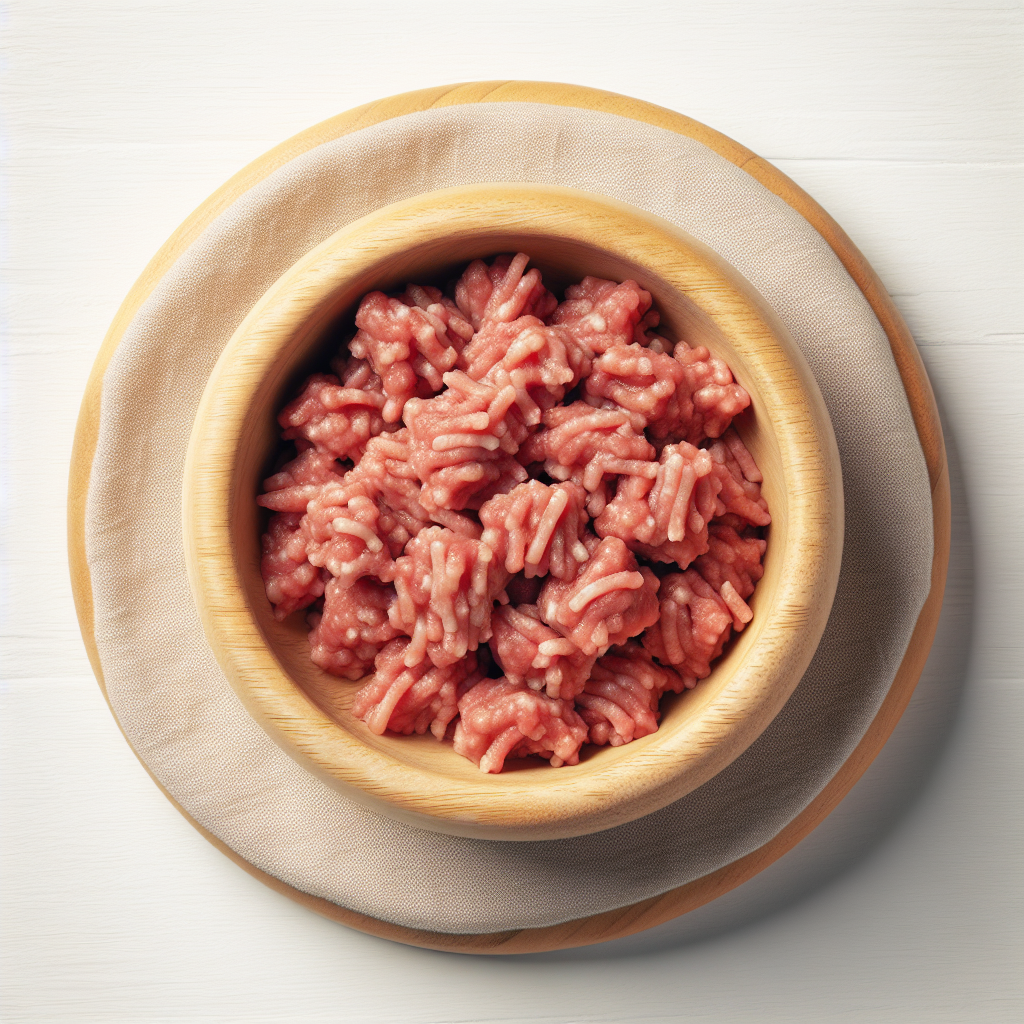
Venison mince has a low choking risk when cooked until soft and served with adequate moisture. The small, crumbly texture of mince breaks apart easily in a baby's mouth, making it safer than larger chunks of meat.
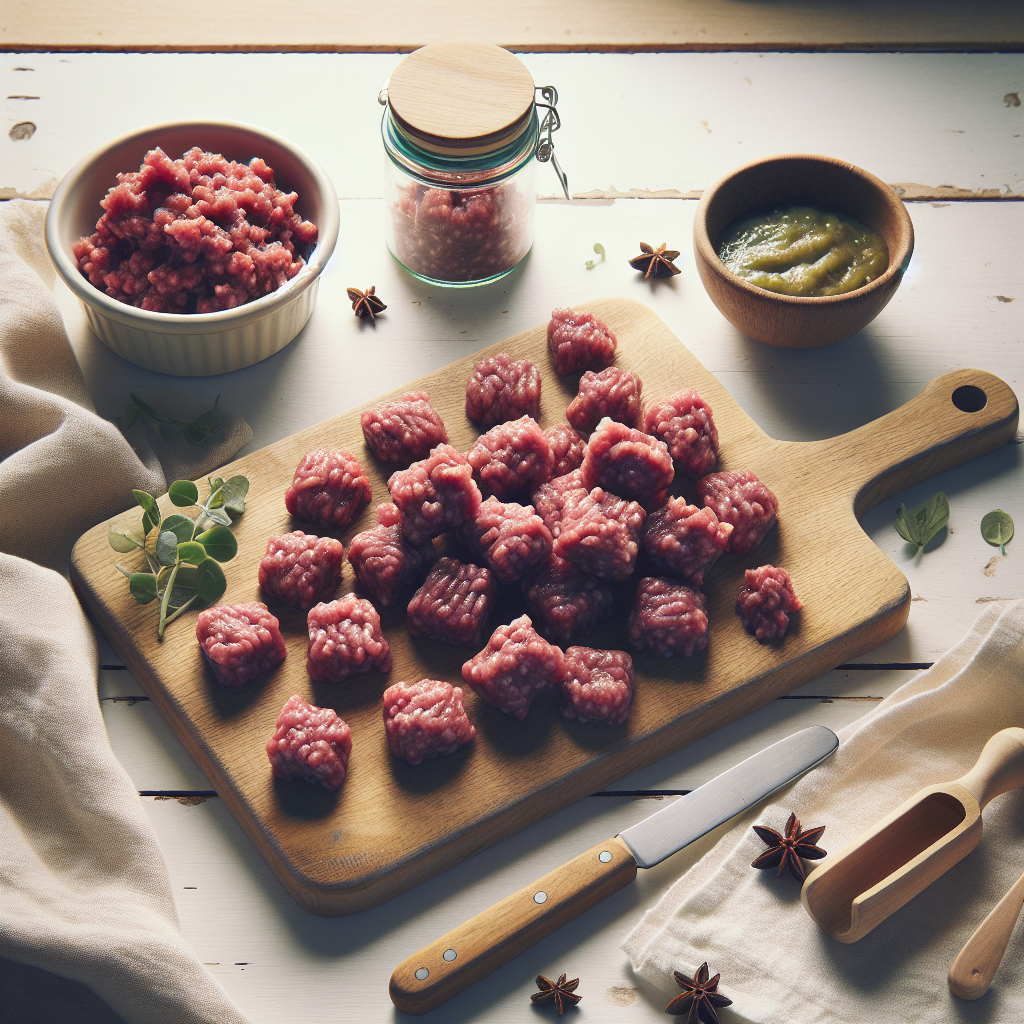
Venison mince can be introduced as soon as your baby is ready to start solid foods, which is typically around 6 months of age. As with all meats, ensure the mince is cooked thoroughly until no pink remains and has a soft, tender texture. Venison is a lean meat, so adding moisture through cooking methods like slow simmering or mixing with sauces helps keep it baby-friendly.
Venison mince is an excellent source of protein, which supports growth, muscle development, and tissue repair in babies. It provides important B vitamins, particularly B12, which is essential for brain development and red blood cell formation. Venison also contains zinc and selenium, minerals that support immune function and overall development.
Venison mince has a low choking risk when cooked until soft and served with adequate moisture. The small, crumbly texture of mince breaks apart easily in a baby's mouth, making it safer than larger chunks of meat.
Venison is not a common allergen and is considered safe for most babies starting solids. In rare cases, children with alpha-gal syndrome may react to red meats like venison, though this condition is uncommon in infants.
Detailed prep guidance tailored to each stage.
Cook venison mince thoroughly in a sauce or broth until very soft and tender, ensuring it stays moist throughout. Form the cooked mince into finger-length logs or patties that are easy for babies to grasp in their palm with some sticking out to gnaw on. You can also serve it pre-loaded on a spoon or mixed into mashed vegetables, allowing your baby to scoop with their hands or self-feed.
Continue to cook venison mince until soft, serving it as small, moist clumps or formed into mini meatballs roughly the size of a chickpea. Babies at this age are developing their pincer grasp, so bite-sized pieces mixed into pasta, rice, or vegetables work well. Keep the mince moist by cooking it in tomato sauce, adding it to casseroles, or mixing with yoghurt or soft cheese.
Serve venison mince in family meals such as bolognese, cottage pie, or tacos, ensuring it remains soft and moist rather than dry or crispy. Offer small, manageable bites that your toddler can pick up with fingers or practise with a fork. Continue to avoid overcooked, dry edges and ensure the mince is well-integrated with sauces or other moist ingredients.