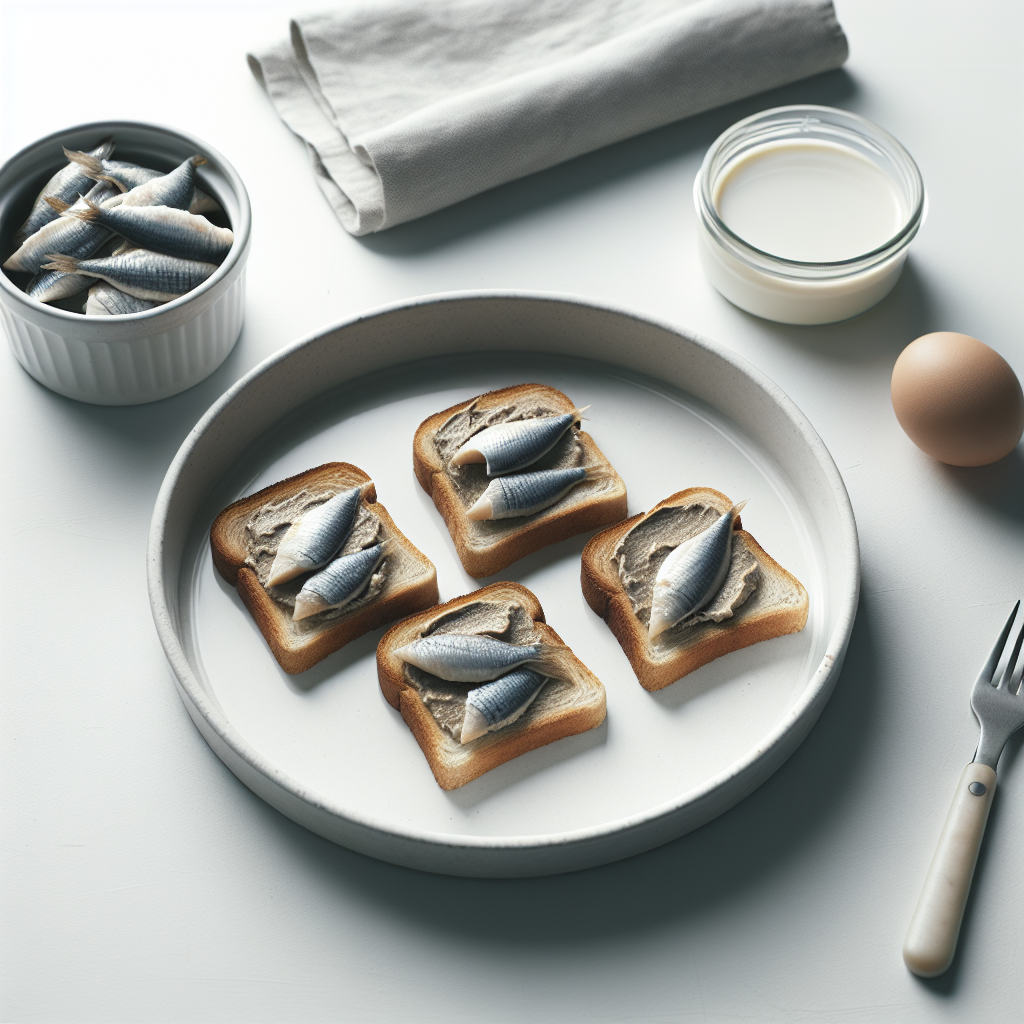
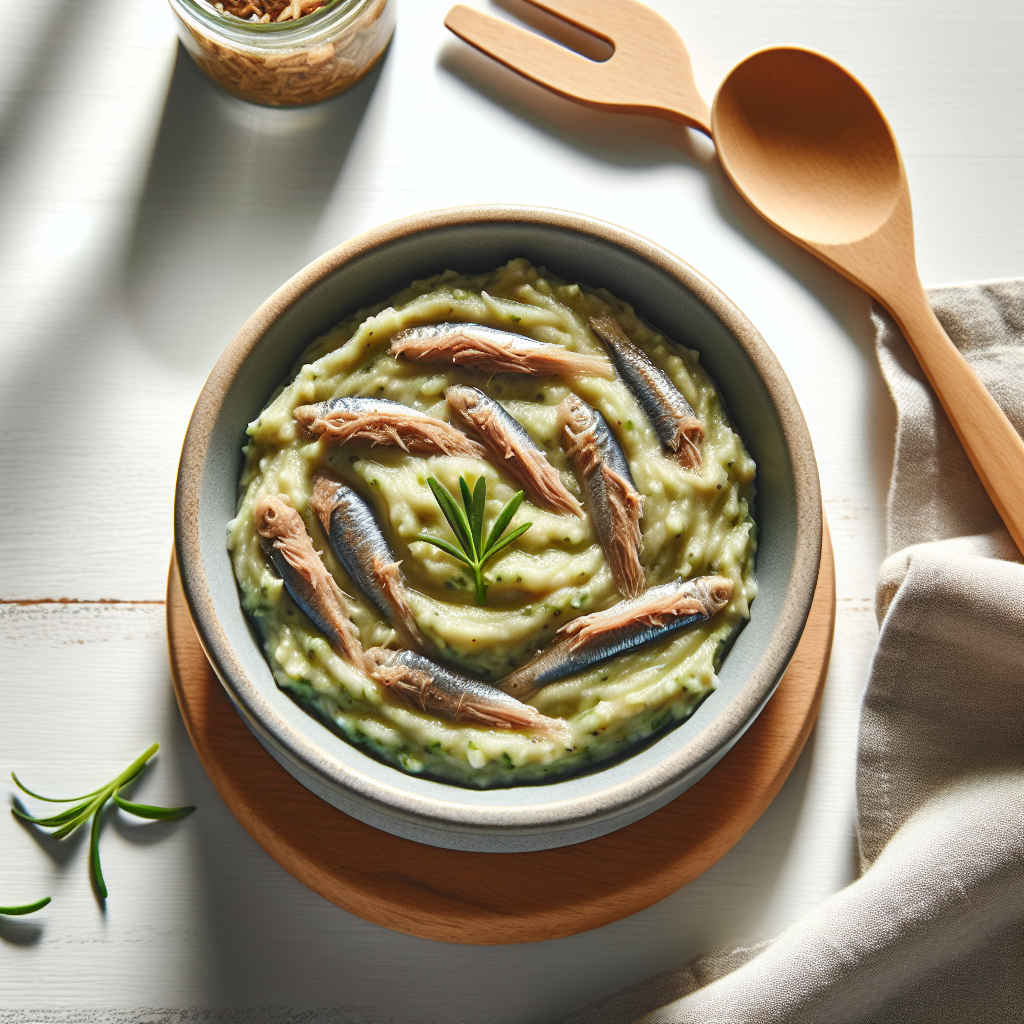
Anchovy paste on toast can be introduced from around six months of age, as soon as your baby is ready to start solid foods. Because anchovies are a common allergen, it's important to introduce them carefully and watch for any signs of a reaction. Toast should be lightly toasted to avoid hard, brittle edges that could break into sharp shards.
Is Anchovy paste on toast healthy for babies?
Anchovy paste is exceptionally rich in iron, which supports healthy red blood cell development and brain growth in babies. It also provides high-quality protein, omega-3 fatty acids that support brain and eye development, and important minerals including calcium and selenium. The savoury, umami flavour can help expand your baby's palate early on.
Lower-risk serving reminders
Anchovy paste on toast presents a low choking risk when prepared appropriately because the paste is smooth and spreadable, softening the toast underneath. The moist texture helps prevent the toast from becoming dry and crumbly in your baby's mouth.
Allergen information
Anchovies are fish, which is a common allergen and one of the top allergens in the UK and US. When introducing anchovy paste for the first time, offer a small amount and watch for signs of an allergic reaction such as hives, vomiting, or difficulty breathing.
Fish
General feeding checklist
Seat baby upright and stable for all meals.
Model slow chewing and allow baby to control pace.
Stop and reset if baby is upset, tired, or over-stuffed.
Readiness signs to check
Baby can sit upright with minimal support during meals.
Hands and mouth coordinate for bringing food to the mouth.
Tongue-thrust reflex is reduced, so food is not immediately pushed out.
Interest in self-feeding and opening mouth for food cues is visible.
Pause and seek advice if
Coughing is persistent or distress does not settle quickly during meals.
You notice repeated vomiting, rash, swelling, wheeze, or breathing changes after a food.
Baby struggles with swallowing progression over multiple meals despite texture adjustments.
There is a known medical condition affecting feeding, growth, or airway safety.
Spread a very thin layer of anchovy paste on lightly toasted bread, ensuring the toast remains soft enough to gum but not so hard it shatters. Cut the toast into wide finger-length strips about the size of two adult fingers, which makes it easy for your baby to grasp with the paste-covered end sticking out of their fist. You can leave the crusts on if they're soft, or remove them if they're tough or hard.
9–11 months
Continue to spread anchovy paste thinly on lightly toasted bread and cut into strips, or offer smaller pieces about the size of a large chickpea as your baby develops their pincer grasp. You can also cut the toast into quarters or triangles to encourage self-feeding with both hands. Check that the toast remains moist from the paste and hasn't dried out or become too crisp.
12–24 months
At this age, you can offer anchovy paste on toast cut into small bite-sized pieces, strips, or even whole fingers of toast for your toddler to bite from. Continue to spread the paste thinly to manage salt intake and keep the toast lightly toasted to avoid hard, sharp edges. You might also let your toddler practice spreading their own paste with supervision, or serve it alongside vegetables like cucumber or tomato.
Common questions about Anchovy paste on toast
Is anchovy paste too salty for babies?
Anchovy paste is high in salt, so use it sparingly and spread it very thinly on toast. Limit how often you offer it and balance it with low-sodium foods throughout the day.
Can I use anchovy paste if my baby hasn't had fish before?
Yes, anchovy paste can be your baby's first fish introduction, but start with a small amount and watch carefully for any allergic reaction. Introduce it on its own without other new allergens.
What type of bread is best for anchovy paste on toast?
Choose whole grain bread that's lightly toasted to maintain a soft, pliable texture rather than crisp and brittle. Avoid bread with seeds, nuts, or hard crusts for younger babies.