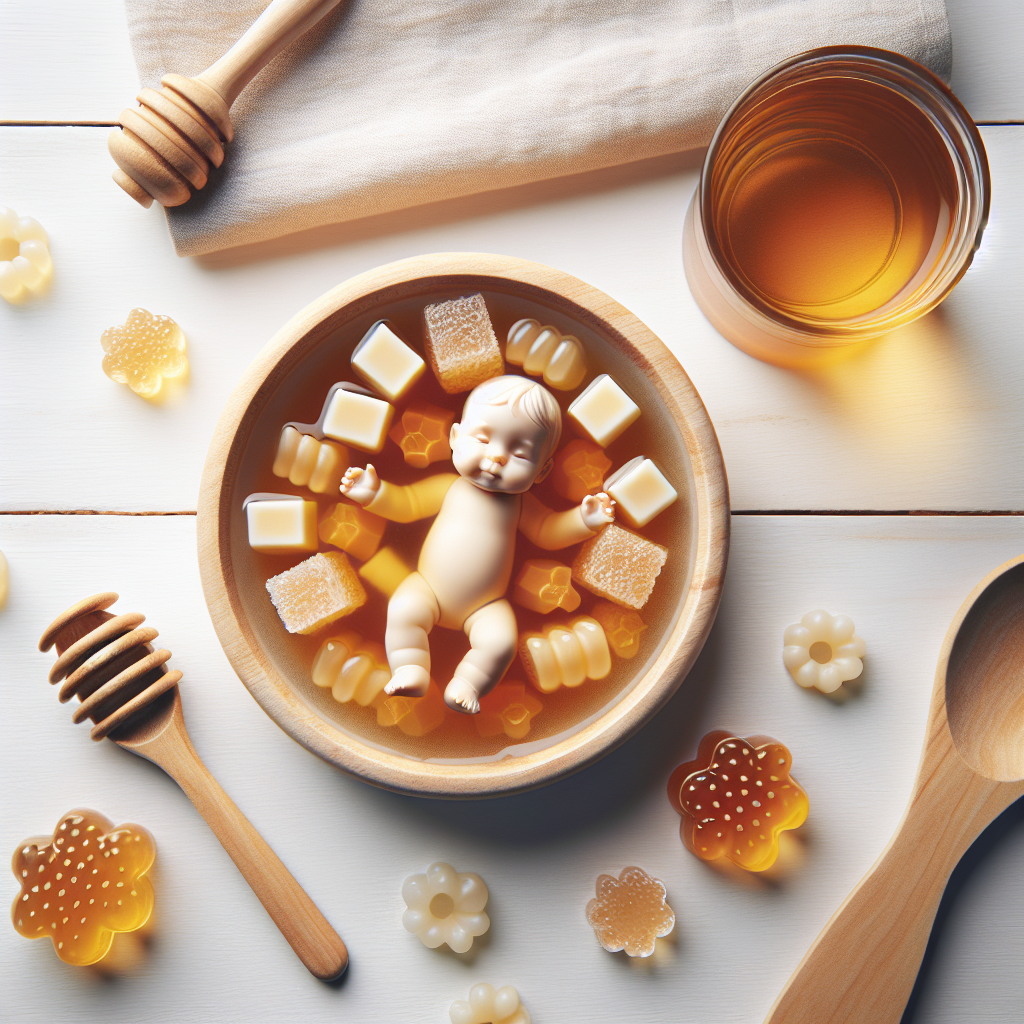
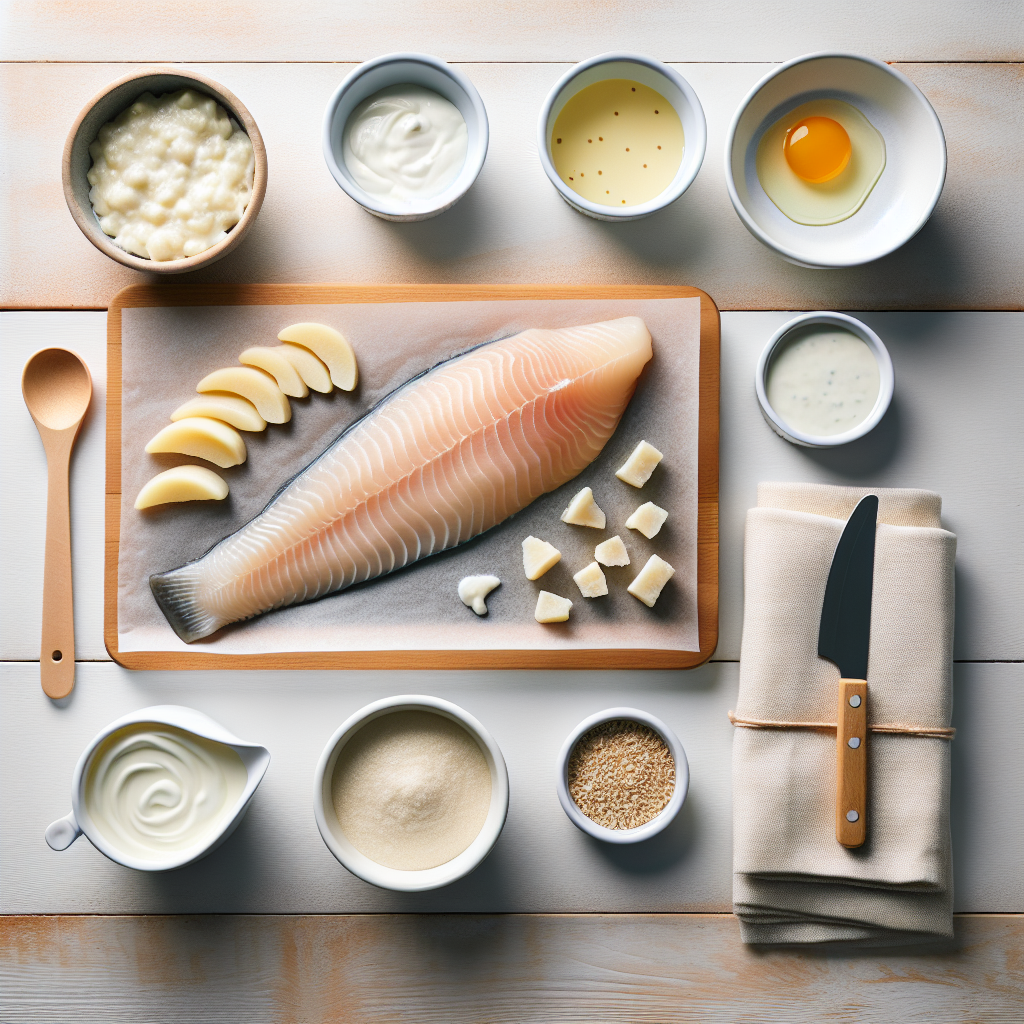
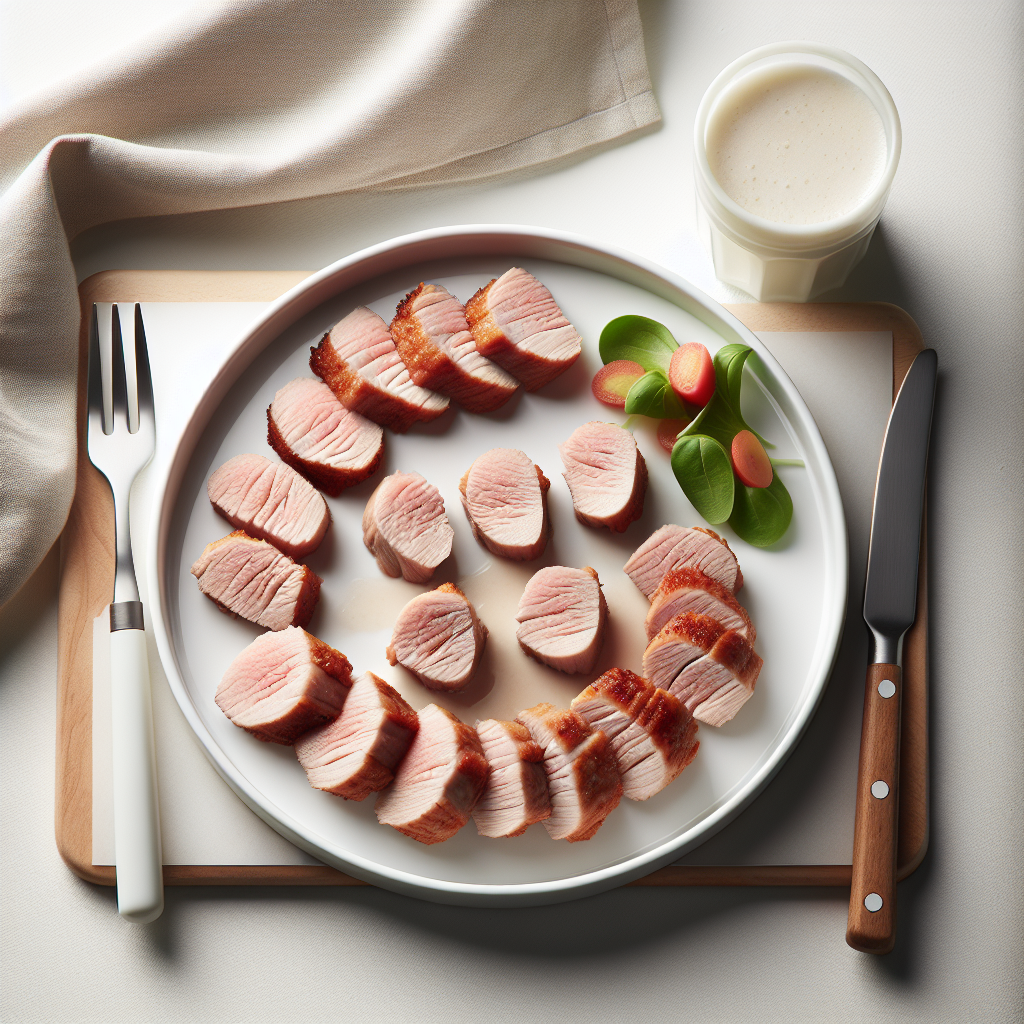
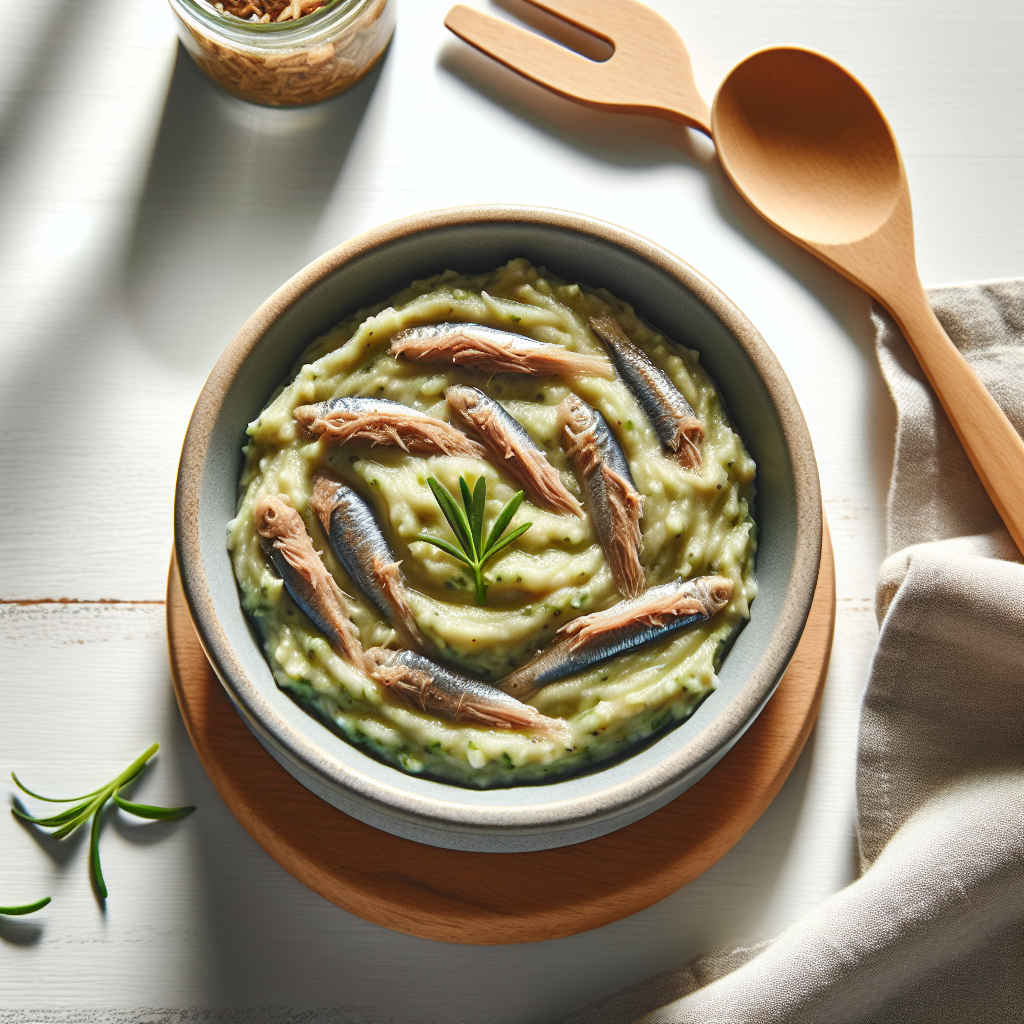
Bone broth jelly can be offered as soon as your baby is ready to start solids, which is typically around 6 months of age. This wobbly, gelatinous food is made by simmering bones until the collagen breaks down and sets into a firm jelly when cooled. Its soft, slippery texture makes it an accessible early food for babies who are just beginning to explore self-feeding.
Is Bone broth jelly healthy for babies?
Bone broth jelly is rich in collagen and gelatin, which support gut health and may aid digestion in young babies. It also provides small amounts of minerals such as calcium, magnesium, and phosphorus, which are drawn out from the bones during the long cooking process. While not a major source of iron, it offers protein and can be a nourishing, easy-to-digest addition to your baby's diet.
Lower-risk serving reminders
Bone broth jelly has a low choking risk because it is soft, slippery, and melts easily in the mouth with saliva and warmth. Its gelatinous texture breaks down quickly without requiring much chewing, making it a safe option for babies at all stages of weaning.
Allergen introduction checklist
Bone broth jelly is not a common allergen and is generally well tolerated by most babies. However, always ensure the broth contains only bones and water or simple vegetables, as adding ingredients like fish stock or shellfish could introduce allergens that need separate consideration.
General feeding checklist
Seat baby upright and stable for all meals.
Model slow chewing and allow baby to control pace.
Stop and reset if baby is upset, tired, or over-stuffed.
Readiness signs to check
Baby can sit upright with minimal support during meals.
Hands and mouth coordinate for bringing food to the mouth.
Tongue-thrust reflex is reduced, so food is not immediately pushed out.
Interest in self-feeding and opening mouth for food cues is visible.
Pause and seek advice if
Coughing is persistent or distress does not settle quickly during meals.
You notice repeated vomiting, rash, swelling, wheeze, or breathing changes after a food.
Baby struggles with swallowing progression over multiple meals despite texture adjustments.
There is a known medical condition affecting feeding, growth, or airway safety.
Cut bone broth jelly into finger-length strips about the width of two adult fingers, so your baby can grasp it easily in their palm with some sticking out to gnaw on. The slippery texture means pieces may slide around, so offering it on a high-friction surface like a silicone mat can help. You can also serve small spoonfuls for your baby to scoop with their hands or load onto a preloaded spoon.
9–11 months
Continue offering bone broth jelly in strips, or try cutting it into small, soft cubes that your baby can practise picking up with their developing pincer grasp. The jelly will be slippery, so expect some mess as they explore. You can also stir small pieces into other foods like mashed vegetables or porridge to add moisture and protein.
12–24 months
Offer bone broth jelly in small cubes or spoonfuls that your toddler can eat with their fingers or practise with a spoon. It can be served cold straight from the fridge or gently warmed to a liquid and used as a nourishing base for soups, stews, or grains. Continue to keep portions small and easy to manage as they refine their self-feeding skills.
Common questions about Bone broth jelly
Can I give my baby bone broth jelly made from chicken or beef bones?
Yes, bone broth jelly made from chicken, beef, lamb, or other animal bones is suitable for babies from 6 months, provided it is cooked thoroughly and free from added salt or strong spices.
How do I know if my bone broth has set into jelly?
Properly made bone broth will set into a firm, wobbly jelly when refrigerated, thanks to the collagen released from the bones during a long simmer. If it remains liquid, it may need to cook longer or use bones with more connective tissue.
Can I freeze bone broth jelly for my baby?
Yes, bone broth jelly freezes well and can be portioned into ice cube trays or small containers for convenience. Thaw in the fridge and warm gently before serving if desired.