Lower-risk serving reminders
Haddock has a low choking risk because it naturally flakes into soft, moist pieces when cooked properly. The tender texture breaks down easily in the mouth, making it manageable for babies who are learning to chew.
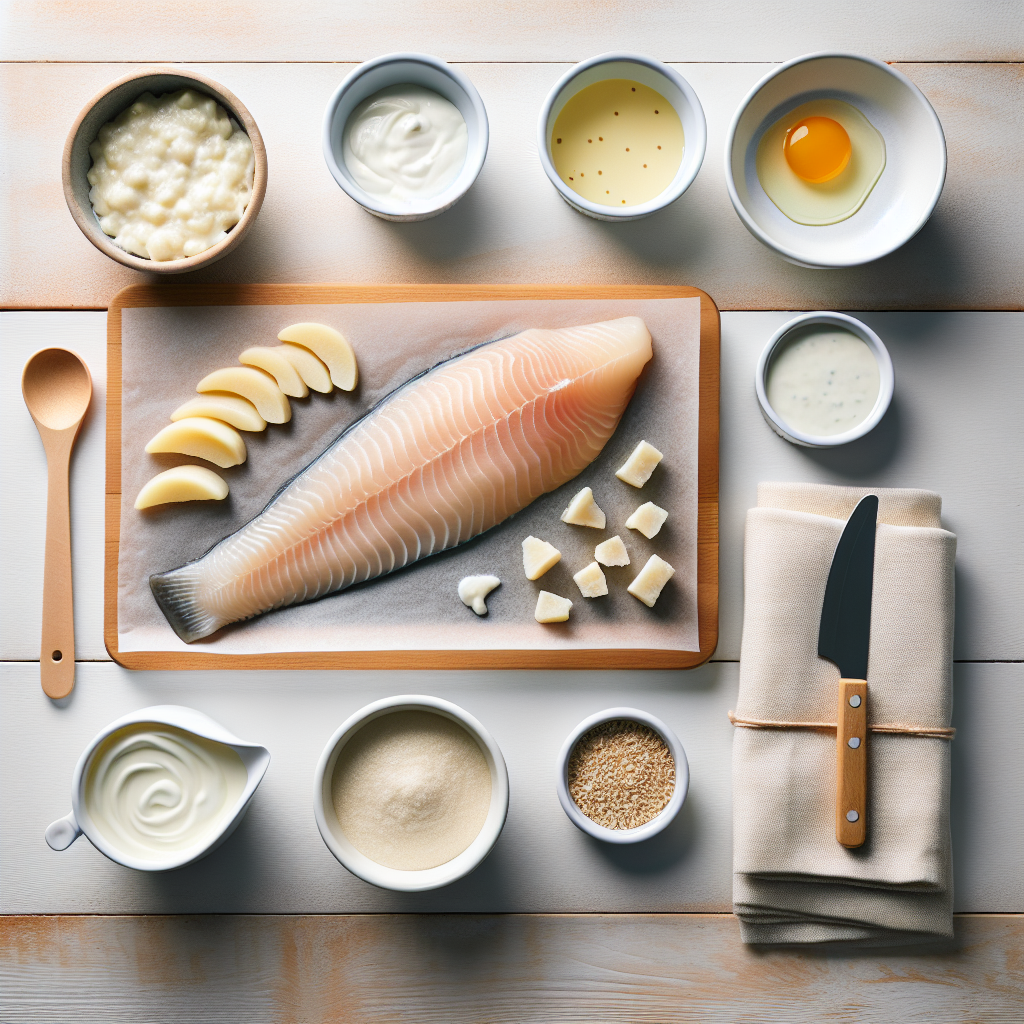
Haddock fillet can be introduced as soon as your baby is ready to start solid foods, which is generally around 6 months of age. As with all fish, ensure the haddock is fully cooked through and carefully check for any small bones before serving. Fish is a nutritious addition to your baby's diet and can be offered once or twice a week as part of a varied weaning journey.
Haddock is an excellent source of high-quality protein, which supports your baby's growth and development. It also provides important nutrients including vitamin B12 for brain development, selenium for immune function, and iodine for thyroid health. While haddock is not high in iron, it contains easily absorbed protein and essential omega-3 fatty acids that support cognitive development.
Haddock has a low choking risk because it naturally flakes into soft, moist pieces when cooked properly. The tender texture breaks down easily in the mouth, making it manageable for babies who are learning to chew.
Haddock is not a common allergen and finned fish like haddock are generally considered lower risk than shellfish. However, fish is still recognised as one of the major allergen groups, so introduce it carefully and watch for any signs of a reaction such as hives, vomiting, or difficulty breathing.
Detailed prep guidance tailored to each stage.
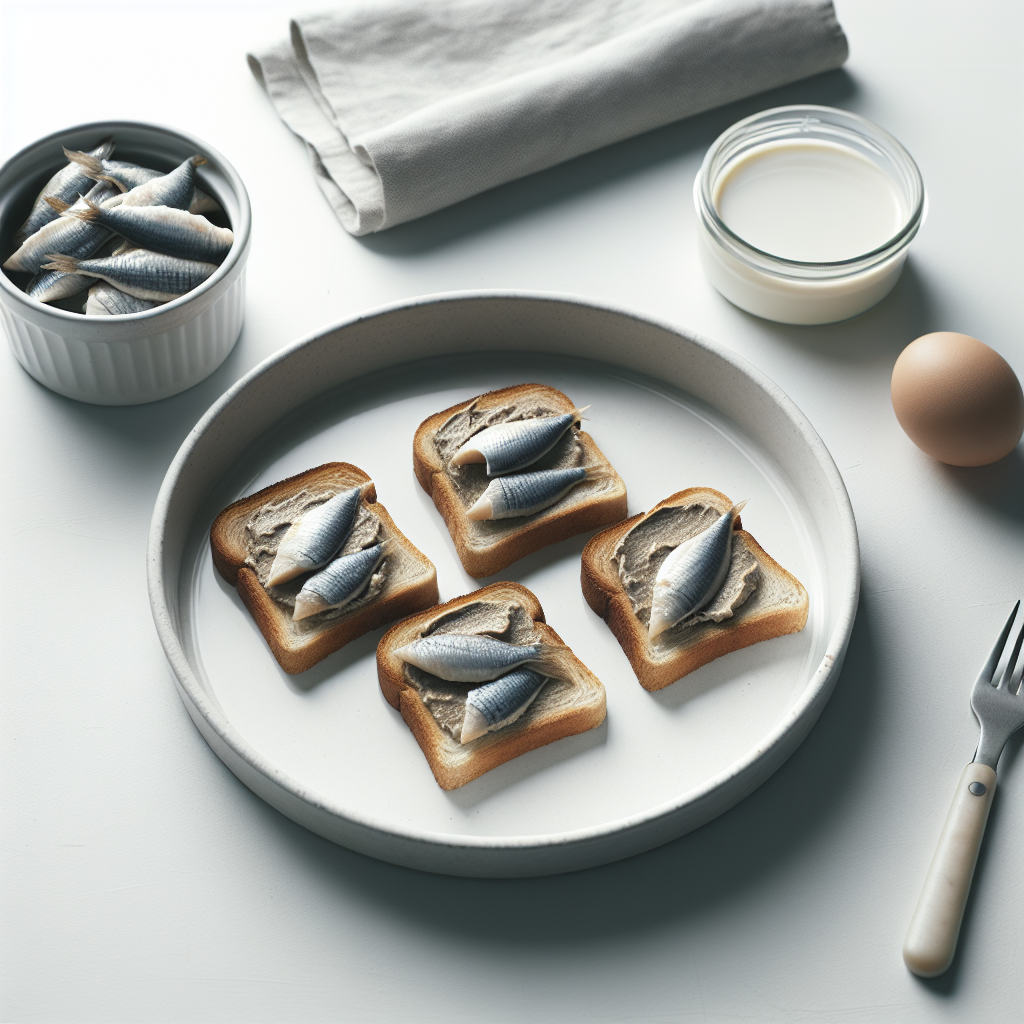
Cook the haddock fillet until it is fully tender and flakes easily with a fork. Remove the skin and check very carefully for any small bones. Offer the fish in finger-length strips that your baby can hold in their palm, or shred the fillet into small flakes and serve on a preloaded spoon or spread onto toast fingers for easier self-feeding.
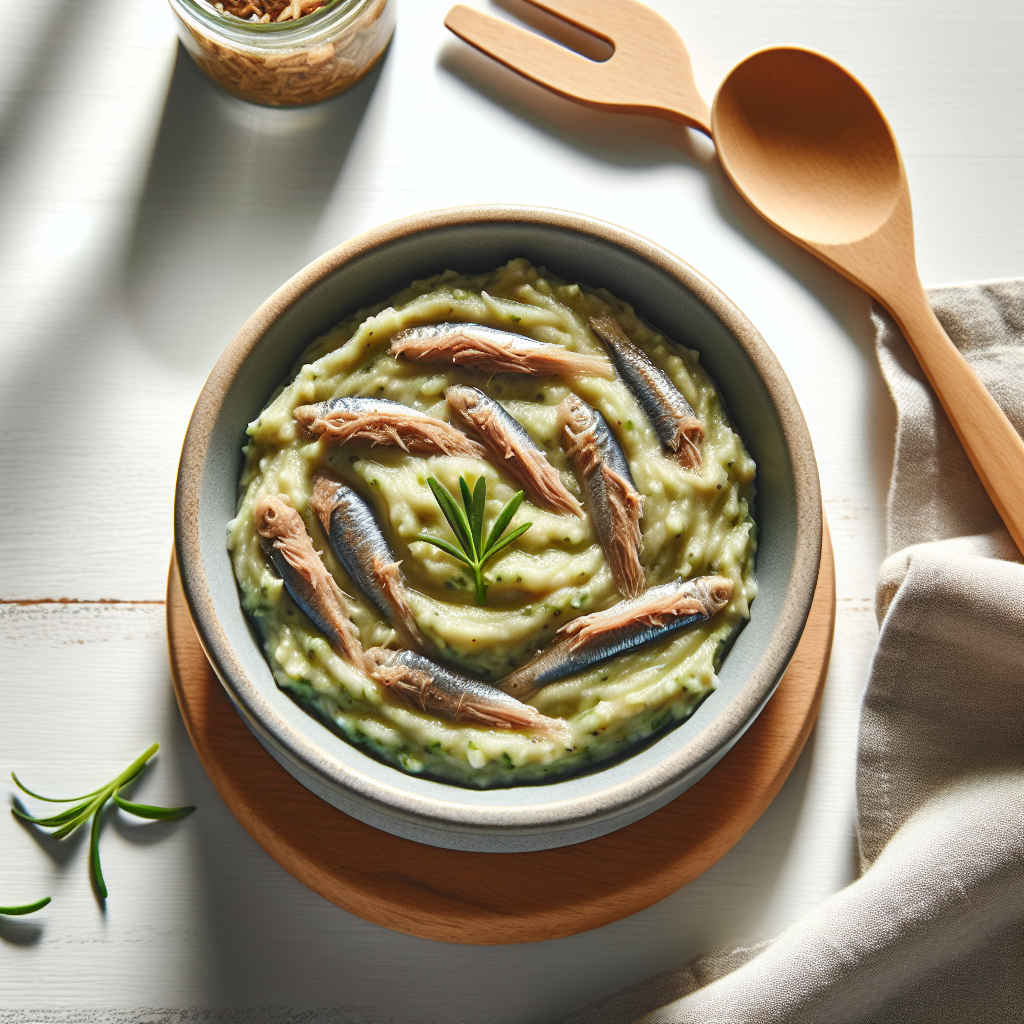
Continue to cook the haddock thoroughly and check for bones before serving. You can offer the fish as flakes, small soft bites, or strips that your baby can pick up with their developing pincer grasp. Serve the haddock alongside vegetables or mixed into soft foods like mashed potato or pasta to keep it moist and easy to manage.
Serve haddock in small bites or strips as part of family meals, ensuring it remains moist and tender. Avoid overcooking, as dry edges can be harder for toddlers to chew and swallow. You can offer the fish plain, flaked into dishes like fishcakes or pasta, or served alongside a simple sauce to add moisture and flavour.