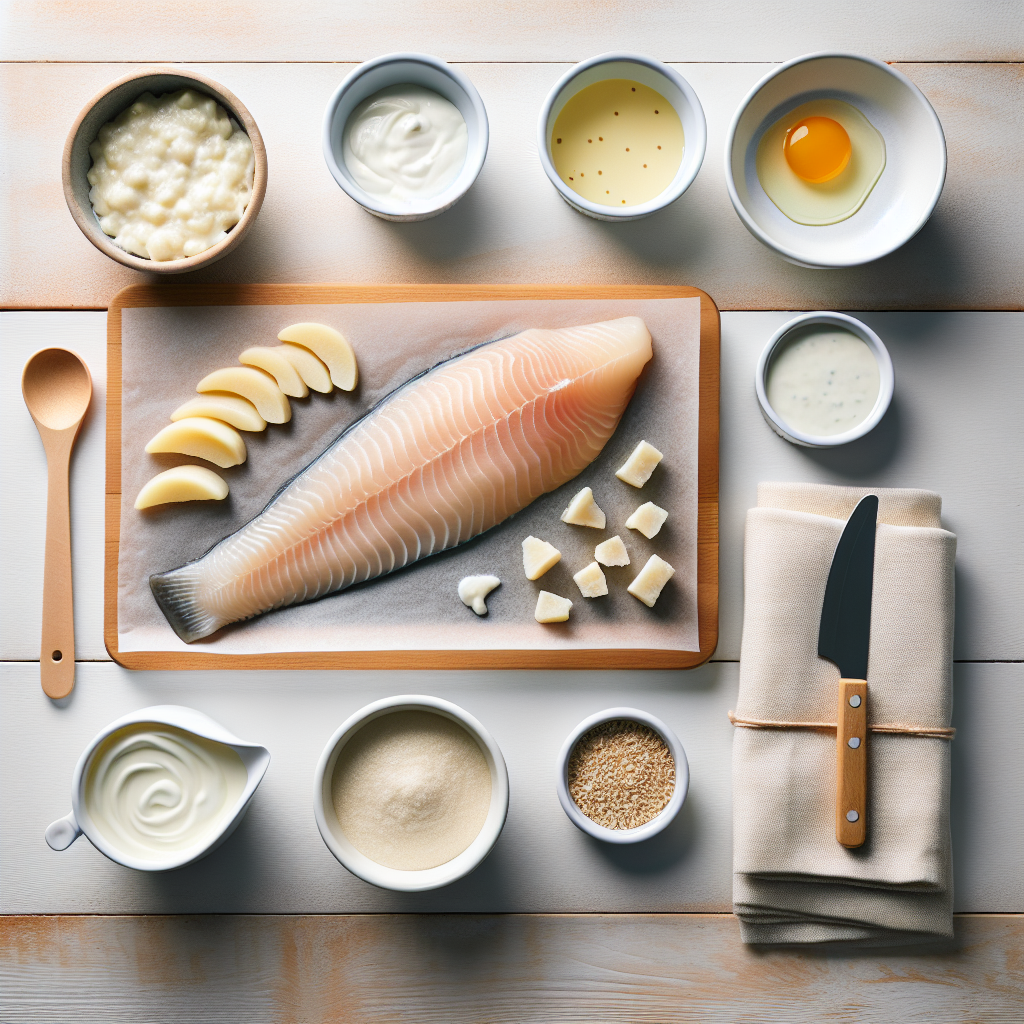
Surimi sticks may be introduced from 6 months of age, once your baby is ready to start solid foods. Because surimi is a processed fish product typically made from white fish like pollock, it should be fully cooked and offered in an age-appropriate size and shape. Always check the ingredient list, as surimi sticks often contain added salt, sugar, and other additives, so they're best served as an occasional food rather than a regular protein source.
Is Surimi stick healthy for babies?
Surimi sticks provide protein, which supports growth and tissue repair in babies, though they are a processed food with lower nutritional value than fresh fish. They typically contain less omega-3 fatty acids and more sodium than whole fish, along with additives and starches used in processing. While surimi can contribute to protein intake, fresh or minimally processed fish options offer more nutritional benefits for growing babies.
Lower-risk serving reminders
Surimi sticks have a soft, slightly springy texture that breaks down easily in the mouth, which makes them a low choking risk when prepared appropriately. Their moist, fibrous structure allows babies to gum and chew them effectively, though it's important to avoid offering pieces that are too firm or rubbery.
Allergen information
Surimi sticks contain fish, which is a common allergen and one of the top allergens globally. When introducing surimi for the first time, offer a small amount and watch for signs of an allergic reaction, such as hives, swelling, vomiting, or difficulty breathing.
Fish
General feeding checklist
Seat baby upright and stable for all meals.
Model slow chewing and allow baby to control pace.
Stop and reset if baby is upset, tired, or over-stuffed.
Readiness signs to check
Baby can sit upright with minimal support during meals.
Hands and mouth coordinate for bringing food to the mouth.
Tongue-thrust reflex is reduced, so food is not immediately pushed out.
Interest in self-feeding and opening mouth for food cues is visible.
Pause and seek advice if
Coughing is persistent or distress does not settle quickly during meals.
You notice repeated vomiting, rash, swelling, wheeze, or breathing changes after a food.
Baby struggles with swallowing progression over multiple meals despite texture adjustments.
There is a known medical condition affecting feeding, growth, or airway safety.
Offer surimi sticks in thick, finger-length strips about the size of two adult fingers pressed together, ensuring they're soft and easy to squash between your fingers. You can leave the stick whole or tear it lengthwise into thinner strips if it feels too thick for your baby to grasp comfortably. Serve at room temperature or gently warmed, and consider pairing with mashed avocado or a vegetable purée to add moisture and nutrients.
9–11 months
As your baby develops their pincer grasp, you can shred or tear surimi sticks into smaller, bite-sized pieces that are easy to pick up between thumb and forefinger. Strips or flakes work well at this stage, and you can mix them into dishes like soft rice, pasta, or mashed vegetables to encourage self-feeding. Continue to check that the texture remains soft and moist to support safe chewing.
12–24 months
Toddlers can manage small bites or short strips of surimi stick, and you can serve it as part of a balanced meal alongside vegetables, grains, or dips like hummus or yoghurt. Keep portions moist to avoid any dry or rubbery edges that could be more difficult to chew. Continue to offer surimi only occasionally, prioritising fresh fish and other whole protein sources in your child's regular diet.
Common questions about Surimi stick
Is surimi the same as fresh fish for babies?
No, surimi is processed fish paste made from white fish mixed with starches, salt, and other additives. While it provides protein, fresh fish offers more omega-3s and fewer additives, making it a more nutritious choice for regular meals.
Can I serve surimi sticks cold from the fridge?
Yes, surimi sticks are pre-cooked and can be served cold, though some babies may prefer them at room temperature. Always ensure the texture remains soft and easy to chew.
How often should I offer surimi to my baby?
Surimi is best offered occasionally rather than regularly, as it's a processed food that's often higher in sodium and lower in beneficial nutrients compared to fresh fish. Prioritise fresh or frozen fish fillets for routine protein servings.