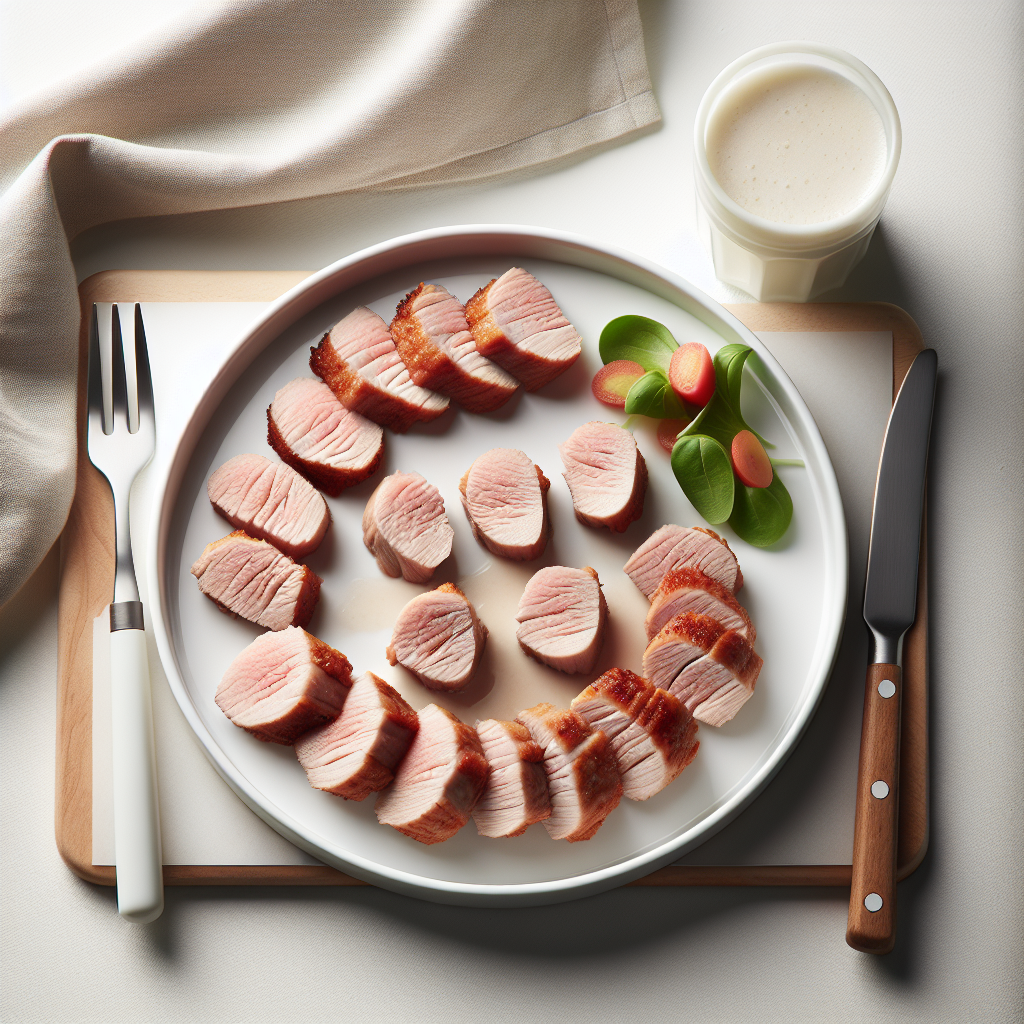
Lower-risk serving reminders
Sole has a low choking risk because it flakes easily into soft, moist pieces when cooked properly. Its naturally tender texture breaks down well in the mouth, making it manageable for babies learning to chew.
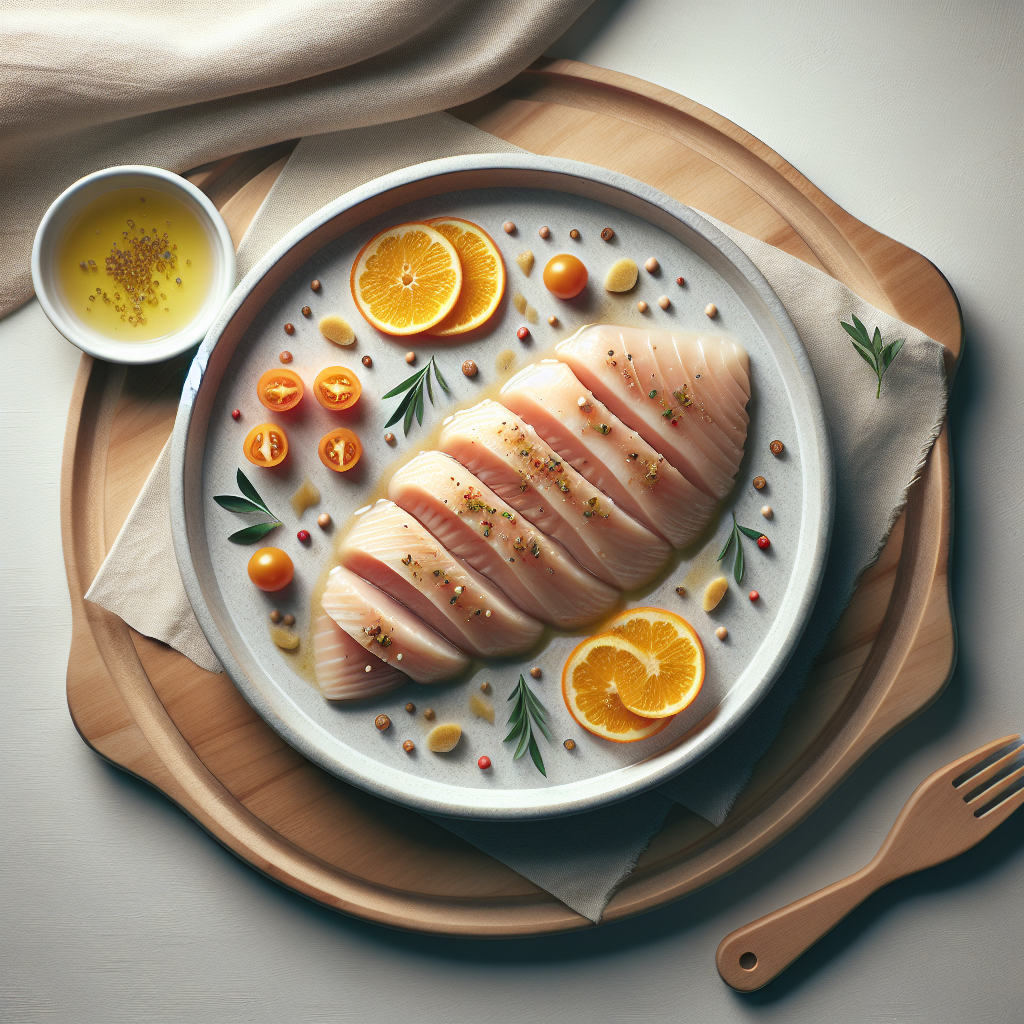
Sole fillet can be introduced as soon as your baby is ready to start solid foods, which is typically around 6 months of age. As fish is a common allergen, it's important to introduce it early and on its own so you can watch for any signs of a reaction. Always ensure the sole is fully cooked through to minimise food safety risks.
Sole fillet is an excellent source of high-quality protein, which supports your baby's growth and muscle development. It also provides essential omega-3 fatty acids that are important for brain and eye development. Sole is a good source of selenium, which helps support a healthy immune system, as well as B vitamins including B12.
Sole has a low choking risk because it flakes easily into soft, moist pieces when cooked properly. Its naturally tender texture breaks down well in the mouth, making it manageable for babies learning to chew.
Sole is a finned fish and therefore a common allergen. When introducing sole for the first time, offer a small amount and watch for signs of an allergic reaction such as hives, swelling, vomiting, or difficulty breathing.
Detailed prep guidance tailored to each stage.
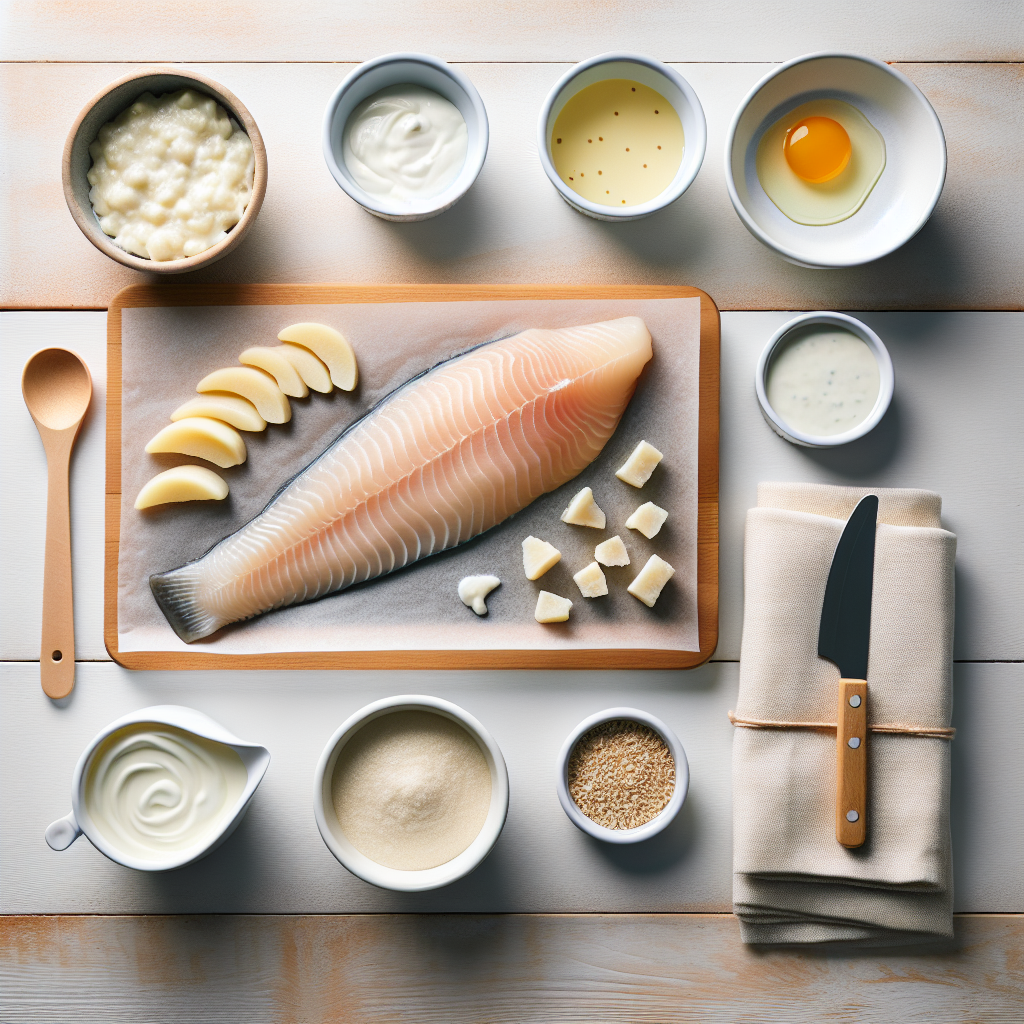
Cook the sole fillet thoroughly by steaming, poaching, or baking until it flakes easily with a fork. Check carefully for bones, then offer it as finger-length strips about the size of two adult fingers placed together, or shred the fillet into moist flakes and serve on a preloaded spoon or as finger food. Keep the fish moist and avoid any crispy skins or dry edges that may be harder to manage.
Continue to cook the sole until tender and check thoroughly for bones. You can now offer small, soft flakes or bite-sized pieces that your baby can pick up with their developing pincer grasp. Strips are still a good option if your baby prefers to hold larger pieces, and you can also mix flaked sole into mashed vegetables or grains to add variety.
Serve sole in small bites, flakes, or strips as part of family meals. Keep the fish moist by cooking gently and avoid overcooked or dry edges which can be harder to chew and swallow. You can now offer sole in more varied preparations such as mixed into pasta, rice dishes, or fish cakes, always checking carefully for any stray bones.