Lower-risk serving reminders
Peeled prawns have a low choking risk when prepared properly because they become soft and tender when fully cooked, and can be easily shredded or cut into manageable pieces that babies can safely gum and swallow.
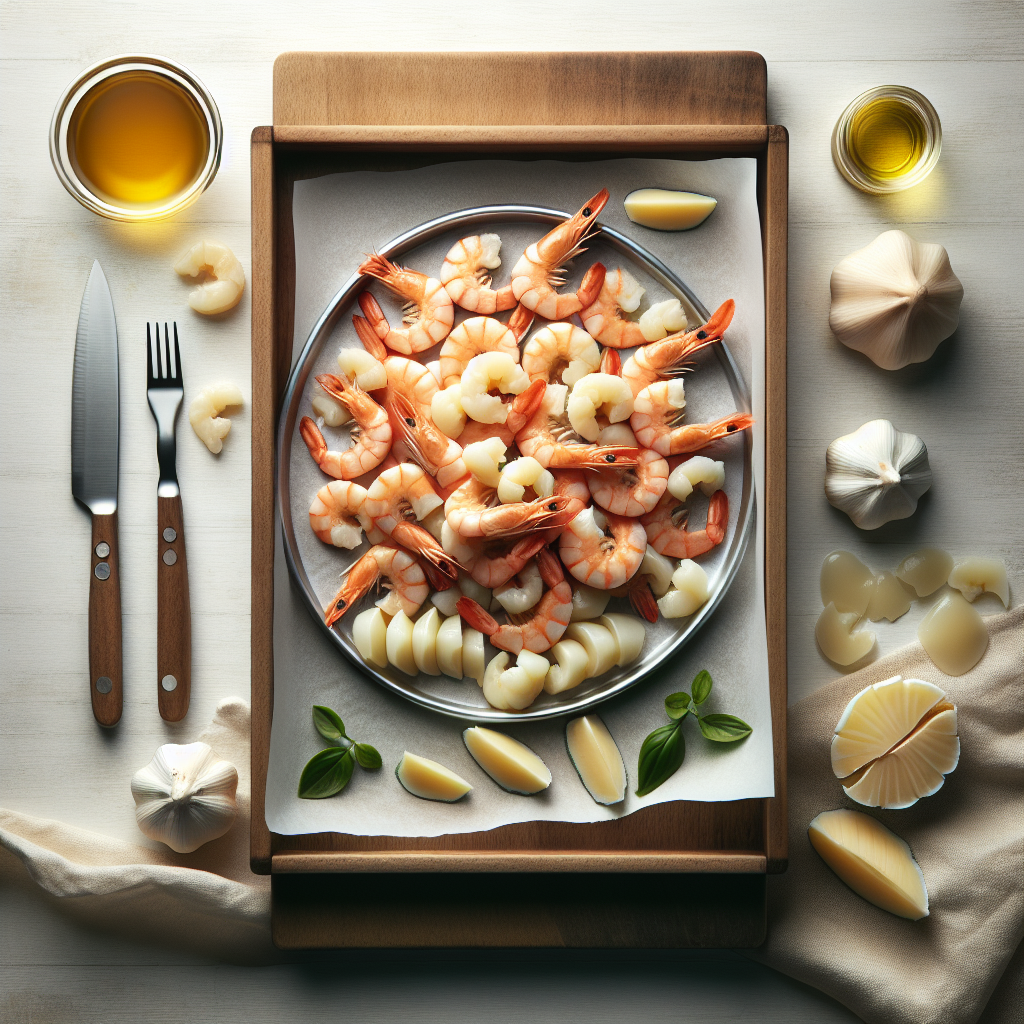
Peeled prawns may be introduced as soon as your baby is ready to start solid foods, which is typically around 6 months of age. Prawns are a common food allergen, so it's important to introduce them carefully and watch for any signs of an allergic reaction. Always ensure prawns are fully cooked until opaque and tender before offering them to your baby.
Peeled prawns are an excellent source of complete protein, which supports your baby's growth and development. They also provide important nutrients including selenium, vitamin B12, and iodine, which support immune function, red blood cell formation, and thyroid health. Prawns are naturally low in fat and contain omega-3 fatty acids that support brain development.
Peeled prawns have a low choking risk when prepared properly because they become soft and tender when fully cooked, and can be easily shredded or cut into manageable pieces that babies can safely gum and swallow.
Prawns are classified as shellfish, which is one of the major food allergens. When introducing prawns for the first time, offer a small amount and watch for signs of a reaction such as hives, swelling, vomiting, or difficulty breathing.
Detailed prep guidance tailored to each stage.
Cook prawns fully until tender and opaque throughout, then allow them to cool. Shred the prawn meat along its natural grain into thin strips, or offer a whole large prawn (about finger-length) that your baby can hold and suck on, ensuring any tough or rubbery outer layer is removed. You can serve shredded prawn mixed into mashed vegetables or porridge, or as finger-length strips for your baby to grasp in their palm with some sticking out to gnaw on.
Continue to cook prawns thoroughly until tender, then offer them as small shreds, flakes, or soft bite-sized pieces about the size of a chickpea. At this stage, babies are developing their pincer grasp, so smaller pieces allow them to practise picking up food between thumb and forefinger. Serve prawns on their own, mixed into pasta or rice dishes, or combined with soft vegetables to add moisture and make them easier to manage.
Offer fully cooked prawns cut into small bites that are easy for your toddler to chew and swallow, or as finger-length strips they can bite pieces from themselves. Keep the prawns moist by serving them with a sauce, mixed into dishes like fried rice or noodles, or alongside vegetables with a little oil or butter. Avoid overcooked prawns, as they can become rubbery and difficult to chew, and trim away any dry or tough edges before serving.