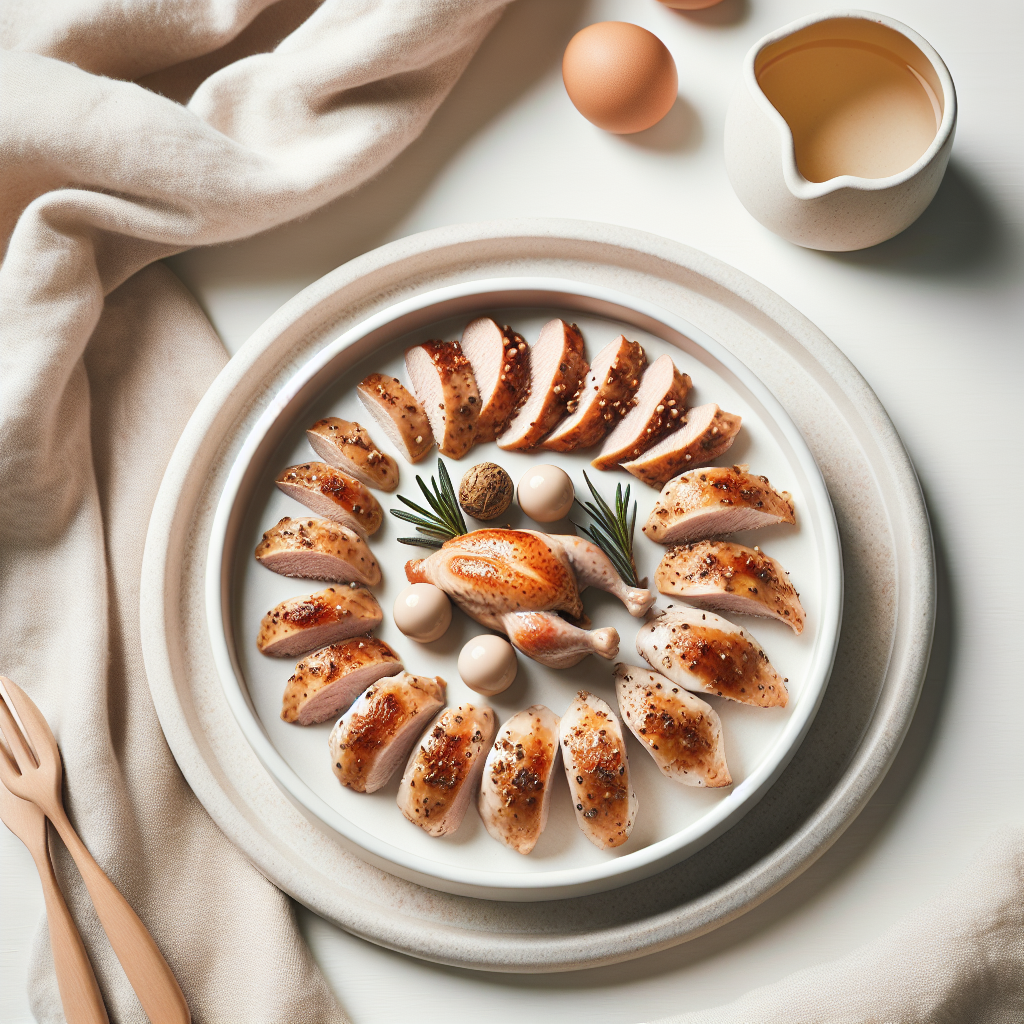
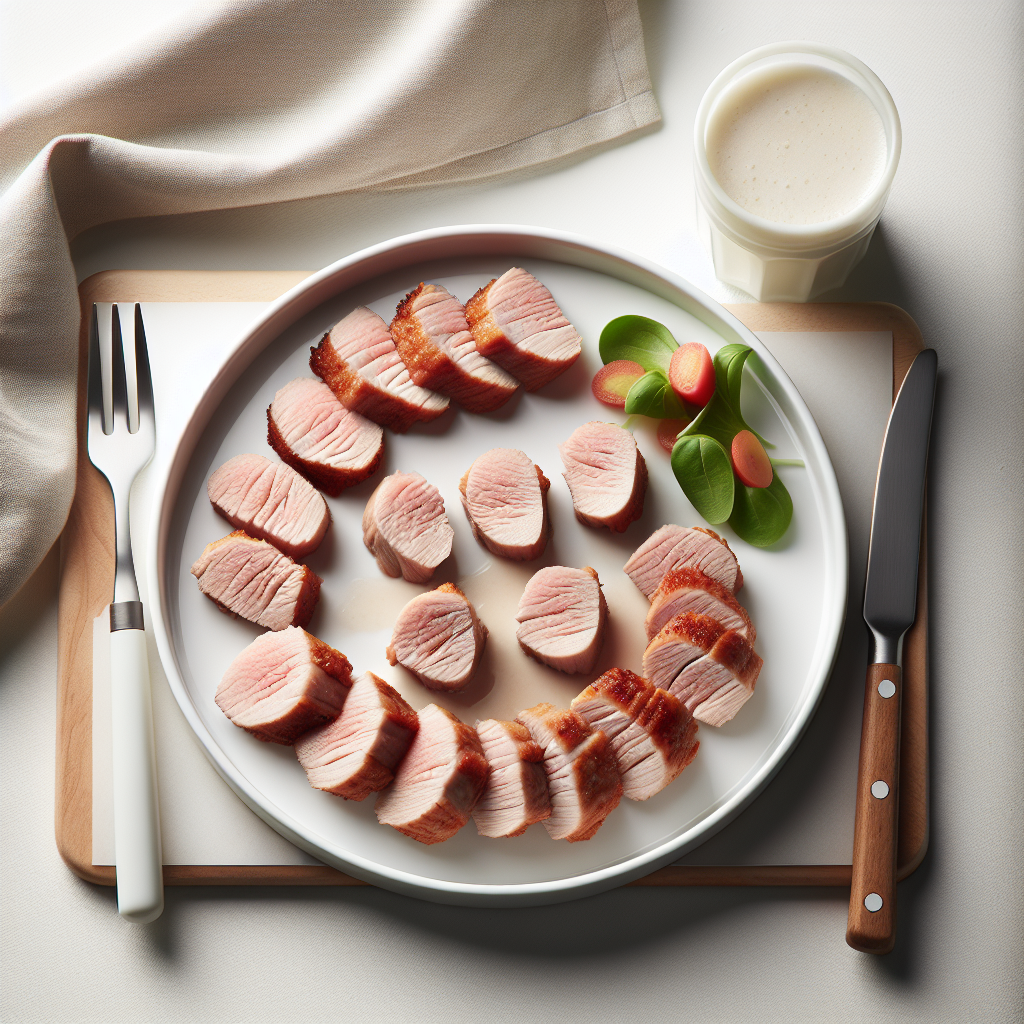
Pheasant may be introduced as soon as your baby is ready to start solids, which is generally around 6 months of age. As with all poultry, pheasant must be cooked thoroughly to an internal temperature of 74°C to ensure it is safe for your baby to eat. Because pheasant can be quite lean and dry if overcooked, take care to cook it gently and keep it moist to make it easier for your baby to manage.
Is Pheasant healthy for babies?
Pheasant is an excellent source of high-quality protein, which supports your baby's growth, muscle development, and immune function. It also provides important B vitamins, including niacin and B6, which help convert food into energy and support brain development. Additionally, pheasant contains minerals such as selenium and zinc, which contribute to healthy immune function and overall development.
Lower-risk serving reminders
Pheasant presents a low choking risk when prepared appropriately, as the meat can be shredded or cut into tender, manageable pieces that are easy for babies to gum and swallow. The key is ensuring the meat is cooked until very tender and served in age-appropriate sizes, avoiding any tough, dry, or stringy bits.
Allergen introduction checklist
Pheasant is not a common food allergen and does not typically cause allergic reactions in babies. As with any new food, introduce pheasant on its own at first and watch for any signs of a reaction, though these are rare with poultry.
General feeding checklist
Seat baby upright and stable for all meals.
Model slow chewing and allow baby to control pace.
Stop and reset if baby is upset, tired, or over-stuffed.
Readiness signs to check
Baby can sit upright with minimal support during meals.
Hands and mouth coordinate for bringing food to the mouth.
Tongue-thrust reflex is reduced, so food is not immediately pushed out.
Interest in self-feeding and opening mouth for food cues is visible.
Pause and seek advice if
Coughing is persistent or distress does not settle quickly during meals.
You notice repeated vomiting, rash, swelling, wheeze, or breathing changes after a food.
Baby struggles with swallowing progression over multiple meals despite texture adjustments.
There is a known medical condition affecting feeding, growth, or airway safety.
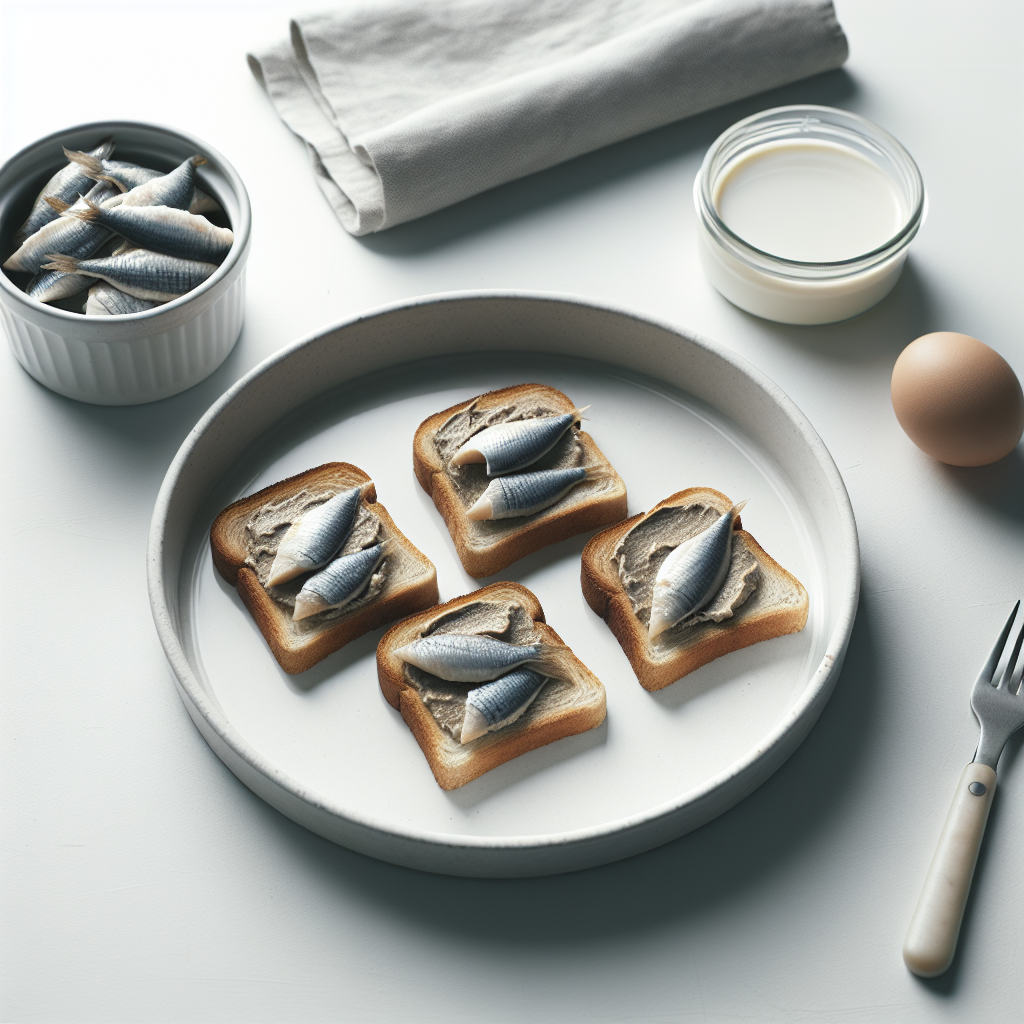
Cook pheasant until very tender, then shred the meat finely or offer it in finger-length strips about the width of two adult fingers, ensuring all bones are completely removed. The meat should be moist and easy to squash between your fingers. You might serve shredded pheasant mixed into mashed sweet potato or spread thinly on a strip of toast, or offer a tender strip on its own for your baby to gnaw and suck on.
9–11 months
Continue to offer pheasant shredded or in small, soft, bite-sized pieces that your baby can pick up with their developing pincer grasp. Ensure the meat remains moist and tender, and check thoroughly for any bones before serving. You can mix shredded pheasant into pasta, grains, or vegetables, or offer small flakes alongside other finger foods for your baby to self-feed.
12–24 months
Serve pheasant in small, tender bites or strips as part of family meals, continuing to keep portions moist and checking carefully for bones. Avoid any dry or overcooked edges, as these can be difficult to chew and swallow. Pheasant can be served with vegetables, grains, or in a simple stew or casserole to help maintain moisture and make it easier for your toddler to manage.
Common questions about Pheasant
Is pheasant safe for babies under one year old?
Yes, pheasant is safe for babies from 6 months as long as it is cooked thoroughly to 74°C and prepared in an age-appropriate way, such as shredded or in tender strips.
How do I keep pheasant moist for my baby?
Cook pheasant gently using methods like braising, slow roasting, or poaching, and serve it with a little of the cooking liquid, gravy, or a small amount of yoghurt or mashed vegetables to add moisture.
Does pheasant contain bones that could be dangerous?
Yes, pheasant contains small bones that must be removed completely before serving to your baby. Always check the meat carefully, as even small bone fragments can pose a choking hazard.