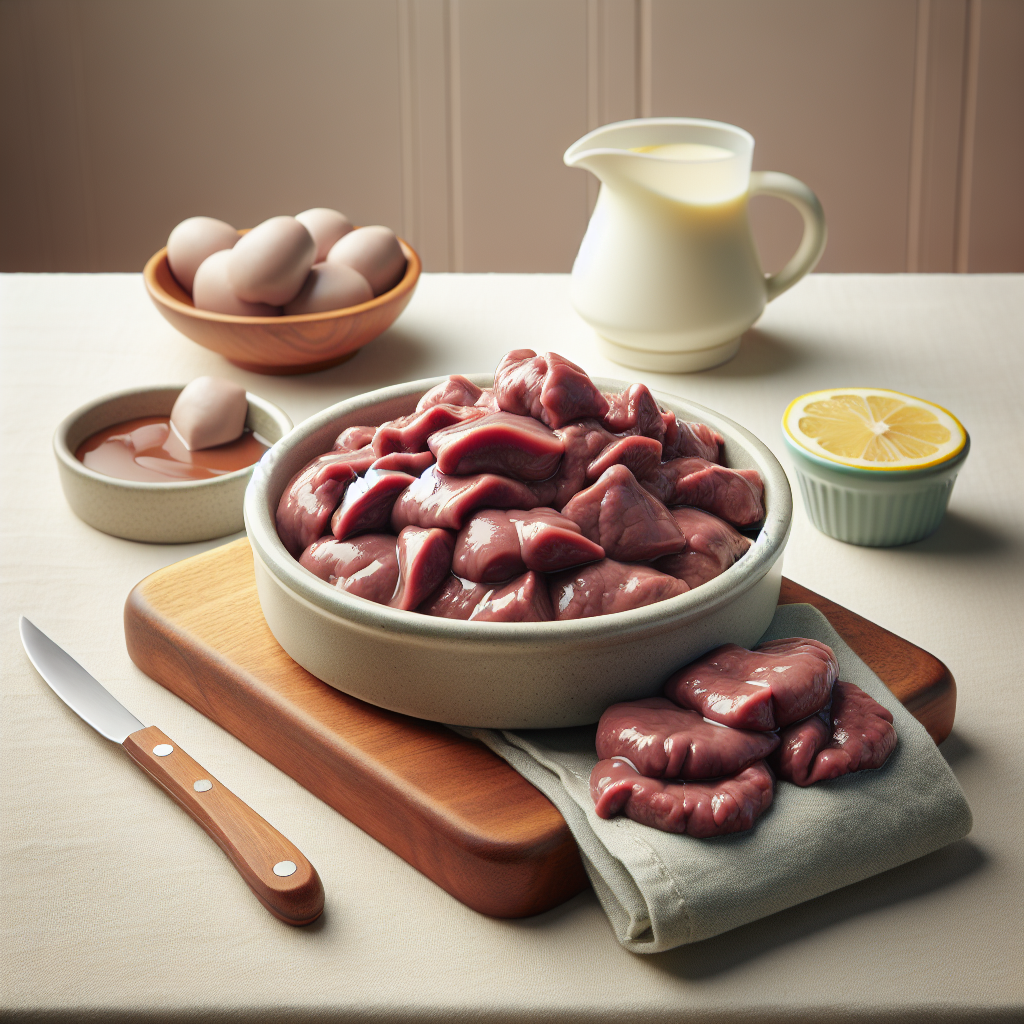
Lamb liver can be introduced as soon as your baby is ready to start solids, which is typically around 6 months of age. Because liver is exceptionally rich in iron and vitamin A, it's best served in small portions once or twice a week rather than daily. Always ensure lamb liver is cooked thoroughly until no pink remains and the internal temperature reaches a safe level.
Is Liver lamb healthy for babies?
Lamb liver is one of the most nutrient-dense foods you can offer your baby, providing exceptional amounts of iron, vitamin A, B vitamins including B12 and folate, and high-quality protein. The iron in liver is haem iron, which is absorbed more easily by the body than the iron found in plant foods, making it particularly valuable for babies who need iron to support growth and brain development. Liver also provides zinc and choline, both important for immune function and cognitive health.
Lower-risk serving reminders
Lamb liver has a low choking risk because it becomes soft and tender when fully cooked, breaking apart easily in the mouth. Its naturally moist texture helps babies manage it safely, especially when offered in appropriately sized pieces for their age.
Allergen introduction checklist
Lamb liver is not classified as a common allergen. As with any new food, introduce lamb liver on its own and watch for signs of an adverse reaction, though allergic reactions to lamb are rare.
General feeding checklist
Seat baby upright and stable for all meals.
Model slow chewing and allow baby to control pace.
Stop and reset if baby is upset, tired, or over-stuffed.
Readiness signs to check
Baby can sit upright with minimal support during meals.
Hands and mouth coordinate for bringing food to the mouth.
Tongue-thrust reflex is reduced, so food is not immediately pushed out.
Interest in self-feeding and opening mouth for food cues is visible.
Pause and seek advice if
Coughing is persistent or distress does not settle quickly during meals.
You notice repeated vomiting, rash, swelling, wheeze, or breathing changes after a food.
Baby struggles with swallowing progression over multiple meals despite texture adjustments.
There is a known medical condition affecting feeding, growth, or airway safety.
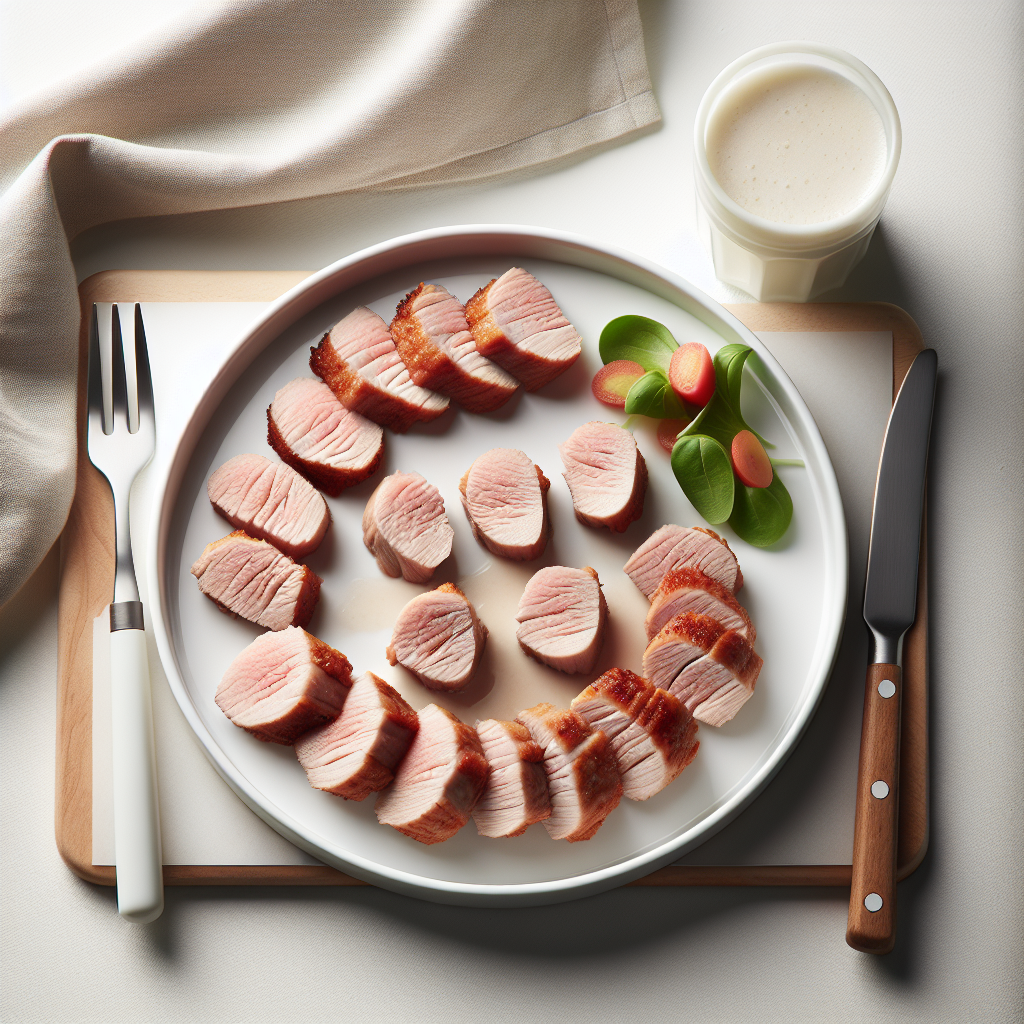
Cook lamb liver thoroughly until no pink remains and it's tender enough to shred easily with a fork. Offer shredded pieces or finger-length strips about the size of two adult fingers placed together, ensuring any tough outer membrane is removed. You can serve it on its own, mixed into mashed vegetables for easier handling, or alongside soft grains like porridge to help baby grasp it more easily.
9–11 months
Continue to cook lamb liver until fully tender, then offer it in smaller, bite-sized pieces or shreds that your baby can pick up with a developing pincer grasp. You can also serve slightly larger strips for biting practice, or mix shredded liver into dishes like pasta, rice, or mashed root vegetables. Keep the texture moist and avoid overcooked, dry edges that become harder to chew.
12–24 months
Serve lamb liver in small, soft bites or thin strips that are easy for toddlers to chew and swallow. Continue to keep portions moist by cooking gently and avoiding dry or overcooked pieces, which can be more challenging to manage. Lamb liver works well mixed into family meals like shepherd's pie, Bolognese-style sauces, or served alongside vegetables and grains, keeping portion sizes modest due to the high nutrient density.
Common questions about Liver lamb
How often can I give my baby lamb liver?
Due to its very high vitamin A content, lamb liver is best offered once or twice a week in small portions rather than daily. A serving of about 15–30 grams once or twice weekly provides excellent nutrition without risking excess vitamin A.
Does lamb liver need to be organic for babies?
Organic lamb liver is not necessary, though some parents prefer it. Whether conventional or organic, always ensure the liver is from a reputable source and cooked thoroughly until no pink remains.
What's the best way to cook lamb liver for baby-led weaning?
Gently braising, stewing, or pan-frying lamb liver until fully cooked creates a tender texture that's easiest for babies to manage. Avoid overcooking, as this can make liver tough and grainy, and keep it moist by cooking in a little liquid or fat.