Kidney can be introduced as soon as your baby is ready to start solid foods, which is typically around 6 months of age. Because kidney has a strong flavour and dense texture, many parents find it helpful to introduce it gradually, mixed with familiar foods or cooked in mild sauces. Always ensure kidney is cooked thoroughly until very tender before offering it to your baby.
Is Kidney diced healthy for babies?
Kidney is exceptionally rich in iron, providing highly absorbable haem iron that supports healthy blood development and brain growth during infancy. It is also an excellent source of complete protein, B vitamins including B12 and folate, and essential minerals like zinc and selenium. These nutrients work together to support your baby's immune system, energy levels, and overall growth.
Lower-risk serving reminders
Kidney has a low choking risk when prepared correctly because it becomes soft and tender when fully cooked, breaking down easily in the mouth. The key is to avoid undercooked or tough pieces, and to cut or shred the kidney into age-appropriate sizes that are easy for your baby to manage.
Allergen introduction checklist
Kidney is not a common allergen and does not appear on the list of major food allergens in the UK or US. As with any new food, introduce kidney on its own at first and watch for any signs of an adverse reaction, though allergies to offal are rare.
General feeding checklist
Seat baby upright and stable for all meals.
Model slow chewing and allow baby to control pace.
Stop and reset if baby is upset, tired, or over-stuffed.
Readiness signs to check
Baby can sit upright with minimal support during meals.
Hands and mouth coordinate for bringing food to the mouth.
Tongue-thrust reflex is reduced, so food is not immediately pushed out.
Interest in self-feeding and opening mouth for food cues is visible.
Pause and seek advice if
Coughing is persistent or distress does not settle quickly during meals.
You notice repeated vomiting, rash, swelling, wheeze, or breathing changes after a food.
Baby struggles with swallowing progression over multiple meals despite texture adjustments.
There is a known medical condition affecting feeding, growth, or airway safety.
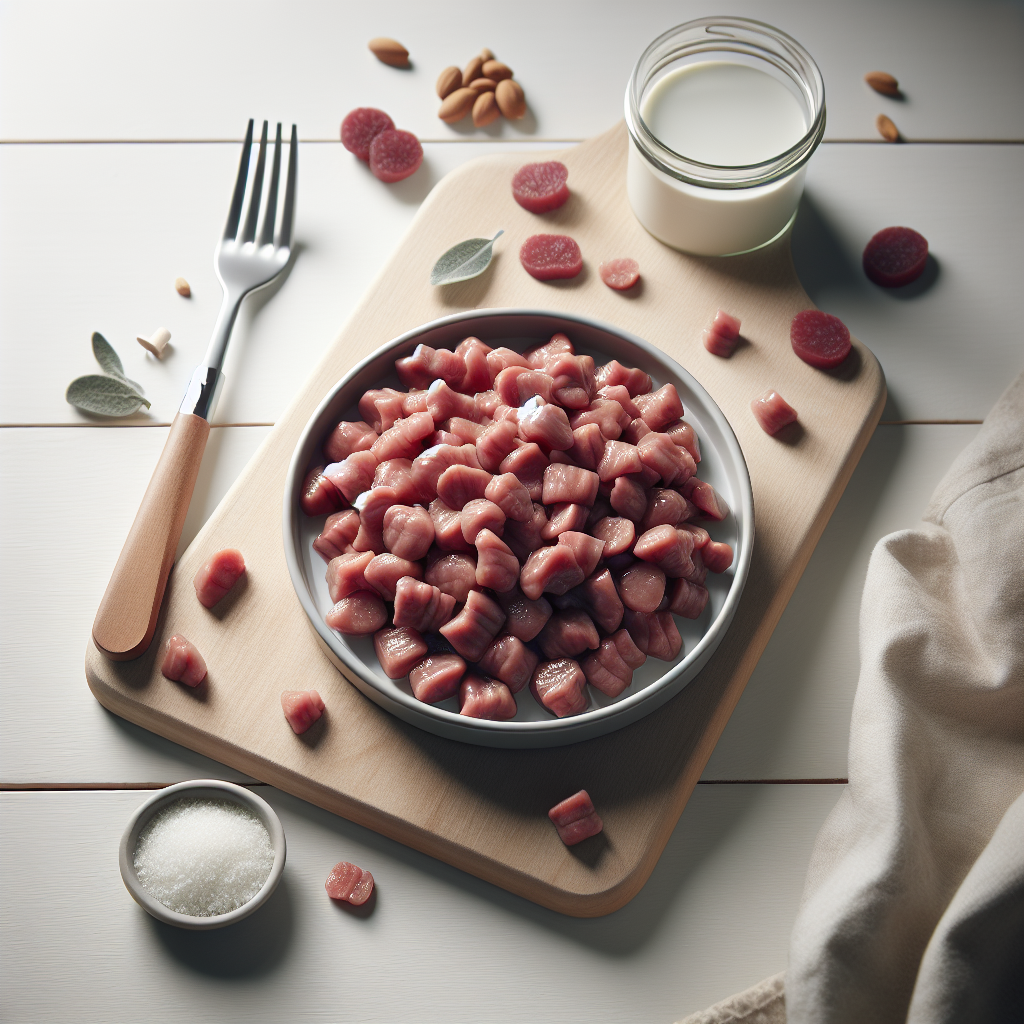
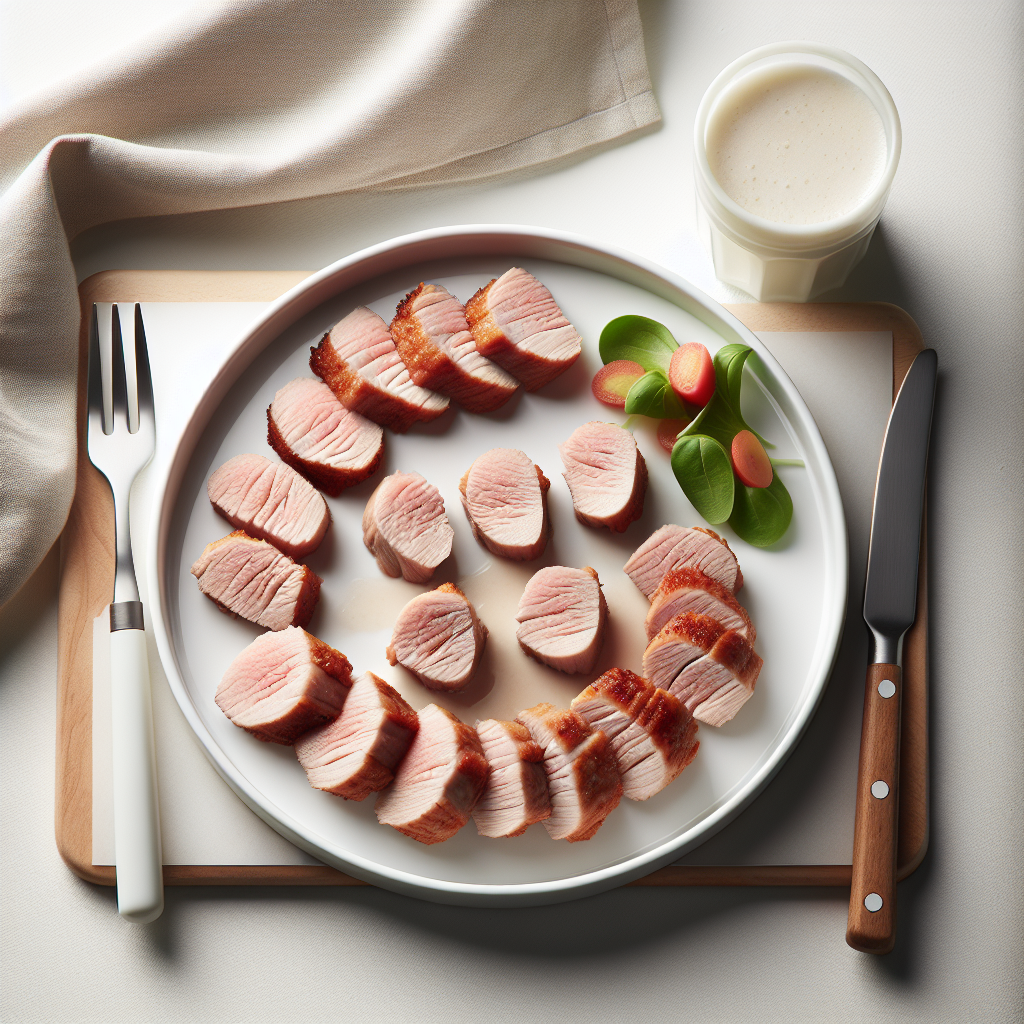
Cook kidney thoroughly in water, stock, or a mild sauce until very tender and easy to mash with a fork. Remove any tough outer membrane or fatty tissue, then shred the kidney into fine pieces or offer it in finger-length strips that your baby can grasp easily. You can mix shredded kidney into mashed vegetables or soft grains like porridge to introduce the flavour gently.
9–11 months
Continue to cook kidney until very tender, then cut it into small, soft, bite-sized pieces about the size of a chickpea or slightly smaller. You can also continue to offer shredded kidney or thin flakes that your baby can pick up with their developing pincer grasp. Serve kidney in stews, mixed with pasta, or alongside soft cooked vegetables to keep it moist and easy to chew.
12–24 months
Offer kidney in small, tender bites or thin strips as part of family meals, ensuring it remains moist and well-cooked. Avoid any dry or overcooked edges that can become tough and difficult to chew. Continue to serve kidney in sauces, casseroles, or mixed dishes to maintain moisture and make it easier for your toddler to manage.
Common questions about Kidney diced
Does kidney need to be soaked before cooking for babies?
Soaking kidney in milk or water for 30 minutes to an hour before cooking can help mellow its strong flavour and remove any bitterness, which may make it more palatable for babies. Rinse thoroughly after soaking and before cooking.
Which type of kidney is best for babies?
Lamb's kidney tends to be milder and more tender than beef or pork kidney, making it a good choice for babies. Any kidney is nutritious as long as it is fresh, properly cleaned, and cooked until very tender.
How do I reduce the strong taste of kidney for my baby?
Cooking kidney in a mild tomato-based sauce, mixing it with root vegetables, or combining it with familiar grains can help balance the strong flavour. Slow cooking methods also help tenderise the meat and mellow the taste.