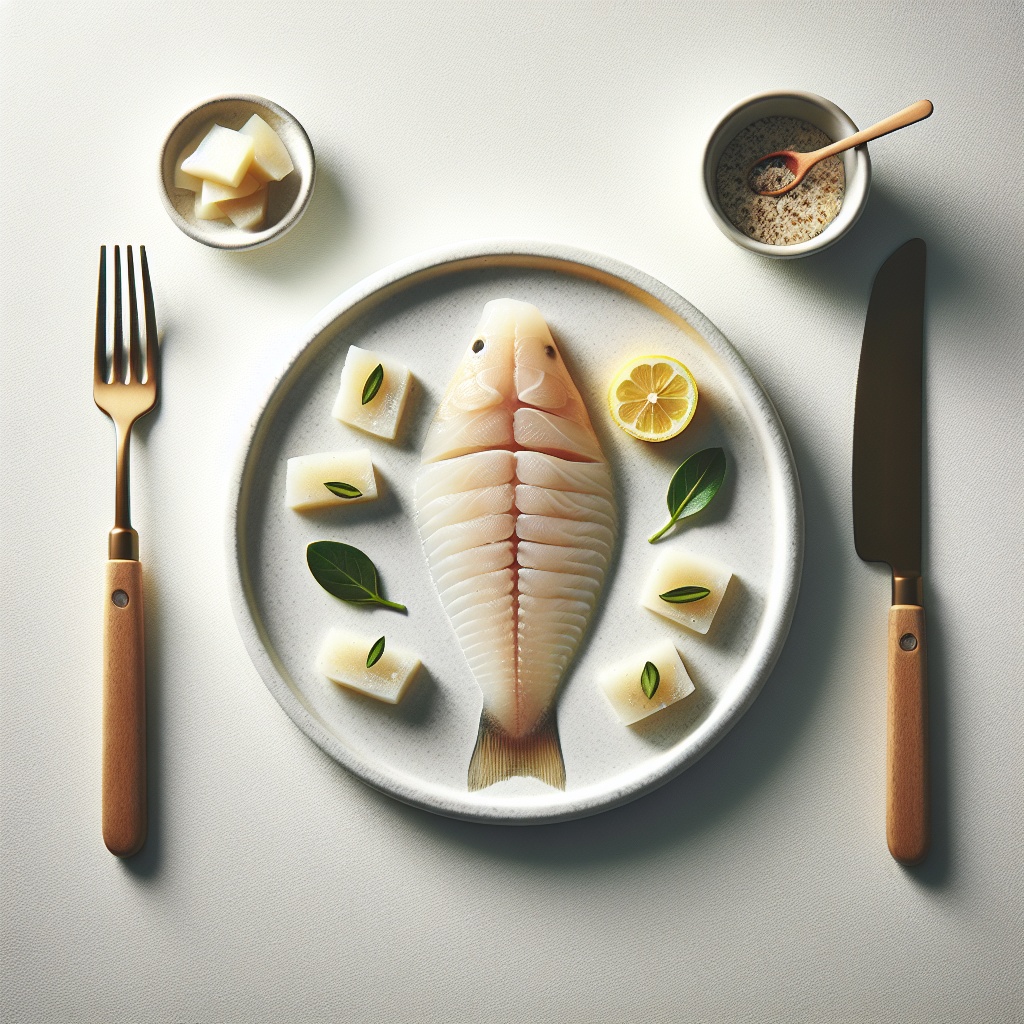
Flounder fillet may be introduced as soon as your baby is ready to start solids, which is typically around 6 months of age. This mild, flaky white fish is a gentle first fish for babies when fully cooked and served without bones. Always ensure the fillet is thoroughly cooked until it reaches an internal temperature of 63°C and flakes easily with a fork.
Is Flounder fillet healthy for babies?
Flounder is an excellent source of high-quality protein, which supports your baby's growth and development. This lean white fish provides important B vitamins, including B12 for brain development and energy metabolism, as well as selenium, which supports immune function. Flounder also offers some omega-3 fatty acids, though in lower amounts than oily fish, which contribute to healthy brain and eye development.
Lower-risk serving reminders
Flounder has a low choking risk because it cooks to a soft, flaky texture that breaks apart easily in the mouth. When properly prepared without skin or bones and kept moist, flounder naturally separates into small pieces that are manageable for babies to chew and swallow safely.
Allergen introduction checklist
Flounder is a finned fish, which is a common allergen and one of the top allergens in the UK and US. Introduce flounder on its own, without mixing it into other new foods, and watch for signs of a reaction such as hives, swelling, vomiting, or difficulty breathing.
General feeding checklist
Seat baby upright and stable for all meals.
Model slow chewing and allow baby to control pace.
Stop and reset if baby is upset, tired, or over-stuffed.
Readiness signs to check
Baby can sit upright with minimal support during meals.
Hands and mouth coordinate for bringing food to the mouth.
Tongue-thrust reflex is reduced, so food is not immediately pushed out.
Interest in self-feeding and opening mouth for food cues is visible.
Pause and seek advice if
Coughing is persistent or distress does not settle quickly during meals.
You notice repeated vomiting, rash, swelling, wheeze, or breathing changes after a food.
Baby struggles with swallowing progression over multiple meals despite texture adjustments.
There is a known medical condition affecting feeding, growth, or airway safety.
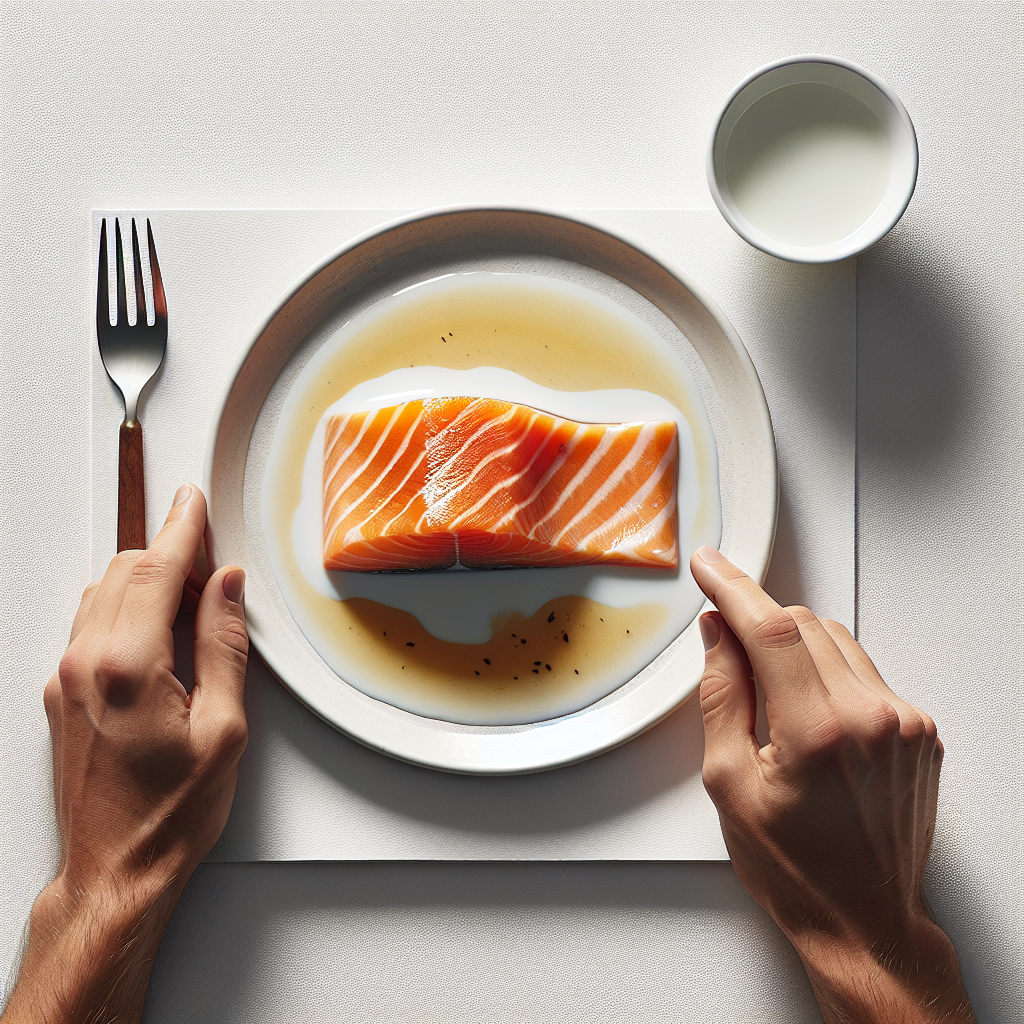
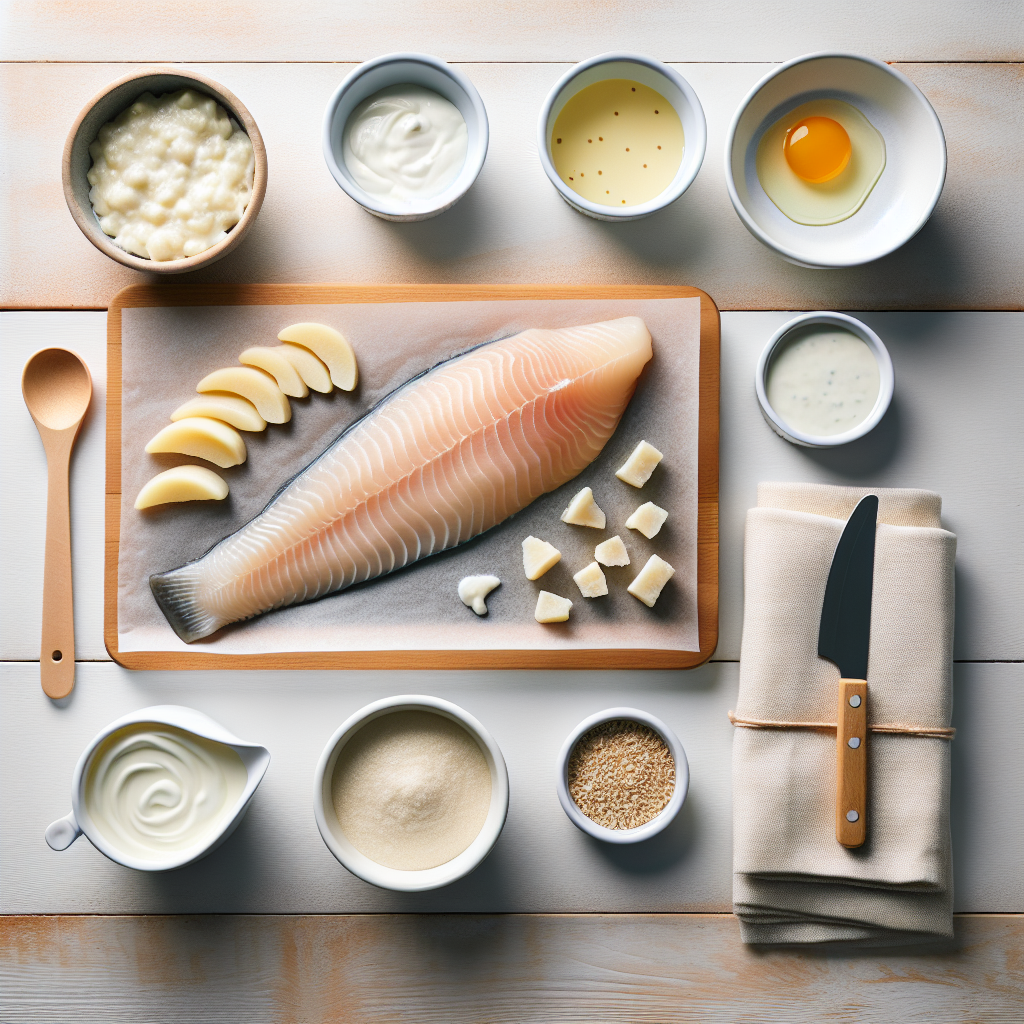
Cook the flounder fillet thoroughly until it flakes easily, then remove all skin and check carefully for bones. Shred the fillet into fine flakes mixed with a little breast milk, formula, or mashed avocado to keep it moist, or offer it in finger-length strips about the size of two adult fingers pressed together. The strips should be tender enough to squash easily between your thumb and forefinger, making them safe for babies to gnaw and suck on as they develop their chewing skills.
9–11 months
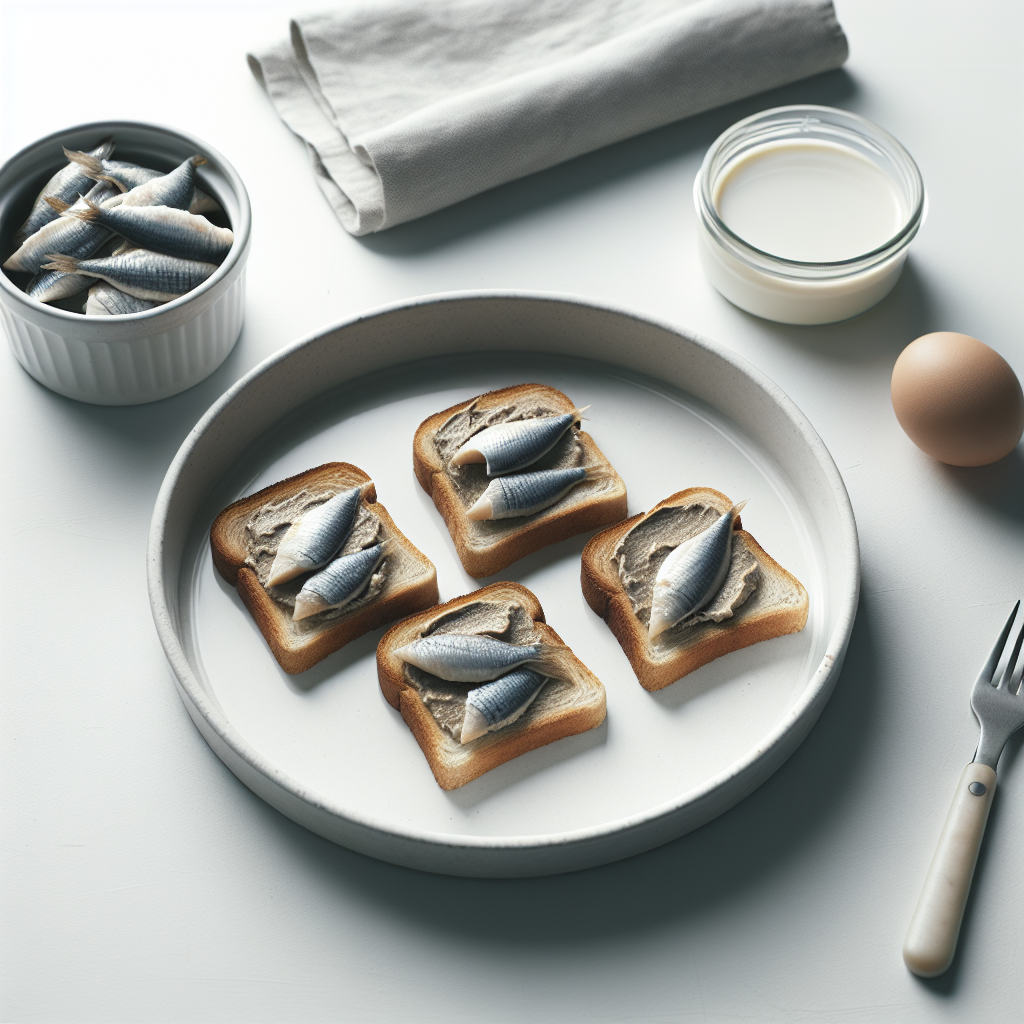
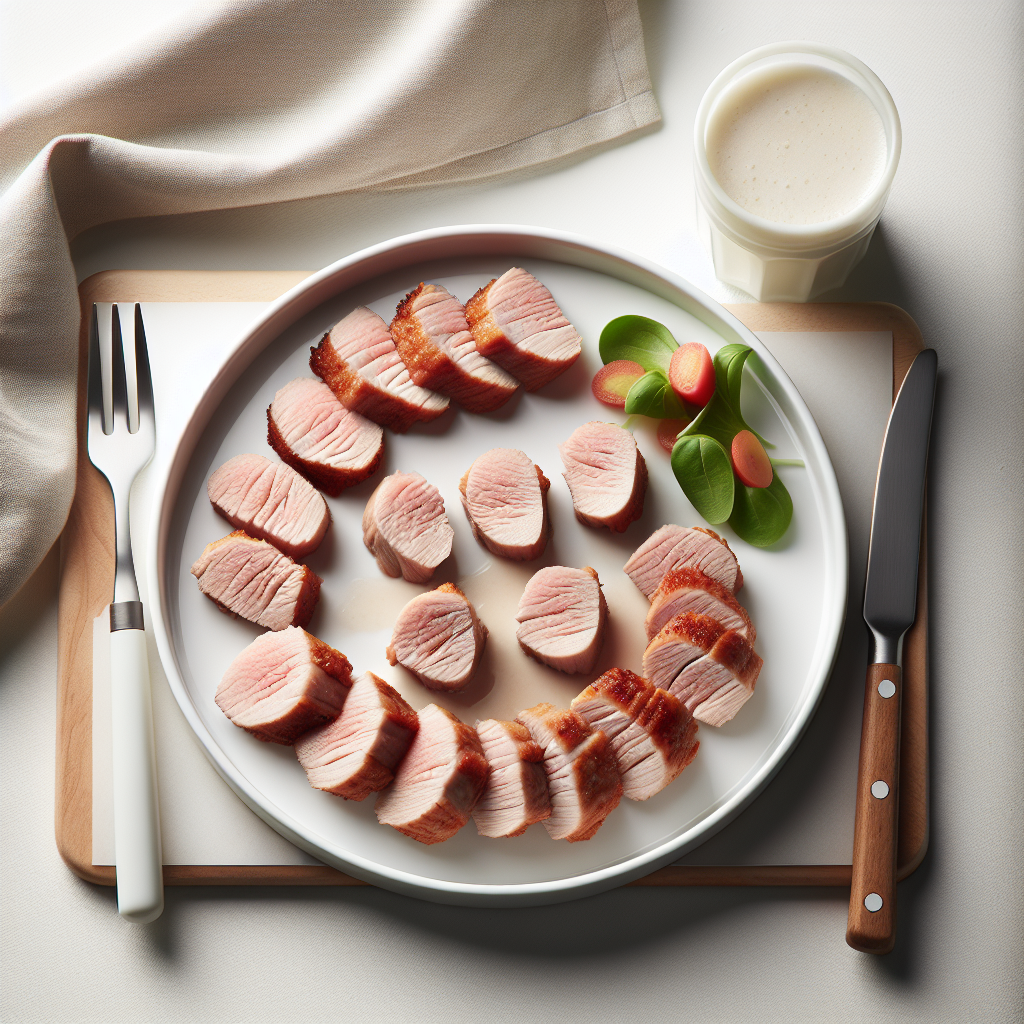
Offer fully cooked flounder as flakes, shreds, or small soft bites that your baby can pick up with their developing pincer grasp. Continue to check meticulously for bones and keep the fish moist by serving it with a sauce, yoghurt, or mixed into foods like mashed potato or pasta. You can also continue offering small strips if your baby prefers to hold larger pieces, adjusting the size as their self-feeding skills improve.
12–24 months
Serve flounder in small, bite-sized pieces or strips as part of family meals, ensuring the fish remains moist and tender. Avoid overcooking, as dry or crispy edges can be more difficult for toddlers to manage safely. You might offer flounder in fish cakes, stirred through risotto, or simply served alongside vegetables and grains, always checking thoroughly for bones before serving.
Common questions about Flounder fillet
Is flounder safe for babies with a family history of fish allergies?
Flounder is a top allergen, so consult your GP or health visitor if your baby has a family history of fish allergy or other risk factors before introducing it. Early introduction of allergens is typically encouraged, but individualised guidance may be needed.
How do I check flounder for bones before serving it to my baby?
Run your fingers gently over the cooked fillet in all directions to feel for any pin bones, then use clean tweezers or your fingers to remove them. Flounder typically has fewer bones than many other fish, but always check carefully before serving.
Can I serve flounder from frozen or must it be fresh?
Both fresh and frozen flounder are suitable for babies. Frozen fish is often frozen shortly after catch, preserving nutrients and freshness, so it can be just as nutritious as fresh flounder.