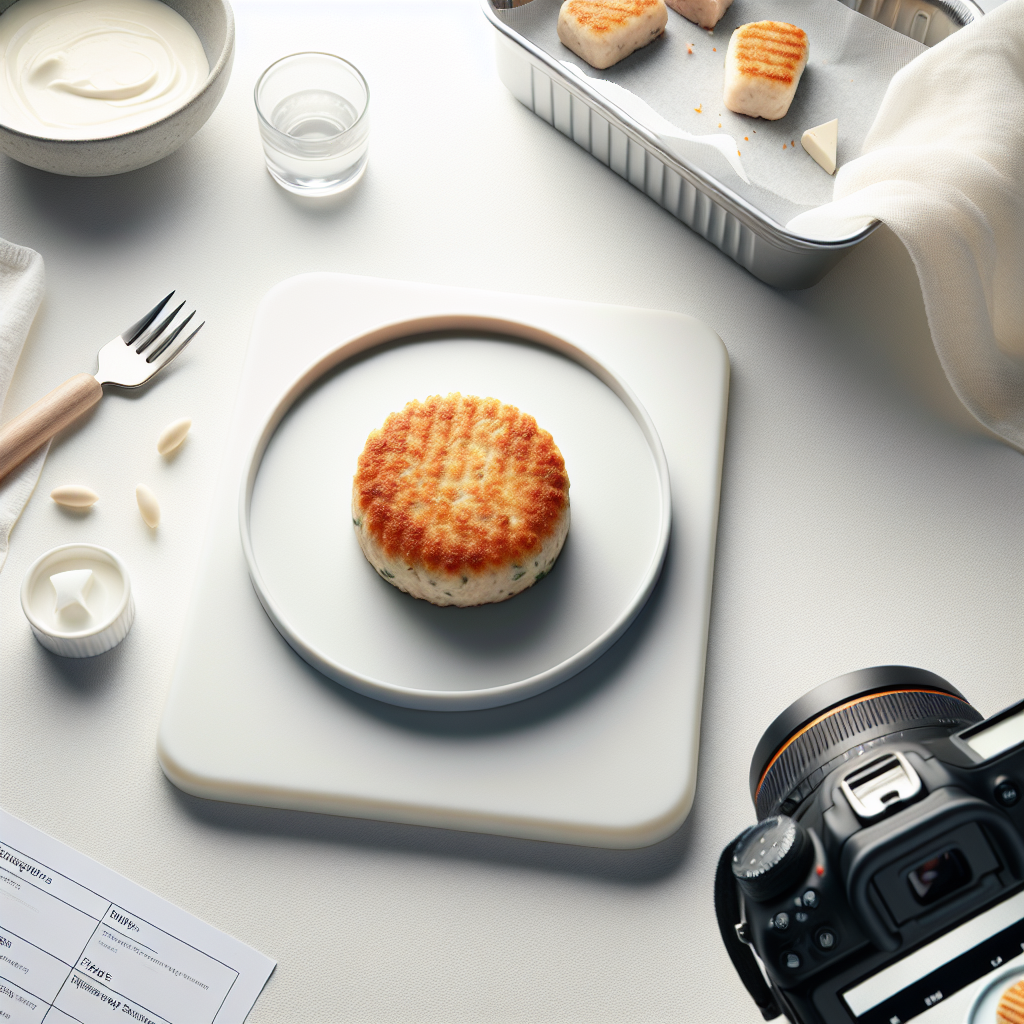
Soft fish cakes can be offered from around 6 months of age, as soon as your baby is ready to start solid foods. Choose fish cakes that are fully cooked and have a soft, moist texture throughout, avoiding varieties with hard crusts or very dry edges. Always check the ingredients list for added salt, as many commercial fish cakes can be high in sodium, which is not suitable for babies.
Is Fish cake soft healthy for babies?
Fish cakes provide protein to support your baby's growth and development, along with omega-3 fatty acids if made with oily fish varieties. They also offer B vitamins, including B12, which supports brain development and red blood cell formation. The nutritional value varies depending on ingredients, so check labels for added salt and choose options with more fish and less filler when possible.
Lower-risk serving reminders
Soft fish cakes present a low choking risk because they are tender and easy to mash with the gums, breaking down readily in the mouth. Their moist texture helps them move safely to the back of the throat when chewed or gummed.
Allergen information
Fish is a common allergen and should be introduced carefully, like any other allergen food. Offer a small amount at first and watch for signs of a reaction, such as hives, swelling, vomiting, or difficulty breathing.
Fish
General feeding checklist
Seat baby upright and stable for all meals.
Model slow chewing and allow baby to control pace.
Stop and reset if baby is upset, tired, or over-stuffed.
Readiness signs to check
Baby can sit upright with minimal support during meals.
Hands and mouth coordinate for bringing food to the mouth.
Tongue-thrust reflex is reduced, so food is not immediately pushed out.
Interest in self-feeding and opening mouth for food cues is visible.
Pause and seek advice if
Coughing is persistent or distress does not settle quickly during meals.
You notice repeated vomiting, rash, swelling, wheeze, or breathing changes after a food.
Baby struggles with swallowing progression over multiple meals despite texture adjustments.
There is a known medical condition affecting feeding, growth, or airway safety.
Serve soft fish cakes cut into finger-length strips about the size of two adult fingers placed together, making them easy for your baby to grasp in their palm with some sticking out to gnaw on. Ensure the fish cake is fully cooked, moist, and soft enough to squash easily between your thumb and finger, removing any hard or crispy outer coating. You can also mash or flake the fish cake and load it onto a pre-loaded spoon or let your baby scoop it with their hands.
9–11 months
Continue offering soft fish cakes in finger-length strips to encourage self-feeding, or break them into small, soft, bite-sized pieces about the size of a chickpea as your baby develops their pincer grasp. Check carefully for any small bones, especially in homemade versions, and ensure the texture remains soft and moist throughout. Serve alongside vegetables or mashed potato to create a balanced meal.
12–24 months
Offer soft fish cakes in small bite-sized pieces or strips that your toddler can manage with their hands or practise with a fork. Keep portions moist by serving with a dip like unsweetened yoghurt, mashed avocado, or a small amount of tomato-based sauce, and avoid any dry or overcooked edges that could be difficult to chew. Continue checking for bones and monitor your toddler whilst they eat.
Common questions about Fish cake soft
Can I give my baby shop-bought fish cakes?
Yes, but choose varieties with lower salt content and check the ingredients list carefully, as many commercial fish cakes contain added sodium, preservatives, and fillers that are less ideal for babies.
Do I need to remove the coating from fish cakes?
If the coating is soft and fully cooked through, it can be left on, but remove any hard, crispy, or breadcrumb crust as these can present a choking risk and are often higher in salt.
What type of fish is best in fish cakes for babies?
White fish like cod, haddock, or pollock are mild and well-suited to babies, whilst fish cakes made with salmon provide additional omega-3 fatty acids for brain development.