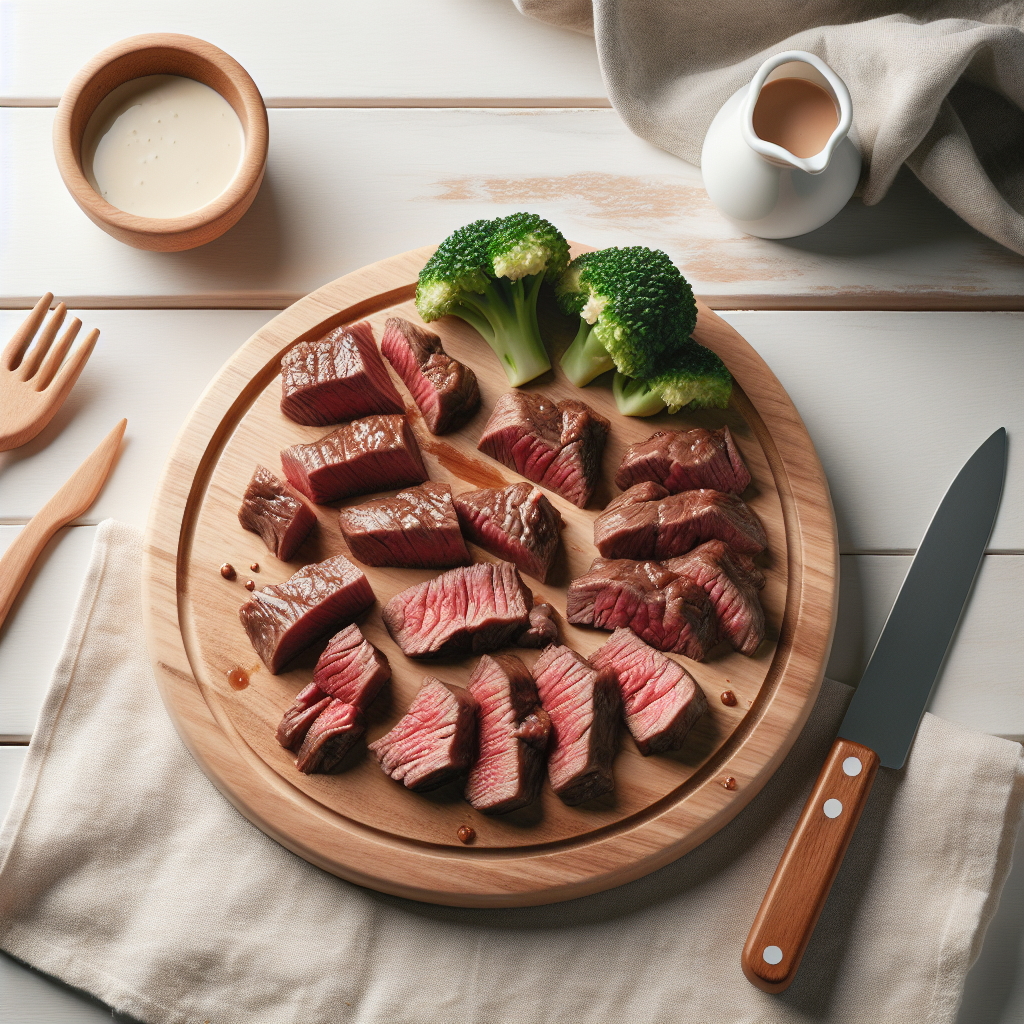
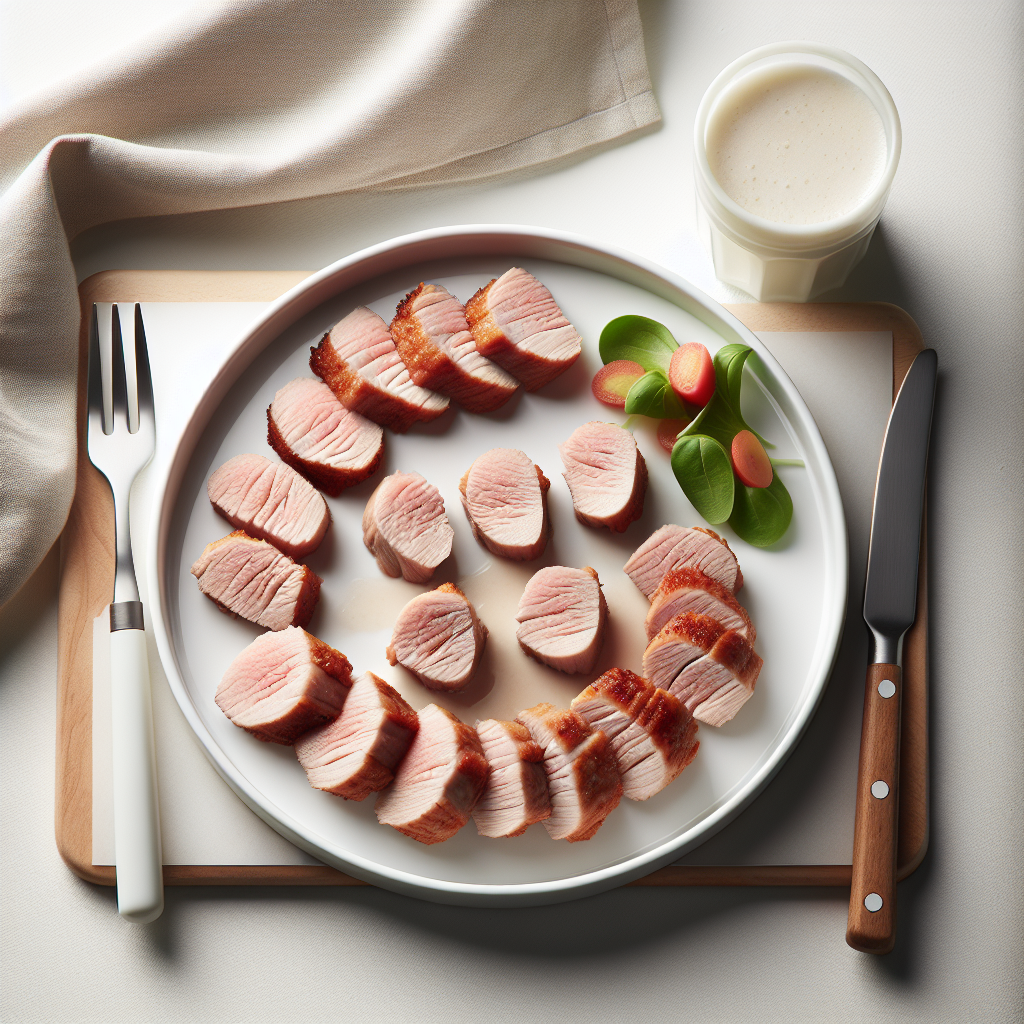
Beef steak tender can be introduced as soon as your baby is ready to start solid foods, which is typically around 6 months of age. When prepared properly until fully cooked and tender, it becomes soft enough for babies to gum and manage safely. Always ensure the meat is served in an age-appropriate size and shape to support your baby's developing eating skills.
Is Beef steak tender healthy for babies?
Beef steak tender is an excellent source of highly bioavailable haem iron, which supports healthy brain development and helps prevent iron deficiency in babies. It also provides high-quality protein, zinc for immune function and growth, and B vitamins including B12 for energy and neurological development. The rich nutrient profile makes beef particularly valuable during the weaning period when babies' iron stores begin to deplete.
Lower-risk serving reminders
Beef steak tender has a low choking risk when cooked until fully tender and served in appropriate cuts. The key is ensuring the meat is moist, easy to shred or bite, and free from tough or chewy portions that could be difficult for babies to manage.
Allergen introduction checklist
Beef is not a common allergen and is considered safe for most babies. Whilst meat allergies are rare, alpha-gal syndrome (a tick-borne allergy to red meat) exists but is uncommon in infants.
General feeding checklist
Seat baby upright and stable for all meals.
Model slow chewing and allow baby to control pace.
Stop and reset if baby is upset, tired, or over-stuffed.
Readiness signs to check
Baby can sit upright with minimal support during meals.
Hands and mouth coordinate for bringing food to the mouth.
Tongue-thrust reflex is reduced, so food is not immediately pushed out.
Interest in self-feeding and opening mouth for food cues is visible.
Pause and seek advice if
Coughing is persistent or distress does not settle quickly during meals.
You notice repeated vomiting, rash, swelling, wheeze, or breathing changes after a food.
Baby struggles with swallowing progression over multiple meals despite texture adjustments.
There is a known medical condition affecting feeding, growth, or airway safety.
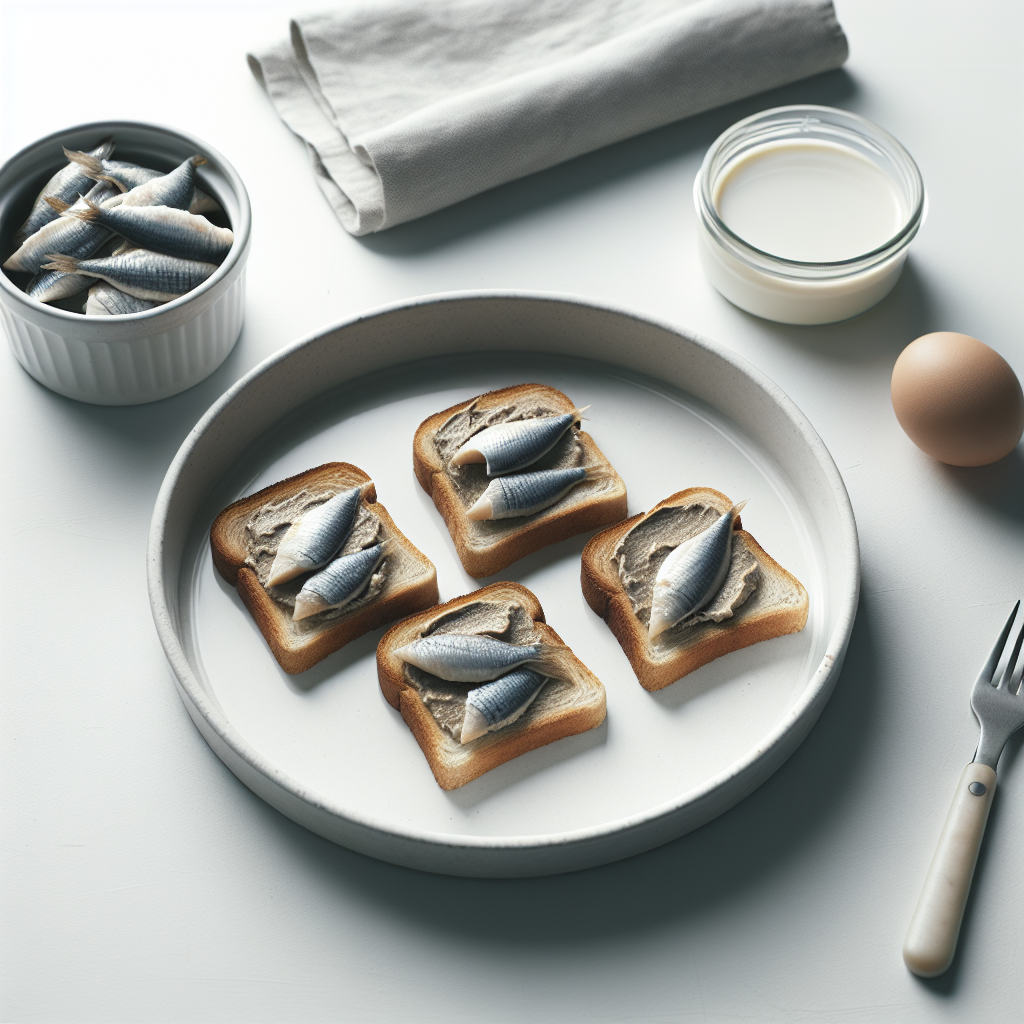
Cook beef steak until it is fully tender and shreds easily with a fork, using methods such as slow cooking, braising, or pressure cooking. Offer finger-length strips about the size of two adult fingers placed together, ensuring the meat is moist and free from any tough outer skin or dry edges. You can also serve shredded beef in a strip of toast or alongside other foods to help your baby practise their palmar grasp.
9–11 months
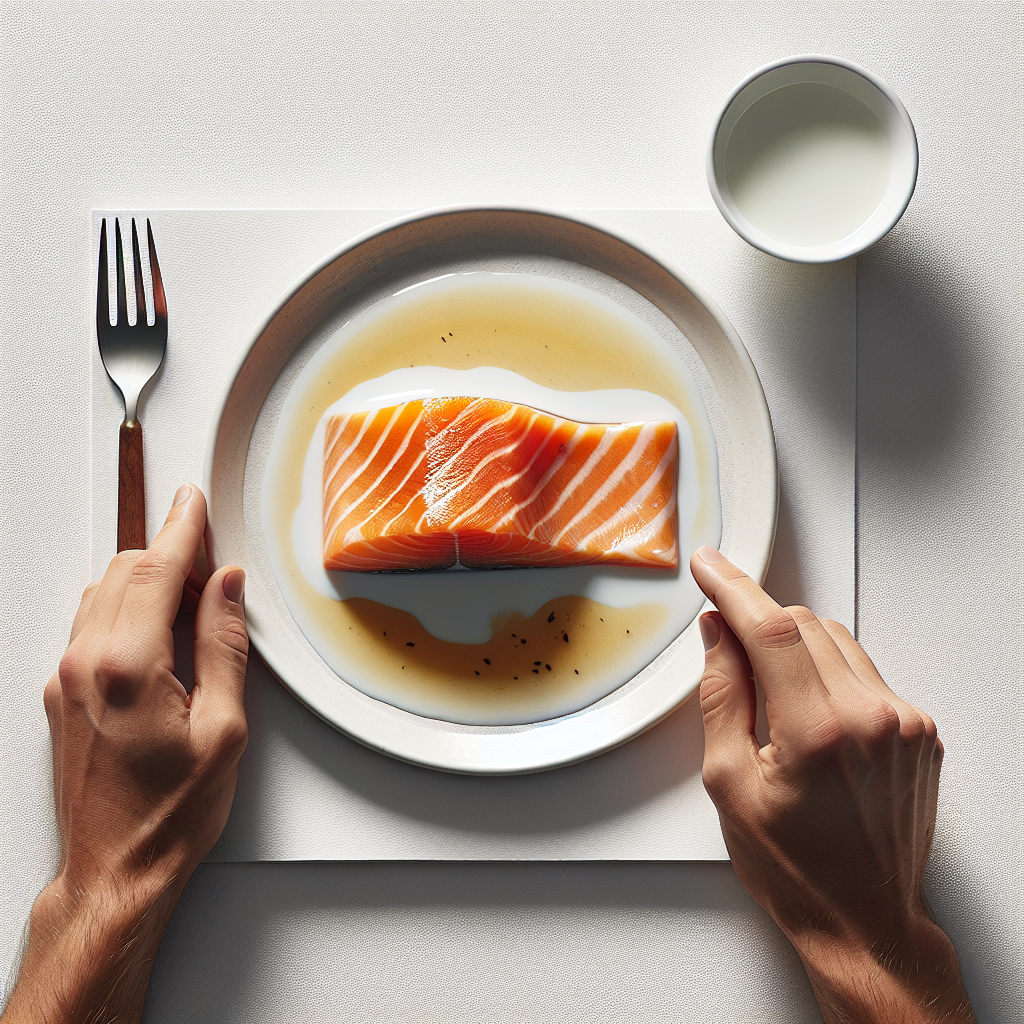
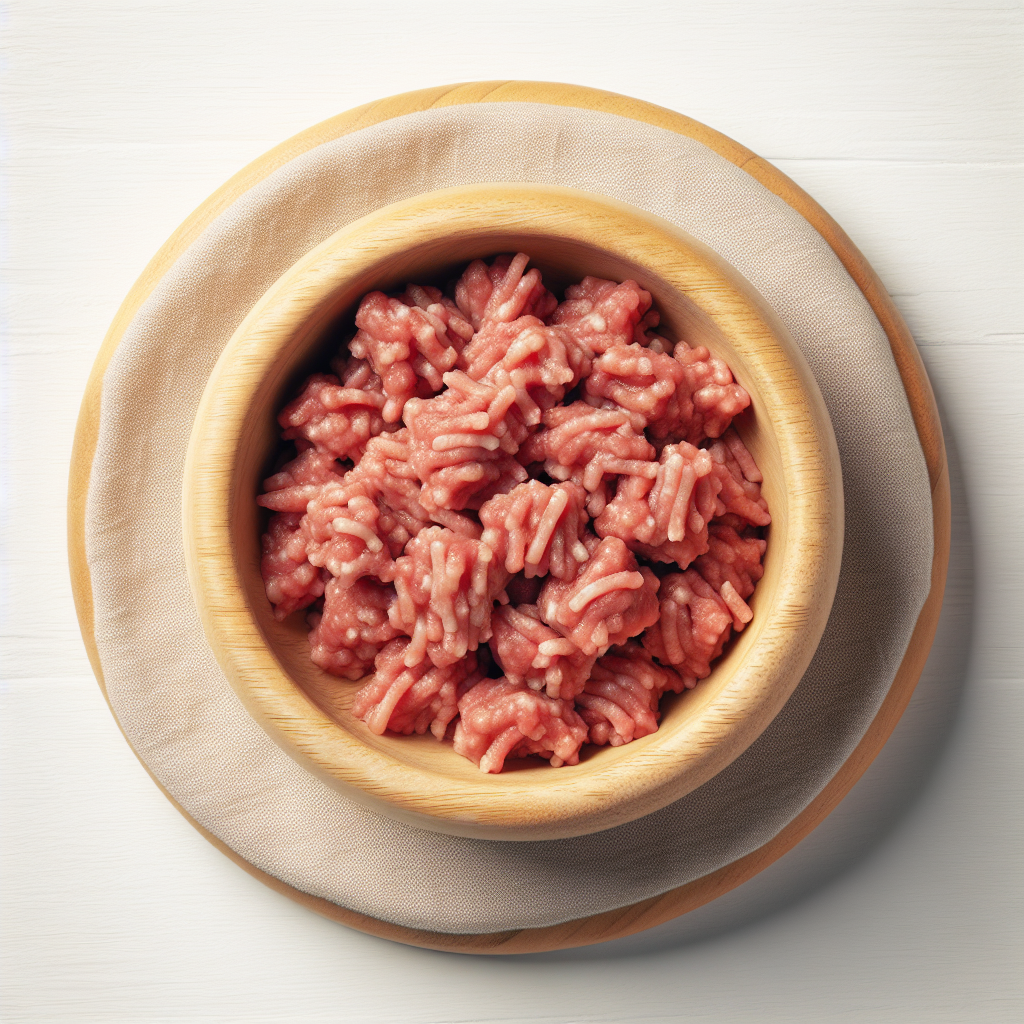
Continue to cook beef steak until tender, then offer it as shreds, small flakes, or soft bite-sized pieces that your baby can pick up with their developing pincer grasp. You can mix shredded beef into mashed vegetables, pasta, or rice to make it easier to scoop. Keep the meat moist by serving it with its cooking juices or a little sauce to prevent dryness.
12–24 months
Serve beef steak tender in small, bite-sized pieces or strips that your toddler can manage with utensils or fingers. Continue to ensure the meat is well-cooked, moist, and tender, avoiding dry or overcooked edges that can be difficult to chew. As your child's chewing skills improve, you can gradually introduce slightly firmer textures, but always prioritise tenderness and moisture.
Common questions about Beef steak tender
How do I make beef steak tender enough for my baby?
Cook beef steak using slow, moist methods such as braising, slow cooking, or pressure cooking until it shreds easily with a fork. Avoid grilling or pan-frying, which can create tough, dry textures that are harder for babies to manage.
Can I serve beef steak tender to my 6-month-old?
Yes, beef steak tender is suitable from 6 months when cooked until fully tender and served in finger-length strips that your baby can grasp and gnaw on. Ensure the meat is moist and shreds easily to support safe eating.
What cuts of beef work best for baby-led weaning?
Tender cuts such as fillet, sirloin, or rump work well when cooked properly, but tougher cuts like chuck or brisket can become very tender when slow-cooked. The cooking method matters more than the cut when preparing beef for babies.