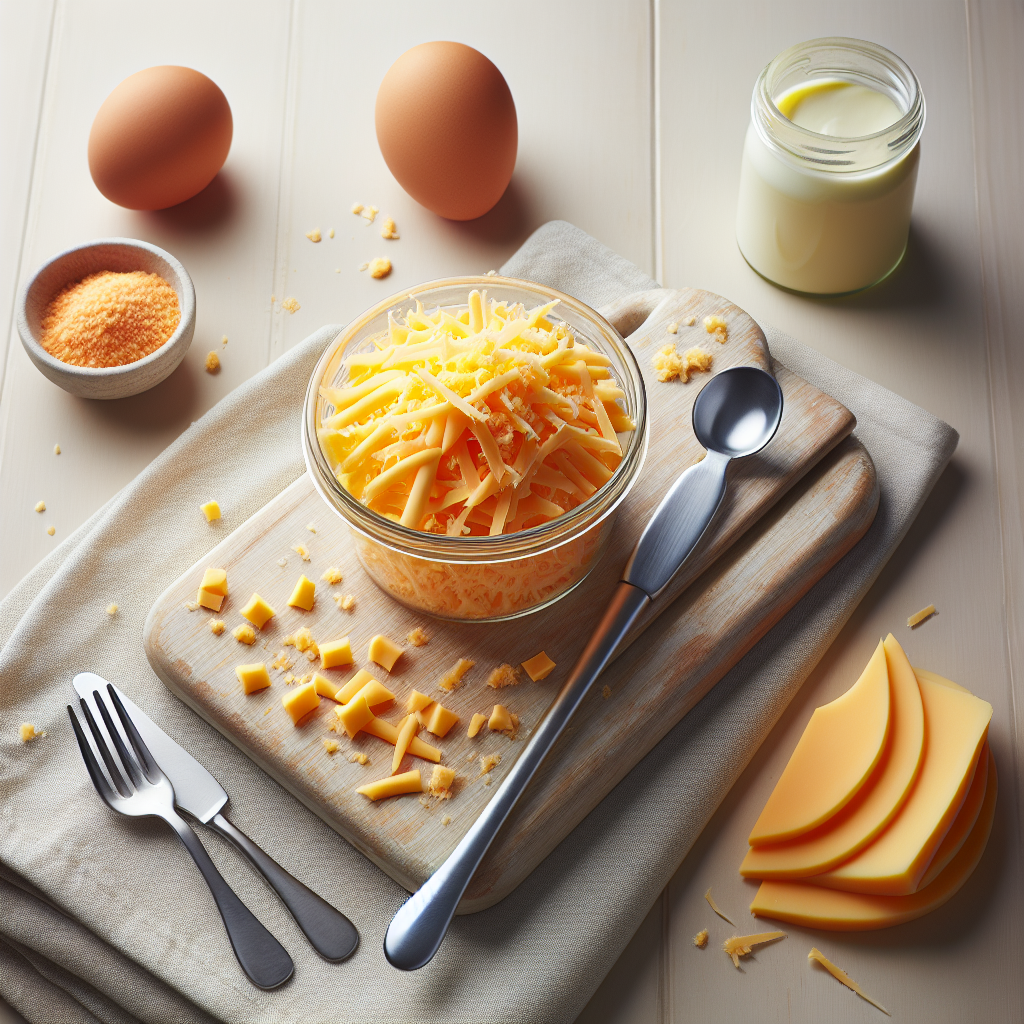
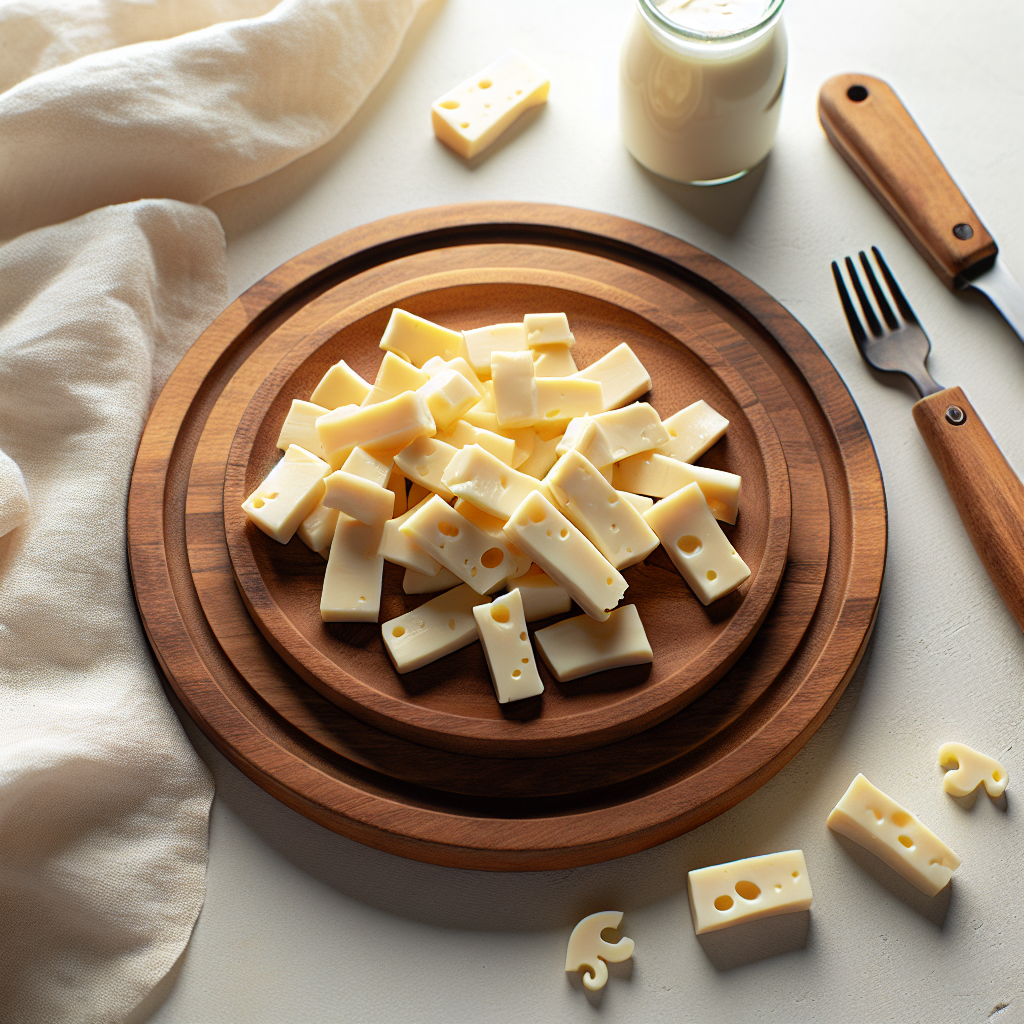
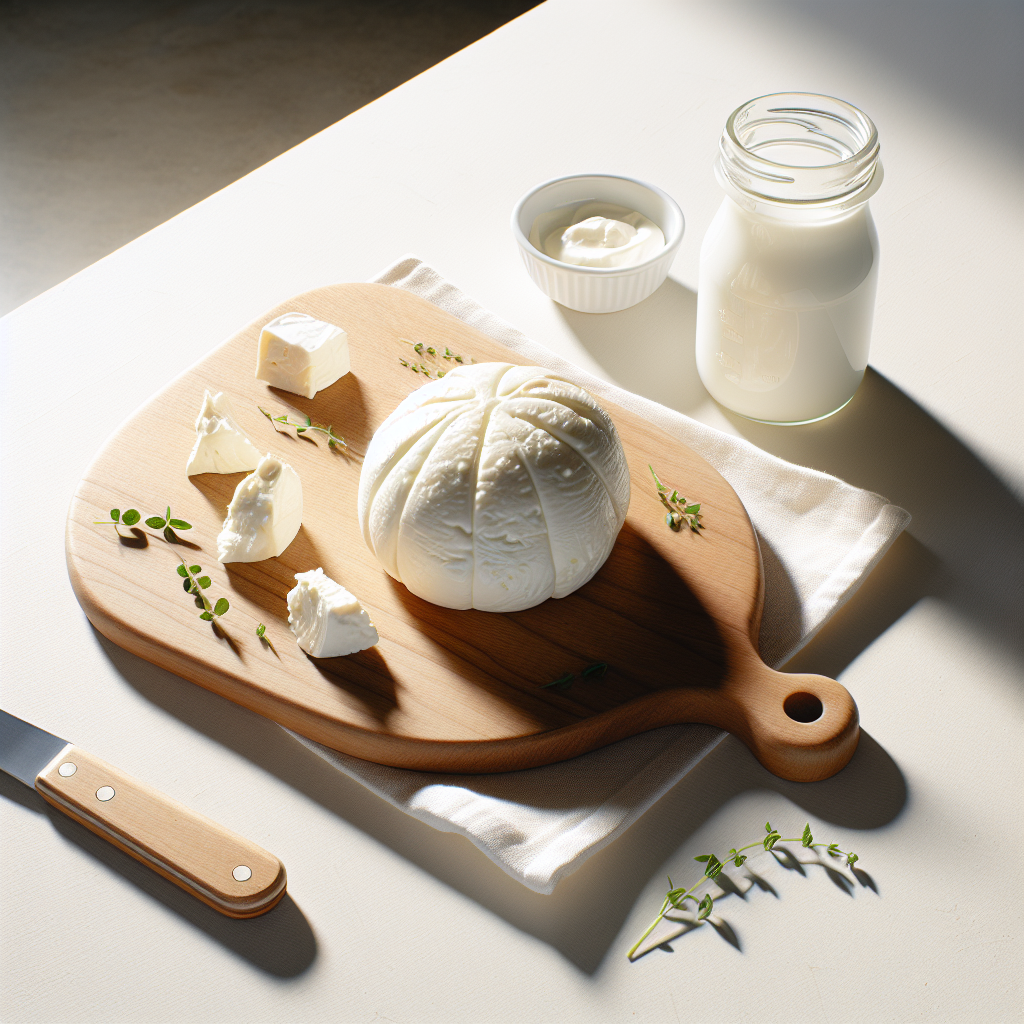
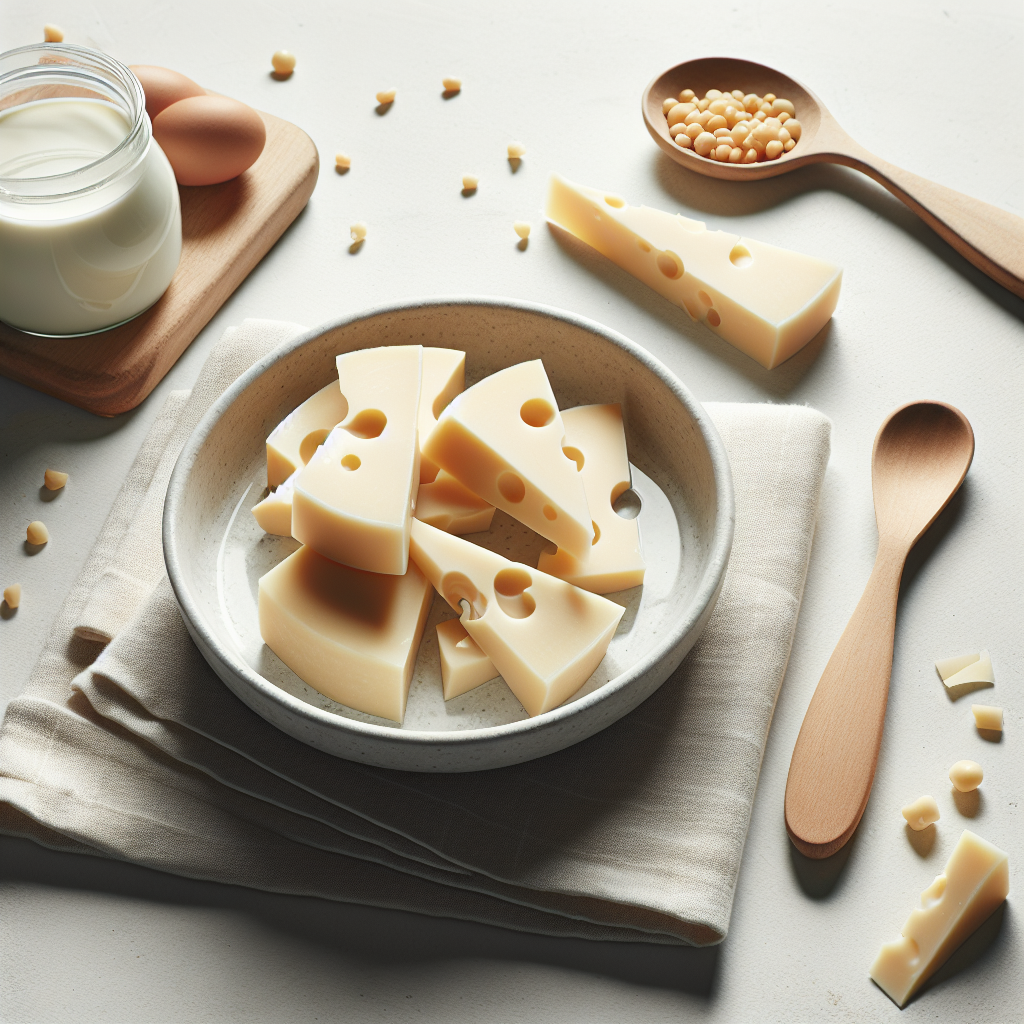
Red Leicester grated can be introduced from around 6 months of age, once your baby is ready to start solid foods and is showing signs of readiness for baby-led weaning. Cheese is a nutritious food for babies, but if your baby has not yet been exposed to cow's milk protein, introduce it carefully and watch for signs of a cow's milk protein allergy. Opt for full-fat versions, as babies need the fat for healthy brain development.
Is Red leicester grated healthy for babies?
Red Leicester is a good source of protein, which supports growth and tissue repair in babies. It also provides calcium and phosphorus for building strong bones and teeth, as well as vitamin A for healthy vision and immune function. The fat content in full-fat cheese supports brain development during this critical period of growth.
Lower-risk serving reminders
Grated Red Leicester has a low choking risk because the small, soft shreds naturally break down when chewed or gummed, and they can easily dissolve with saliva. The fine texture makes it manageable for babies who are still developing their chewing skills.
Allergen information
Red Leicester contains cow's milk, which is one of the most common food allergens in infants. When introducing for the first time, offer a small amount and watch for signs of an allergic reaction, such as hives, vomiting, or difficulty breathing, particularly if there is a family history of dairy allergy.
Milk (dairy)
General feeding checklist
Seat baby upright and stable for all meals.
Model slow chewing and allow baby to control pace.
Stop and reset if baby is upset, tired, or over-stuffed.
Readiness signs to check
Baby can sit upright with minimal support during meals.
Hands and mouth coordinate for bringing food to the mouth.
Tongue-thrust reflex is reduced, so food is not immediately pushed out.
Interest in self-feeding and opening mouth for food cues is visible.
Pause and seek advice if
Coughing is persistent or distress does not settle quickly during meals.
You notice repeated vomiting, rash, swelling, wheeze, or breathing changes after a food.
Baby struggles with swallowing progression over multiple meals despite texture adjustments.
There is a known medical condition affecting feeding, growth, or airway safety.
For babies aged 6 to 8 months, sprinkle a small amount of grated Red Leicester onto strips of toast, roasted vegetables, or pasta to help it stick and make it easier for your baby to pick up. You can also melt the grated cheese lightly on toast or steamed veg, allowing it to cool before serving. This allows your baby to explore the flavour and texture whilst practising their palm grasp.
9–11 months
At 9 to 11 months, continue offering grated Red Leicester sprinkled on finger foods such as toast soldiers, scrambled eggs, or soft-cooked vegetables. You can also let your baby practise their pincer grasp by placing a small pile of grated cheese directly on their highchair tray for self-feeding. Melting it into pasta shapes or onto flatbreads adds variety and encourages exploration.
12–24 months
For toddlers aged 12 to 24 months, grated Red Leicester can be stirred into dishes like pasta, risotto, or baked potatoes, or sprinkled over soups and casseroles. You can also offer it on its own as a snack or part of a balanced meal alongside fruit and vegetables. At this stage, some toddlers may enjoy helping to sprinkle cheese themselves, which encourages independence at mealtimes.
Common questions about Red leicester grated
Is Red Leicester too salty for babies?
Red Leicester contains moderate sodium, so offer it in small amounts as part of a varied diet and avoid giving cheese at every meal. Choose grated cheese over larger pieces to help control portion sizes.
Can I melt grated Red Leicester for my baby?
Yes, melting grated Red Leicester on toast, pasta, or vegetables makes it easier for younger babies to manage and adds flavour to meals. Ensure any melted cheese has cooled to a safe temperature before serving.
How much grated Red Leicester should I offer my baby?
A small pinch or one to two teaspoons of grated Red Leicester is appropriate for babies, as cheese is calorie-dense and relatively high in sodium. Focus on variety and balance rather than large portions.