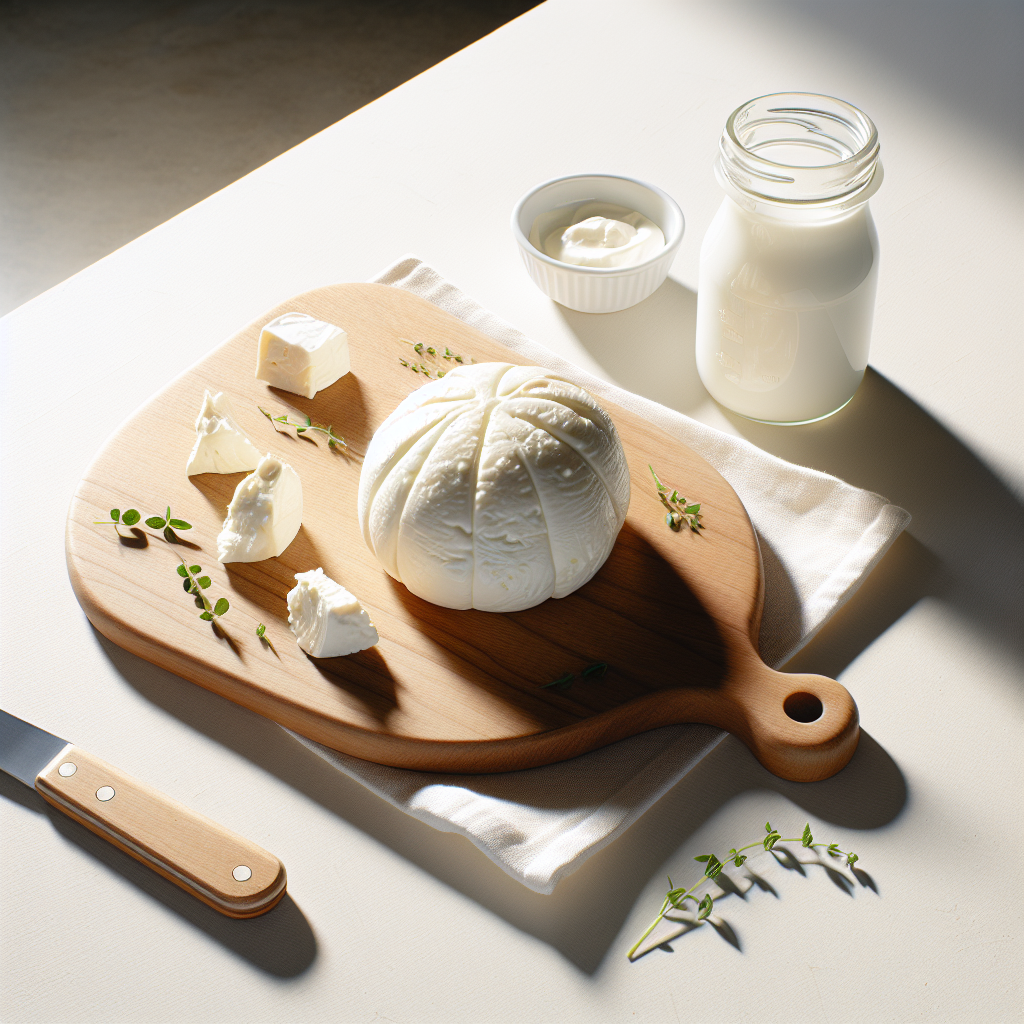
Burrata can be introduced from around 6 months of age, once your baby is ready to start solid foods and showing the developmental signs of readiness for eating. As burrata is a fresh cheese made from cow's milk, it contains the milk allergen, so if this is your baby's first exposure to dairy, watch carefully for any signs of an allergic reaction or cow's milk protein allergy (CMPA). Always choose full-fat versions for babies under 2 years of age to support their rapid growth and development.
Is Burrata ball healthy for babies?
Burrata is an excellent source of protein, which supports muscle growth, tissue repair, and overall development in babies. It also provides calcium and phosphorus for strong bones and teeth, as well as fat-soluble vitamins like vitamin A for healthy vision and immune function. The high fat content in full-fat burrata supports brain development and provides concentrated energy for active, growing babies.
Lower-risk serving reminders
Burrata has a low choking risk because its soft, creamy texture breaks down easily in the mouth and does not require significant chewing. The outer shell is tender and pliable, whilst the creamy centre is naturally smooth and spreadable, making it manageable for babies at various stages of eating development.
Allergen information
Burrata is made from cow's milk and is therefore a common allergen. When introducing burrata for the first time, offer a small amount and watch for signs of an allergic reaction, which may include hives, vomiting, or difficulty breathing, or symptoms of CMPA such as persistent eczema, blood in stools, or excessive fussiness.
Milk (dairy)
General feeding checklist
Seat baby upright and stable for all meals.
Model slow chewing and allow baby to control pace.
Stop and reset if baby is upset, tired, or over-stuffed.
Readiness signs to check
Baby can sit upright with minimal support during meals.
Hands and mouth coordinate for bringing food to the mouth.
Tongue-thrust reflex is reduced, so food is not immediately pushed out.
Interest in self-feeding and opening mouth for food cues is visible.
Pause and seek advice if
Coughing is persistent or distress does not settle quickly during meals.
You notice repeated vomiting, rash, swelling, wheeze, or breathing changes after a food.
Baby struggles with swallowing progression over multiple meals despite texture adjustments.
There is a known medical condition affecting feeding, growth, or airway safety.
For babies aged 6 to 8 months, tear the burrata into soft, palm-sized pieces or spread the creamy interior onto strips of lightly toasted bread that are about the size of two adult fingers held together. You can also offer a halved burrata ball directly, allowing your baby to squish it and self-feed by sucking and mouthing the soft cheese. The outer mozzarella layer will tear easily with gumming, and the creamy centre will ooze out for baby to explore.
9–11 months
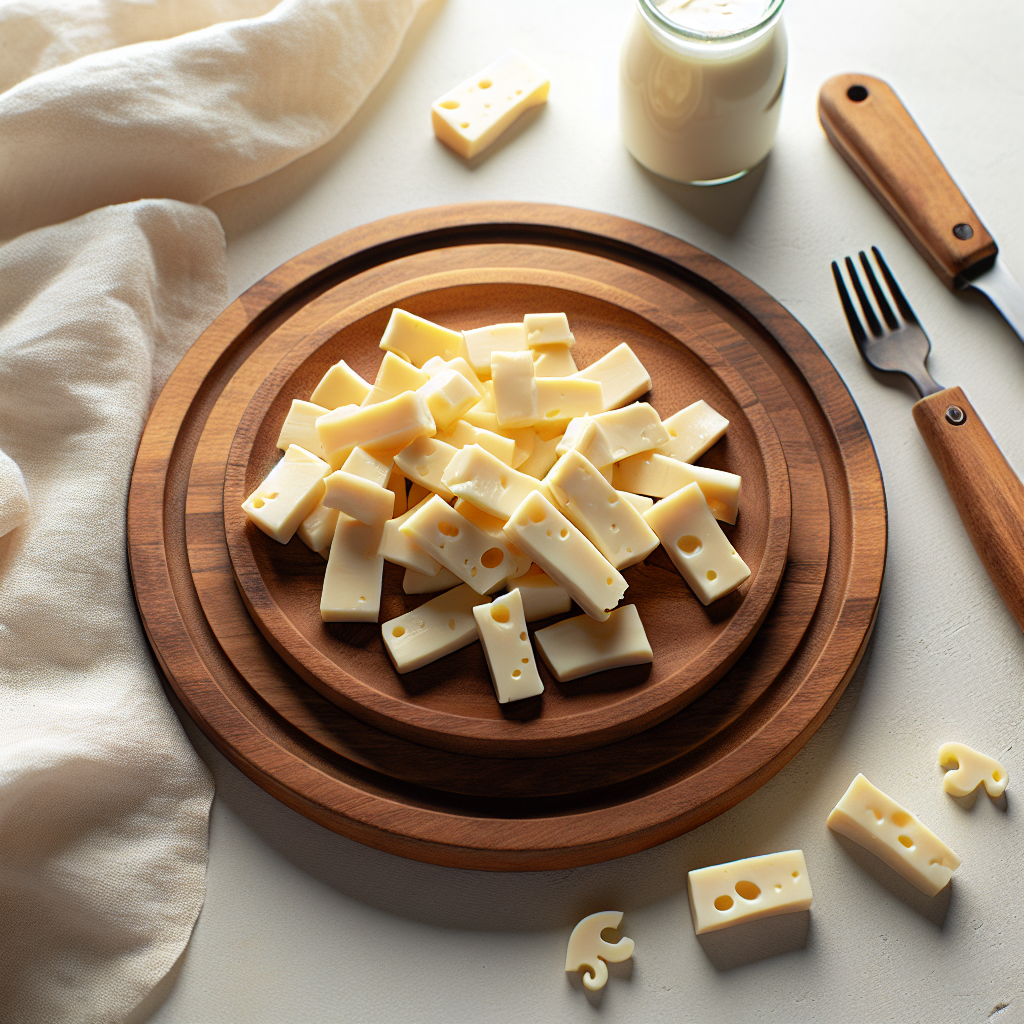
As babies aged 9 to 11 months develop their pincer grasp, you can continue offering burrata spread thickly on fingers of toast or torn into smaller, bite-sized soft pieces that they can pick up independently. You might also mash burrata into cooked pasta, spread it onto soft vegetable sticks like steamed courgette, or serve it alongside soft fruits. The creamy texture still makes it very manageable and low-risk at this age.
12–24 months
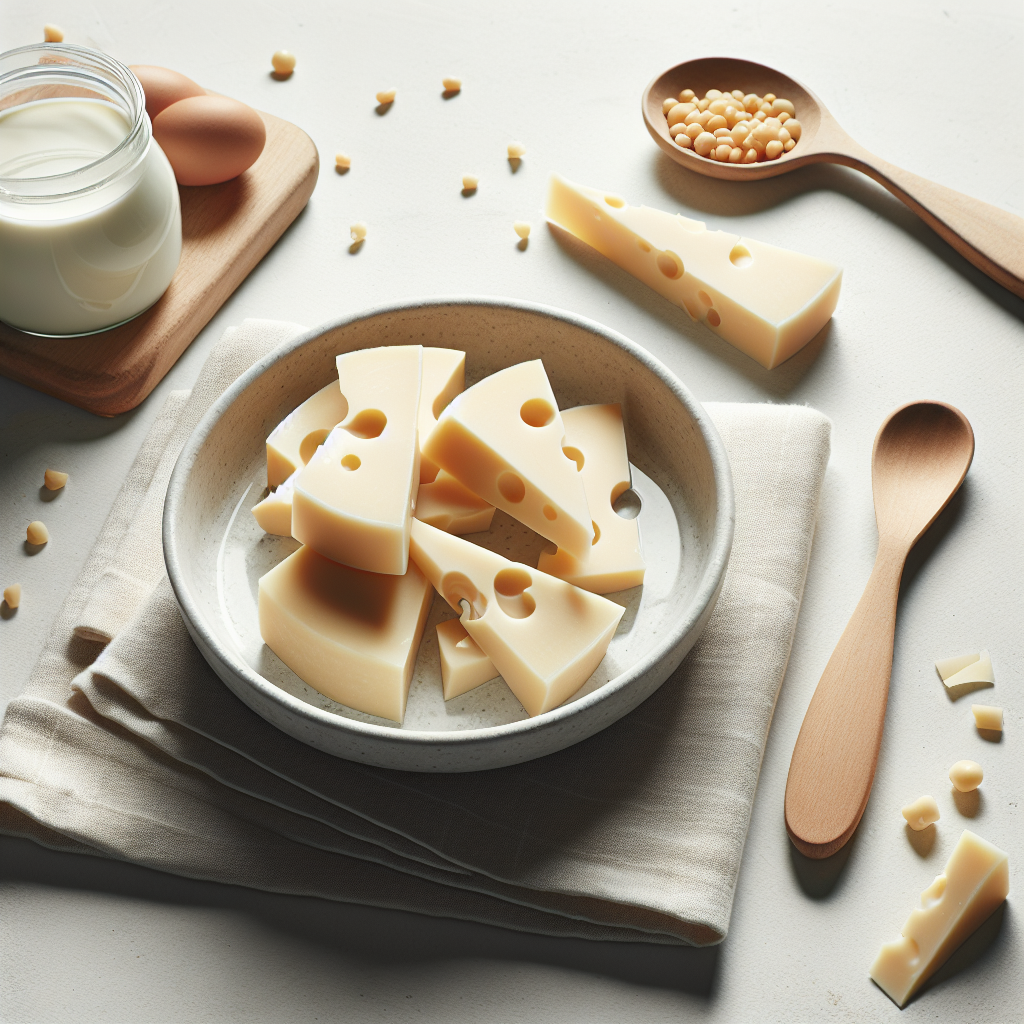
Toddlers aged 12 to 24 months can enjoy burrata in much the same way as the rest of the family, either torn into pieces and added to salads with soft ingredients, spread onto crackers or toast, or served alongside ripe tomatoes and soft bread. You can also let them practise using a spoon to scoop the creamy centre themselves. Continue to choose full-fat versions and be mindful of sodium levels by balancing burrata with low-salt foods throughout the day.
Common questions about Burrata ball
Is burrata safe for babies due to its creamy centre?
Yes, the soft, creamy centre of burrata is safe for babies from 6 months and actually makes it easier to manage than firmer cheeses, as it spreads easily and breaks down quickly in the mouth.
Should I drain the liquid from burrata before serving it to my baby?
You can gently pat the burrata to remove excess liquid before serving, which makes it easier to handle and spread, though the small amount of cream or whey inside is perfectly safe for babies to consume.
Can I serve burrata cold from the fridge to my baby?
Yes, you can serve burrata chilled, though bringing it to room temperature for 10 to 15 minutes before serving can enhance its creamy texture and make it easier to spread or tear into soft pieces.