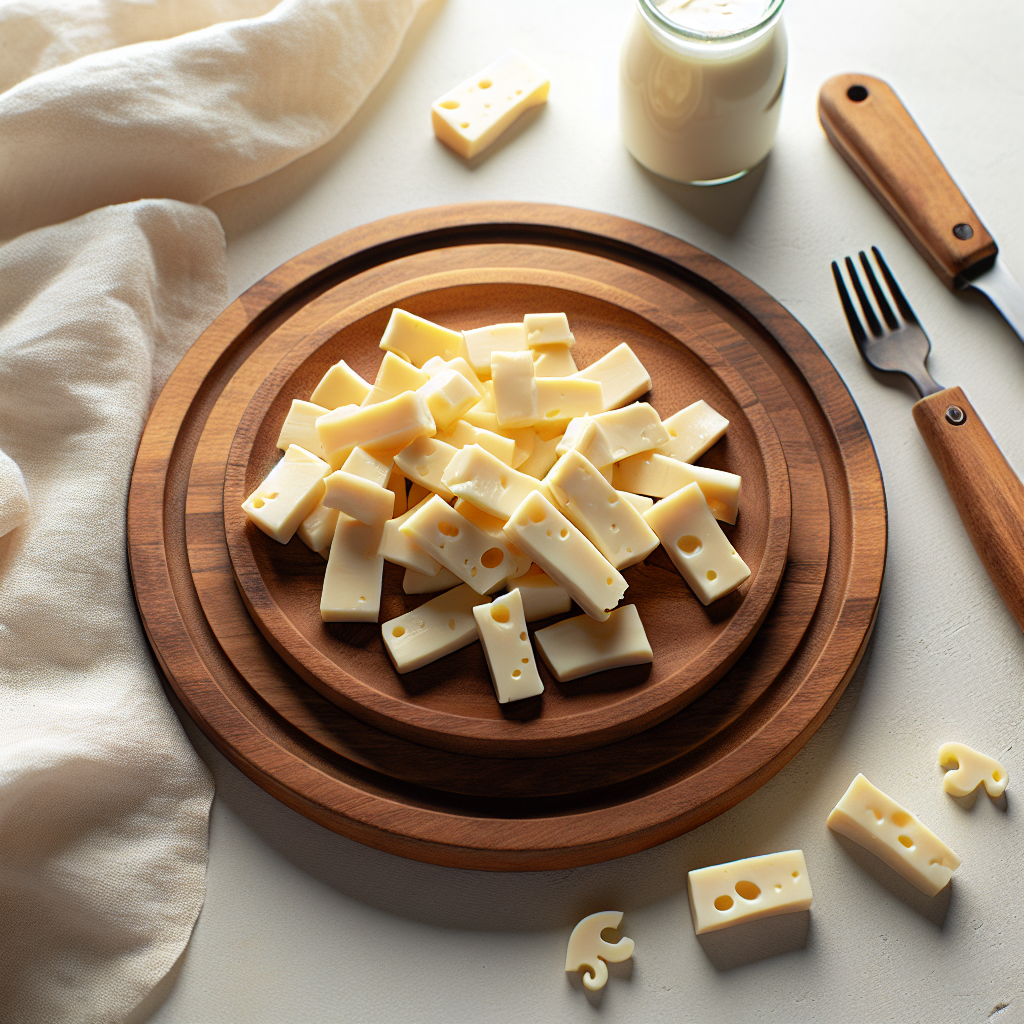
Cooked halloumi strips can be introduced from six months of age, as soon as your baby is ready to start solid foods. Halloumi contains milk, a common allergen, so it should be introduced carefully and one allergen at a time if your baby has not yet had dairy. Because halloumi is high in sodium, it should be offered only in small amounts and not as a regular part of your baby's diet.
Is Halloumi strip cooked healthy for babies?
Halloumi is a good source of protein, which supports your baby's growth and development. It also provides calcium, important for building strong bones and teeth, and contains fat-soluble vitamins like vitamin A. However, halloumi is very high in sodium, so it should only be offered occasionally and in small portions to avoid exceeding recommended salt intake for babies.
Lower-risk serving reminders
Cooked halloumi strips have a low choking risk because they are soft, pliable, and easy for babies to gum and chew. The texture becomes tender when cooked, and strips can be held easily by little hands whilst breaking down safely in the mouth.
Allergen information
Halloumi contains milk (dairy), which is one of the most common food allergens in babies and young children. When introducing halloumi for the first time, watch for signs of an allergic reaction such as hives, vomiting, or difficulty breathing, and consult your GP if you have concerns about cow's milk protein allergy.
Milk (dairy)
General feeding checklist
Seat baby upright and stable for all meals.
Model slow chewing and allow baby to control pace.
Stop and reset if baby is upset, tired, or over-stuffed.
Readiness signs to check
Baby can sit upright with minimal support during meals.
Hands and mouth coordinate for bringing food to the mouth.
Tongue-thrust reflex is reduced, so food is not immediately pushed out.
Interest in self-feeding and opening mouth for food cues is visible.
Pause and seek advice if
Coughing is persistent or distress does not settle quickly during meals.
You notice repeated vomiting, rash, swelling, wheeze, or breathing changes after a food.
Baby struggles with swallowing progression over multiple meals despite texture adjustments.
There is a known medical condition affecting feeding, growth, or airway safety.
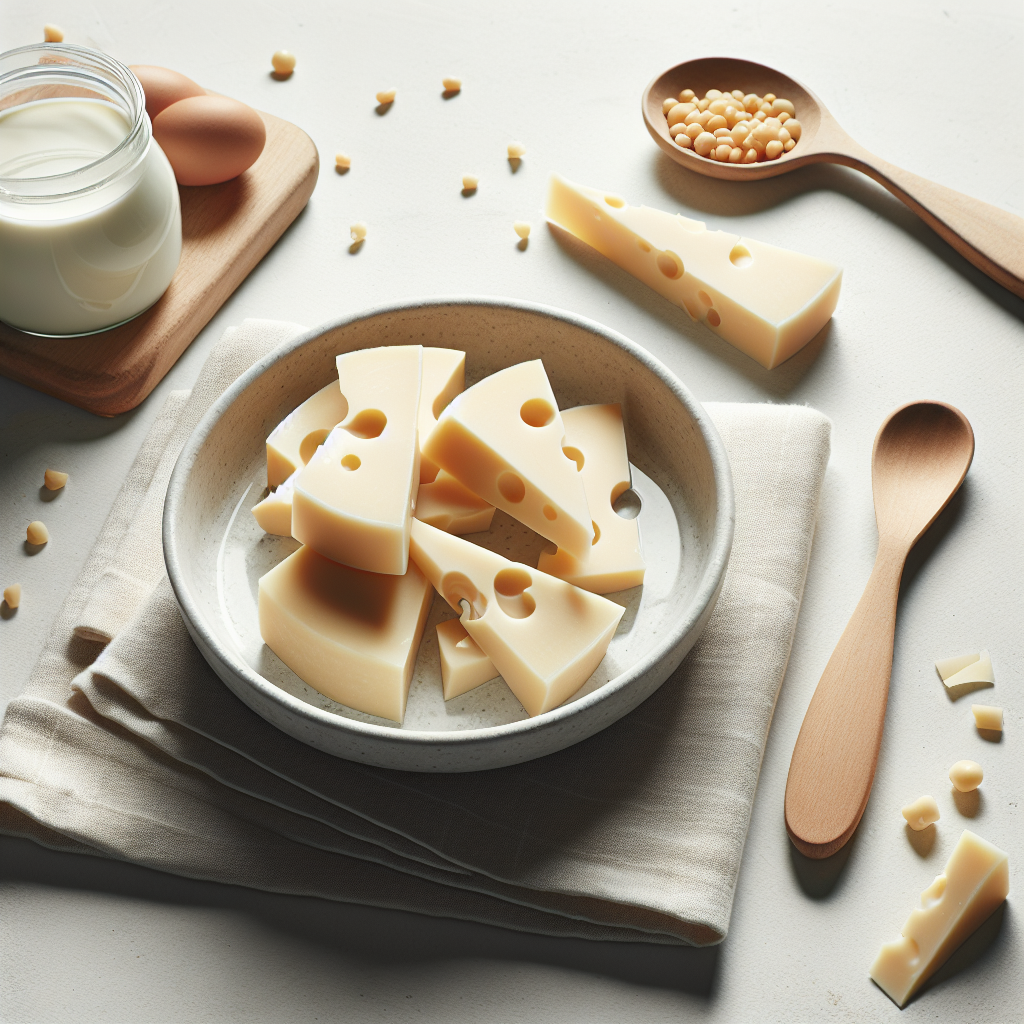
Cook halloumi slices until soft and golden, then cut into strips about the size of an adult finger (roughly 5cm long and 1–2cm wide) that your baby can hold in their fist with some sticking out to gnaw on. Serve on its own as a protein-rich finger food or alongside soft vegetables like roasted sweet potato. Offer only a small portion (one or two strips) due to the high sodium content, and ensure the halloumi has cooled to a safe temperature.
9–11 months
Continue offering cooked halloumi as finger-length strips, or cut into slightly smaller pieces as your baby's pincer grasp develops. You can serve halloumi strips alongside other finger foods such as cucumber sticks, soft fruits, or wholemeal toast. Keep portions small and infrequent to manage salt intake, and always supervise your baby whilst eating.
12–24 months
Serve cooked halloumi cut into bite-sized pieces or small cubes that your toddler can pick up with their fingers or practise with a fork. Halloumi can be added to mixed meals like grain bowls with vegetables or served as part of a balanced snack platter. Continue to offer halloumi only occasionally due to its high sodium content, and encourage drinking water alongside to support hydration.
Common questions about Halloumi strip cooked
Is halloumi too salty for babies?
Halloumi is very high in sodium, so it should only be offered occasionally and in small amounts. Choose plain halloumi without added flavourings and limit portions to keep salt intake within safe levels for babies.
How do I cook halloumi for baby-led weaning?
Grill, pan-fry, or bake halloumi slices until golden and softened, then cut into finger-sized strips that are easy for babies to grasp. Avoid adding oil or salt during cooking, and let the strips cool to a safe temperature before serving.
Can I give halloumi to my baby every day?
No, halloumi should only be offered occasionally due to its high salt content. Opt for lower-sodium dairy options like plain full-fat yogurt or unsalted cheese for regular dairy servings.