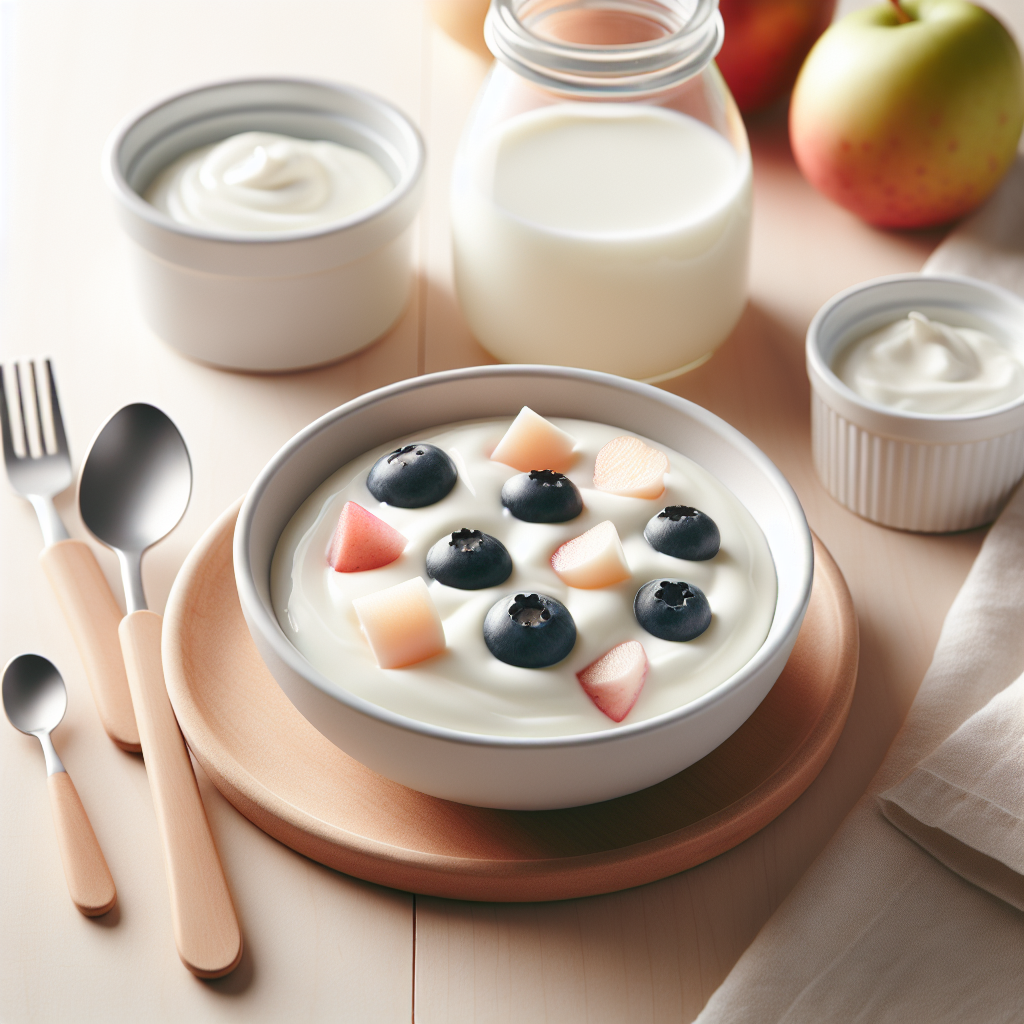
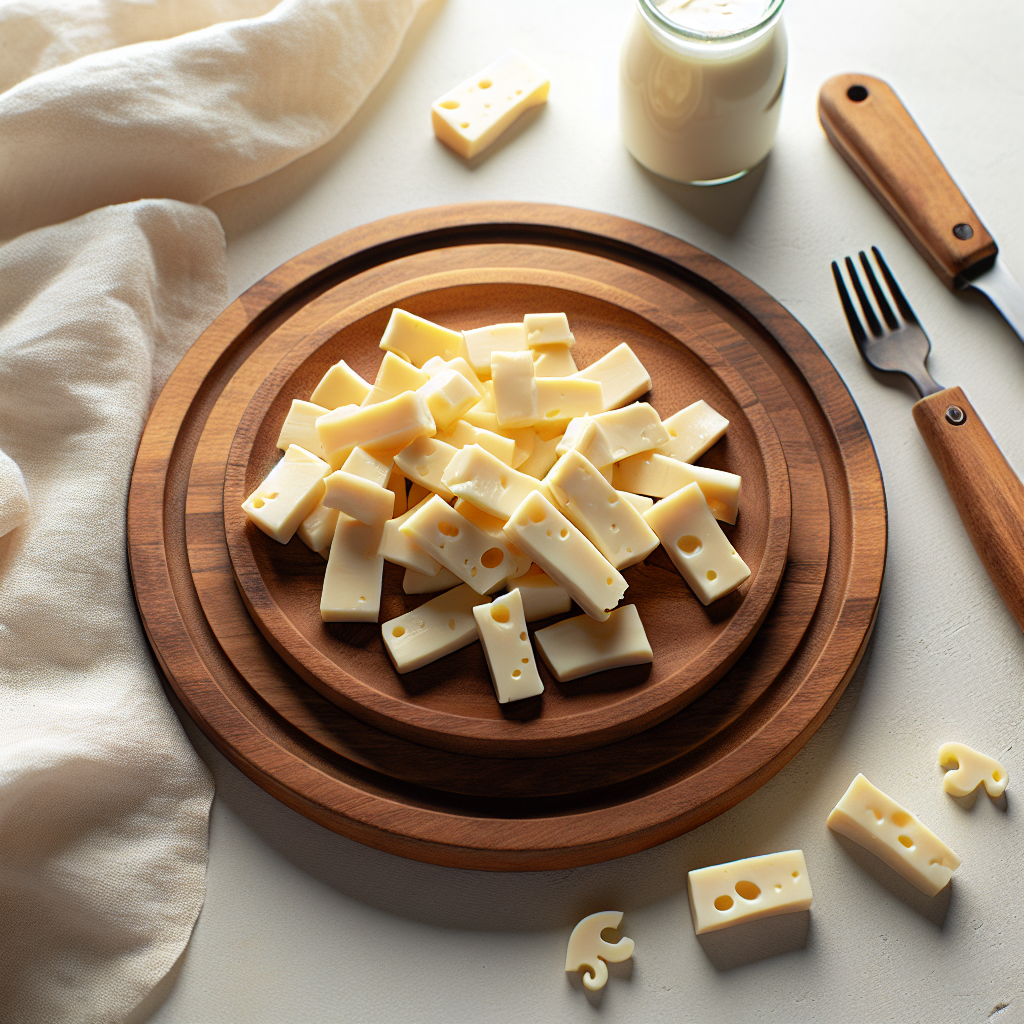
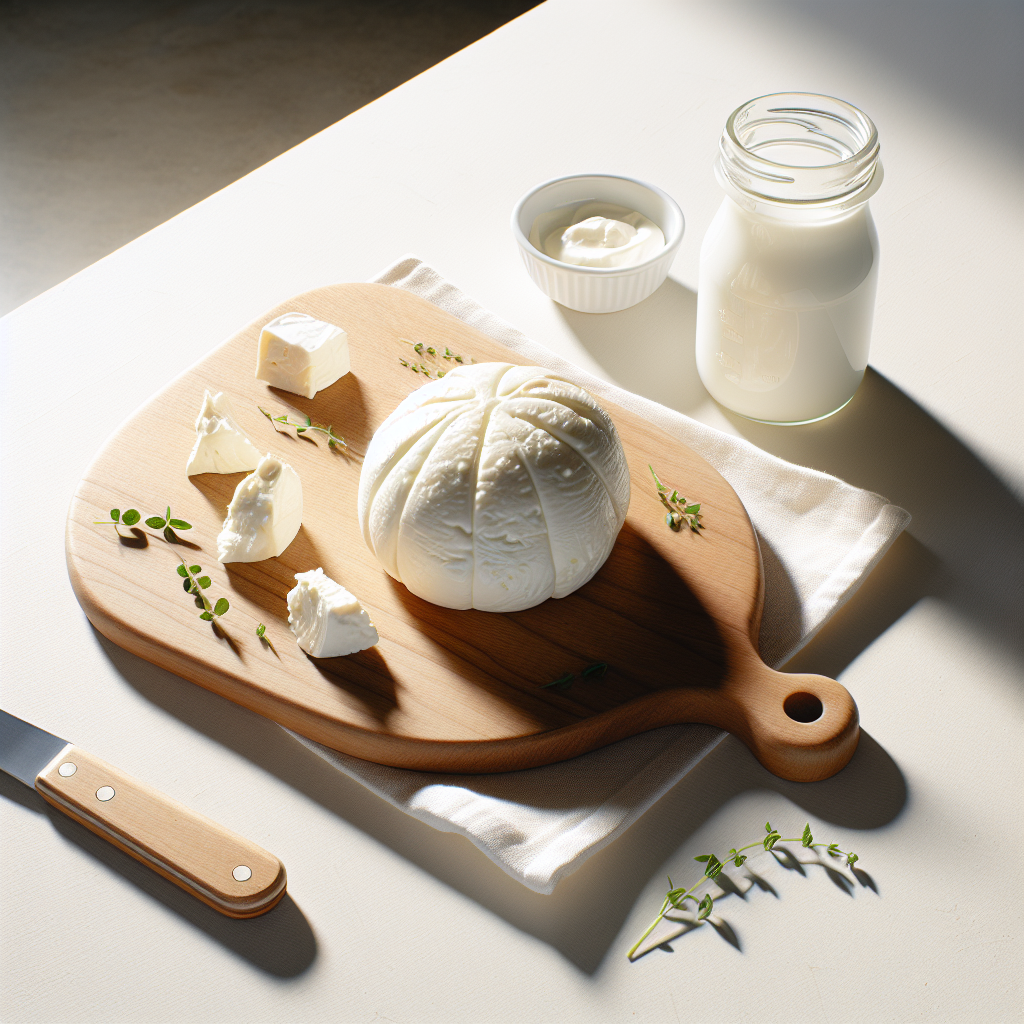
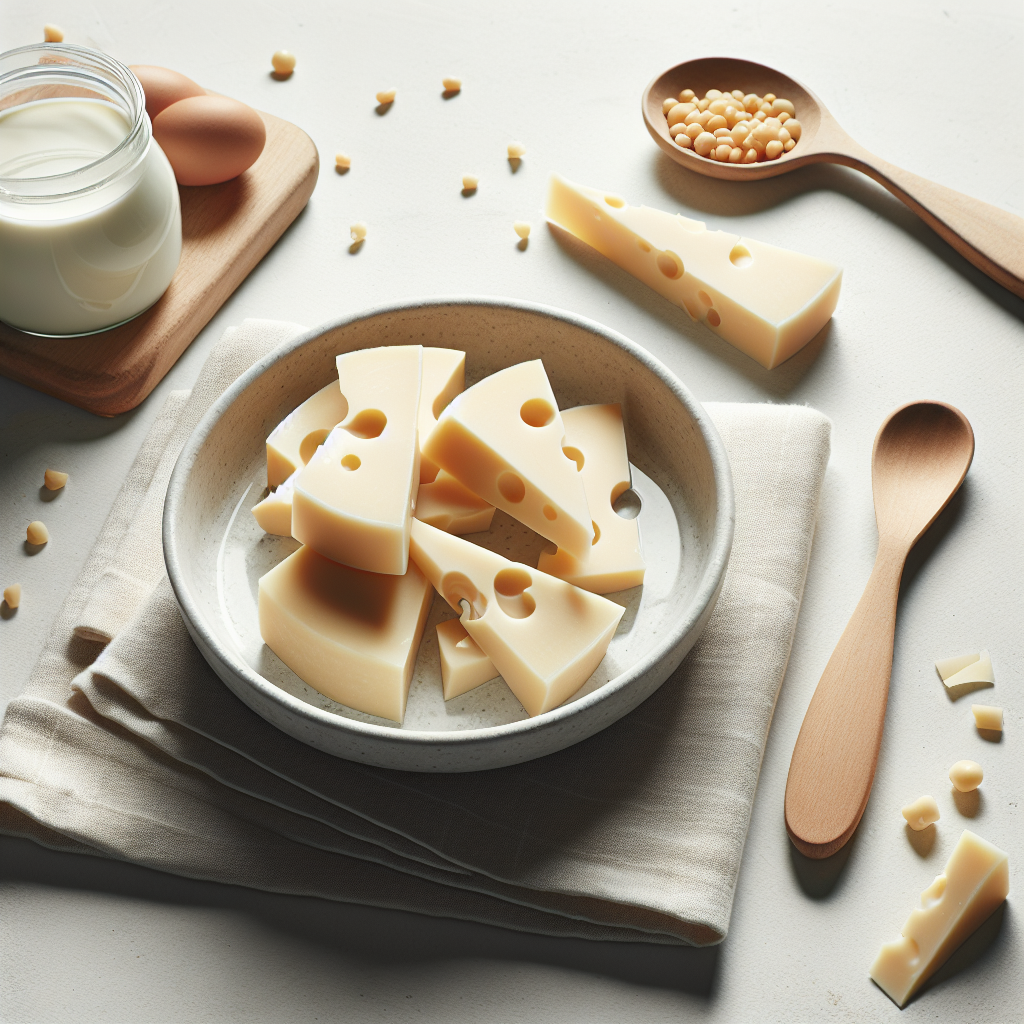
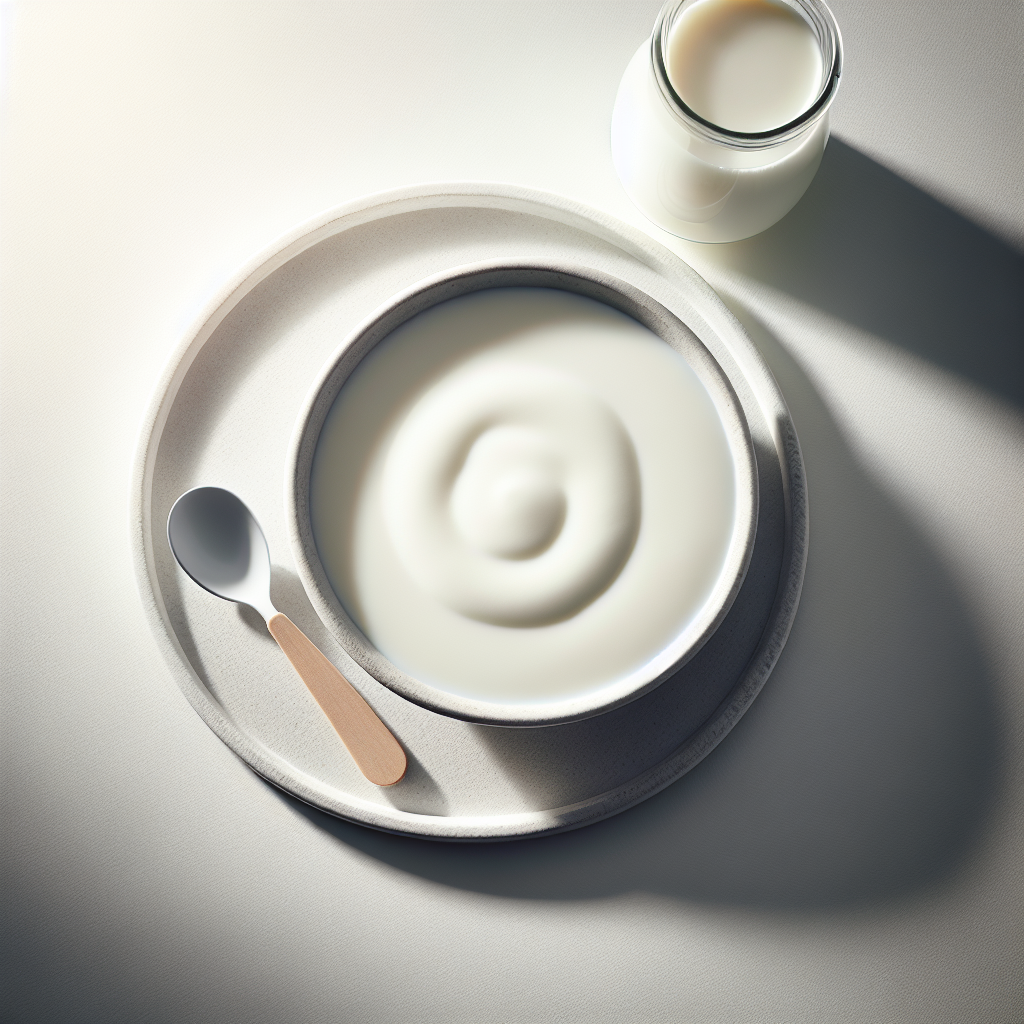
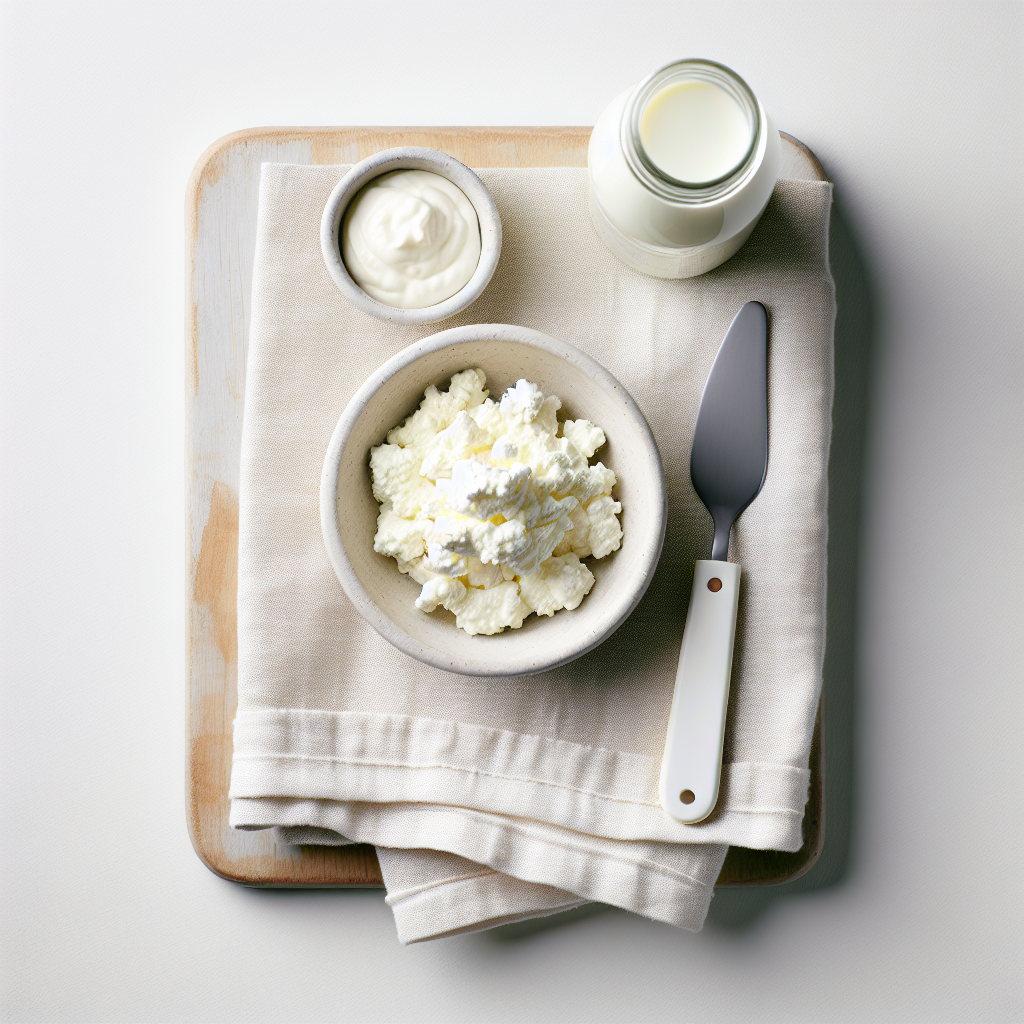
Whole milk plain yogurt may be introduced as soon as your baby is ready to start solid foods, which is generally around 6 months of age. While whole cow's milk should not be offered as a drink until 12 months, small amounts of full-fat dairy products like yogurt are appropriate from the start of weaning. Always watch for signs of cow's milk protein allergy when introducing dairy for the first time.
Is Whole milk yogurt plain healthy for babies?
Whole milk plain yogurt provides protein, calcium, phosphorus, and vitamin B12, all of which support growth, bone development, and energy metabolism. The full-fat content offers essential fatty acids important for brain development and helps babies absorb fat-soluble vitamins. Live cultures in yogurt may also support digestive health, and the fermentation process can make it easier to digest than fresh milk for some babies.
Lower-risk serving reminders
Whole milk plain yogurt has a low choking risk because of its smooth, soft texture that requires no chewing. The creamy consistency allows babies to manage it with their tongue and swallow safely, even at the earliest stages of eating.
Allergen information
Whole milk plain yogurt contains cow's milk, which is one of the most common food allergens in infants and young children. When introducing yogurt for the first time, watch for signs of an allergic reaction such as hives, vomiting, or digestive upset, and consider introducing dairy at home rather than at nursery.
Milk (dairy)
General feeding checklist
Seat baby upright and stable for all meals.
Model slow chewing and allow baby to control pace.
Stop and reset if baby is upset, tired, or over-stuffed.
Readiness signs to check
Baby can sit upright with minimal support during meals.
Hands and mouth coordinate for bringing food to the mouth.
Tongue-thrust reflex is reduced, so food is not immediately pushed out.
Interest in self-feeding and opening mouth for food cues is visible.
Pause and seek advice if
Coughing is persistent or distress does not settle quickly during meals.
You notice repeated vomiting, rash, swelling, wheeze, or breathing changes after a food.
Baby struggles with swallowing progression over multiple meals despite texture adjustments.
There is a known medical condition affecting feeding, growth, or airway safety.
Serve whole milk plain yogurt pre-loaded on a spoon for your baby to grab and bring to their mouth, or spread a thin layer on strips of toast for easier self-feeding. You can also offer it in a small bowl and let your baby dip their hands in, scoop, or use a pre-loaded spoon. Start with a few tablespoons at a time and watch for any signs of cow's milk protein allergy if this is the first dairy introduction.
9–11 months
Continue offering whole milk plain yogurt pre-loaded on a spoon or in a small bowl for scooping practice with hands or utensils. You can spread it thickly on finger foods like toast soldiers, mix it with mashed fruit or nut butters, or offer yogurt drops frozen on a tray for a teething-friendly option. Encourage self-feeding and expect mess as your baby develops their pincer grasp and spoon skills.
12–24 months
Offer whole milk plain yogurt in a bowl with a spoon for independent eating, or serve it alongside soft fruits, cooked grains, or a drizzle of nut or seed butter for added nutrition. Yogurt makes a convenient snack or breakfast option and can be stirred into porridge or used as a dip for vegetables and bread. Continue to choose plain varieties and sweeten naturally with fruit if desired, keeping added sugars to a minimum.
Common questions about Whole milk yogurt plain
Does yogurt need to be full-fat for babies
Yes, babies under 2 years need full-fat dairy products to support healthy growth and brain development. Low-fat or fat-free yogurt does not provide the essential fatty acids and calories that babies need.
Can I give my baby flavoured yogurt
Plain whole milk yogurt is best for babies as flavoured varieties often contain added sugars. You can add mashed fruit, nut or seed butters, or spices like cinnamon to plain yogurt if you wish to vary the taste.
How much yogurt can my baby eat in a day
There is no strict limit, but aim for a varied diet and avoid displacing breast milk or formula, which should remain the main source of nutrition in the first year. A few tablespoons to half a pot is typical for babies starting solids.