Lower-risk serving reminders
When properly softened with breast milk, formula, or another liquid, Weetabix becomes soft and mashable, which significantly reduces choking risk. The key is ensuring it's never served dry or in hard pieces.
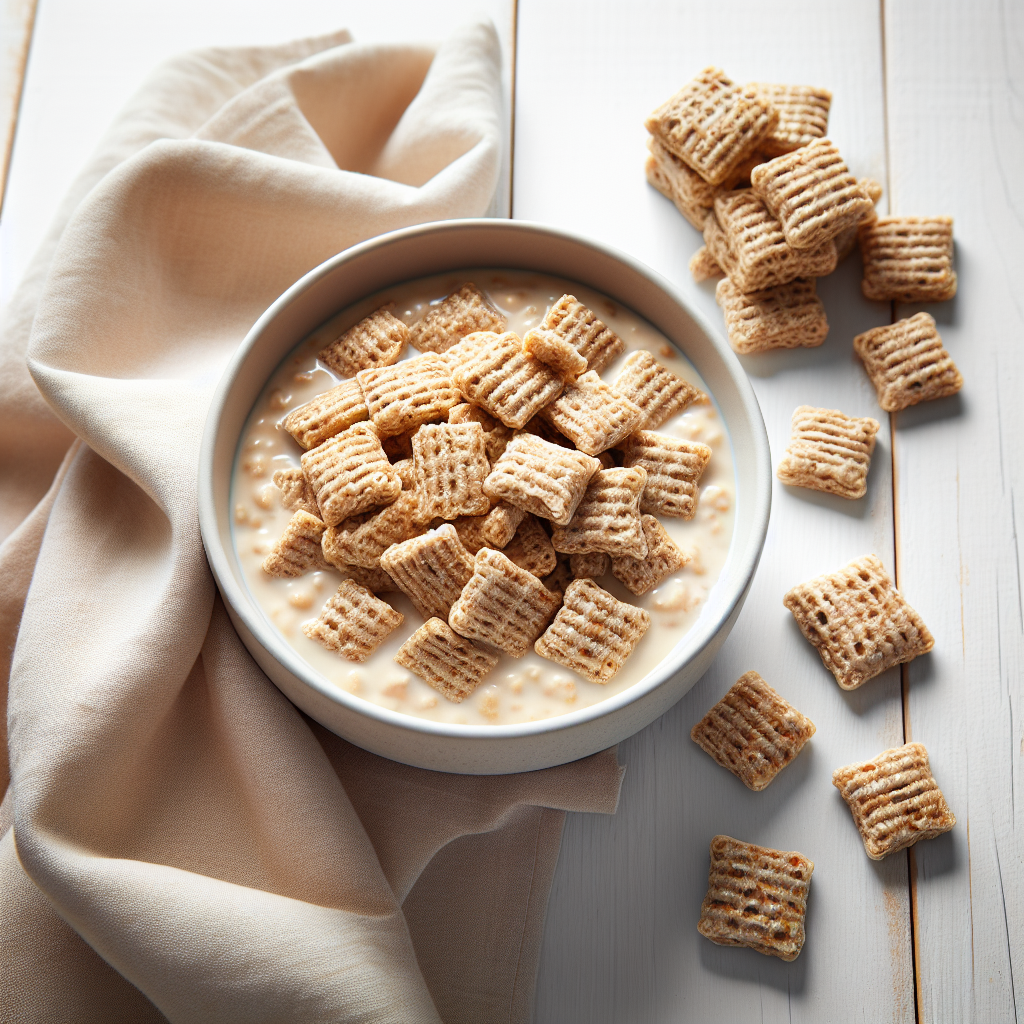
Weetabix softened can be introduced as soon as your baby is ready to start solid foods, which is typically around 6 months of age. It's important to soften the Weetabix thoroughly with liquid to create a safe texture for early eaters. Always ensure your baby is sitting upright and supervised during mealtimes.
Weetabix is fortified with iron, which is a crucial nutrient for babies as their natural iron stores begin to deplete around 6 months of age. It also provides B vitamins and fibre, which support energy production and digestive health. Whole wheat grains offer complex carbohydrates that provide sustained energy for growing babies.
When properly softened with breast milk, formula, or another liquid, Weetabix becomes soft and mashable, which significantly reduces choking risk. The key is ensuring it's never served dry or in hard pieces.
Weetabix contains wheat, which is one of the most common food allergens. It's recommended to introduce wheat-containing foods early and often, in age-appropriate amounts, to help reduce the risk of developing an allergy.
Detailed prep guidance tailored to each stage.
Soften one or two Weetabix biscuits thoroughly with breast milk, formula, cow's milk (if over 6 months for cooking), or water until completely soft and mashable. Mix in full-fat yoghurt, mashed banana, or nut butter to create a thicker consistency that holds together on a pre-loaded spoon. You can also form the softened mixture into a thick patty or log shape that your baby can hold and munch on.
Continue to soften Weetabix well, but you can leave the texture slightly looser to encourage spoon practice. Offer it in a bowl with a pre-loaded spoon for your baby to bring to their mouth, and place another spoon nearby for independent scooping attempts. You can also shape softened Weetabix into small balls or thick fingers that are easier for developing pincer grasp.
At this age, you can offer Weetabix softened to a consistency your toddler can manage with a spoon independently, whether that's thicker or looser depending on their preference. You might also try making Weetabix fingers by mixing softened biscuits with mashed banana or egg, then baking until firm enough to hold. Gradually introduce a wider variety of toppings like berries, seeds, or nut butters to expand flavour experiences.