Baby-led weaning · age-specific guide
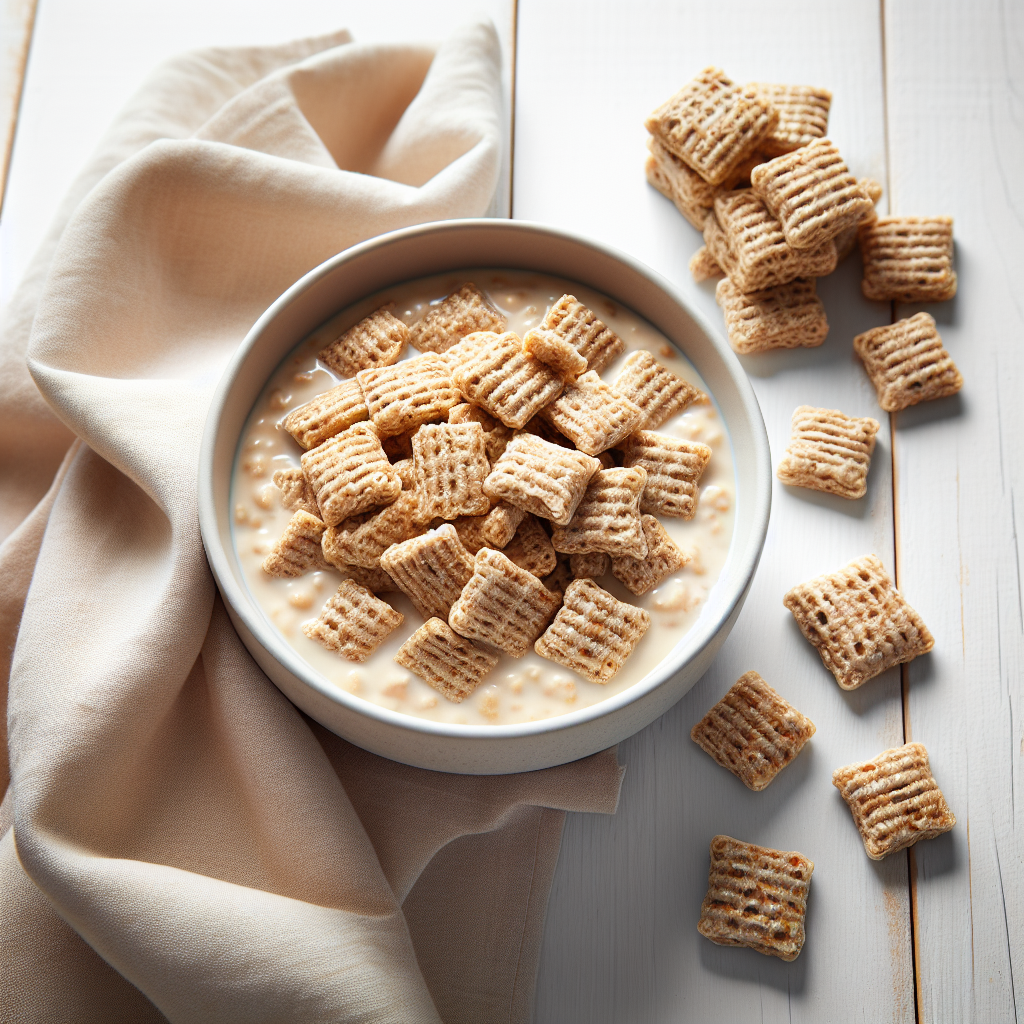
Weetabix softened for 12–24 months
Weetabix softened can be introduced as soon as your baby is ready to start solid foods, which is typically around 6 months of age. It's important to soften the Weetabix thoroughly with liquid to create a safe texture for early eaters. Always ensure your baby is sitting upright and supervised during mealtimes.
How to serve at 12–24 months
At this age, you can offer Weetabix softened to a consistency your toddler can manage with a spoon independently, whether that's thicker or looser depending on their preference. You might also try making Weetabix fingers by mixing softened biscuits with mashed banana or egg, then baking until firm enough to hold. Gradually introduce a wider variety of toppings like berries, seeds, or nut butters to expand flavour experiences.
Nutrition highlights
Weetabix is fortified with iron, which is a crucial nutrient for babies as their natural iron stores begin to deplete around 6 months of age. It also provides B vitamins and fibre, which support energy production and digestive health. Whole wheat grains offer complex carbohydrates that provide sustained energy for growing babies.
Lower-risk serving reminders
When properly softened with breast milk, formula, or another liquid, Weetabix becomes soft and mashable, which significantly reduces choking risk. The key is ensuring it's never served dry or in hard pieces.
Allergen information
Weetabix contains wheat, which is one of the most common food allergens. It's recommended to introduce wheat-containing foods early and often, in age-appropriate amounts, to help reduce the risk of developing an allergy.
Wheat / gluten
Common questions
How much liquid should I use to soften Weetabix for my baby
Use enough breast milk, formula, or water to create a soft, mashable consistency that holds together on a spoon but isn't runny. Start with about 60–90ml of liquid per Weetabix biscuit and adjust as needed.
Can I add fruit or yoghurt to Weetabix for my baby
Yes, adding mashed fruit, yoghurt, or nut butter (if no allergy) can enhance flavour, nutrition, and texture. These additions also help bind the cereal and make it easier for babies to self-feed.
Does Weetabix contain added sugar
Weetabix contains a small amount of sugar naturally present in the ingredients, but it is not considered a high-sugar cereal. It's a suitable choice for babies when served as part of a balanced diet.
General feeding checklist
- Seat baby upright and stable for all meals.
- Model slow chewing and allow baby to control pace.
- Stop and reset if baby is upset, tired, or over-stuffed.
Readiness signs to check
- Baby can sit upright with minimal support during meals.
- Hands and mouth coordinate for bringing food to the mouth.
- Tongue-thrust reflex is reduced, so food is not immediately pushed out.
- Interest in self-feeding and opening mouth for food cues is visible.
Pause and seek advice if
- Coughing is persistent or distress does not settle quickly during meals.
- You notice repeated vomiting, rash, swelling, wheeze, or breathing changes after a food.
- Baby struggles with swallowing progression over multiple meals despite texture adjustments.
- There is a known medical condition affecting feeding, growth, or airway safety.
Other ages: 6–8 months · 9–11 months