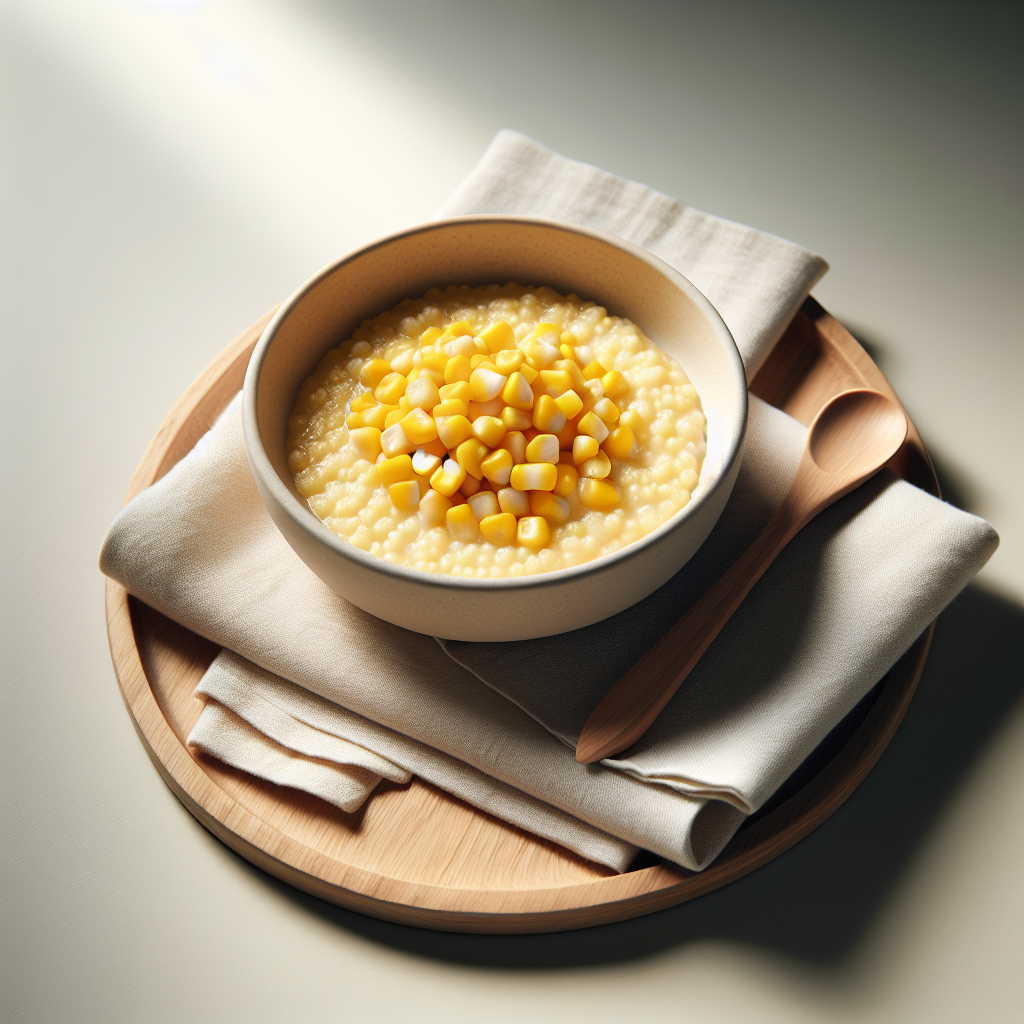
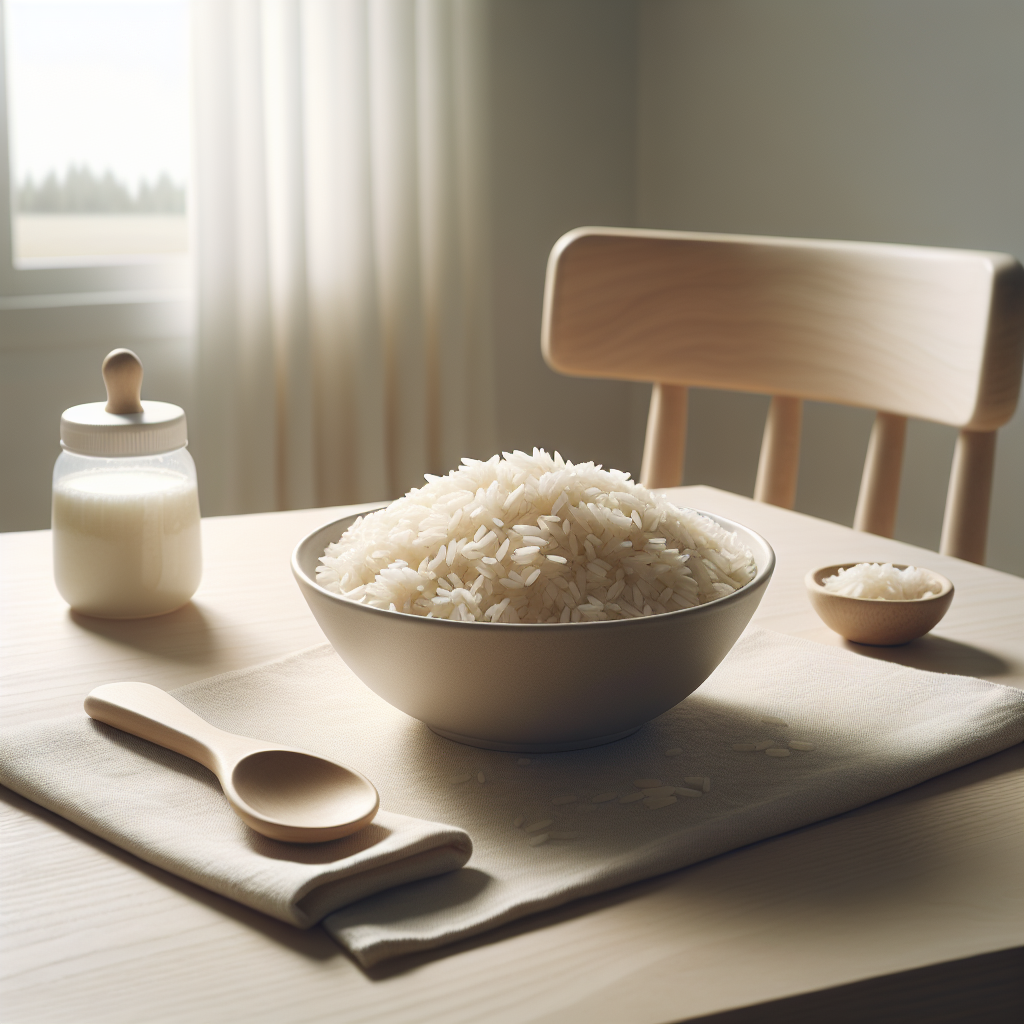
Corn grits can be introduced as soon as your baby is ready to start solid foods, which is typically around 6 months of age. As with all new foods, ensure your baby shows signs of developmental readiness, including sitting up with minimal support and bringing objects to their mouth. Corn grits are naturally soft when cooked, making them a suitable early food for baby-led weaning.
Is Corn grits healthy for babies?
Corn grits provide carbohydrates for energy and contain small amounts of B vitamins, which support baby's growth and development. They also offer some fibre to support healthy digestion. While corn grits are not particularly high in iron or protein, they can be paired with nutrient-dense foods like eggs, yogurt, or nut butters to create a more balanced meal.
Lower-risk serving reminders
Corn grits have a low choking risk because they become very soft and porridge-like when properly cooked. The fine, granular texture breaks down easily in the mouth and poses minimal risk when prepared to the right consistency.
Allergen introduction checklist
Corn grits are not classified as a common allergen and corn allergy is relatively rare. However, any food can potentially cause an allergic reaction, so introduce corn grits on their own and watch for signs such as hives, vomiting, or difficulty breathing.
General feeding checklist
Seat baby upright and stable for all meals.
Model slow chewing and allow baby to control pace.
Stop and reset if baby is upset, tired, or over-stuffed.
Readiness signs to check
Baby can sit upright with minimal support during meals.
Hands and mouth coordinate for bringing food to the mouth.
Tongue-thrust reflex is reduced, so food is not immediately pushed out.
Interest in self-feeding and opening mouth for food cues is visible.
Pause and seek advice if
Coughing is persistent or distress does not settle quickly during meals.
You notice repeated vomiting, rash, swelling, wheeze, or breathing changes after a food.
Baby struggles with swallowing progression over multiple meals despite texture adjustments.
There is a known medical condition affecting feeding, growth, or airway safety.
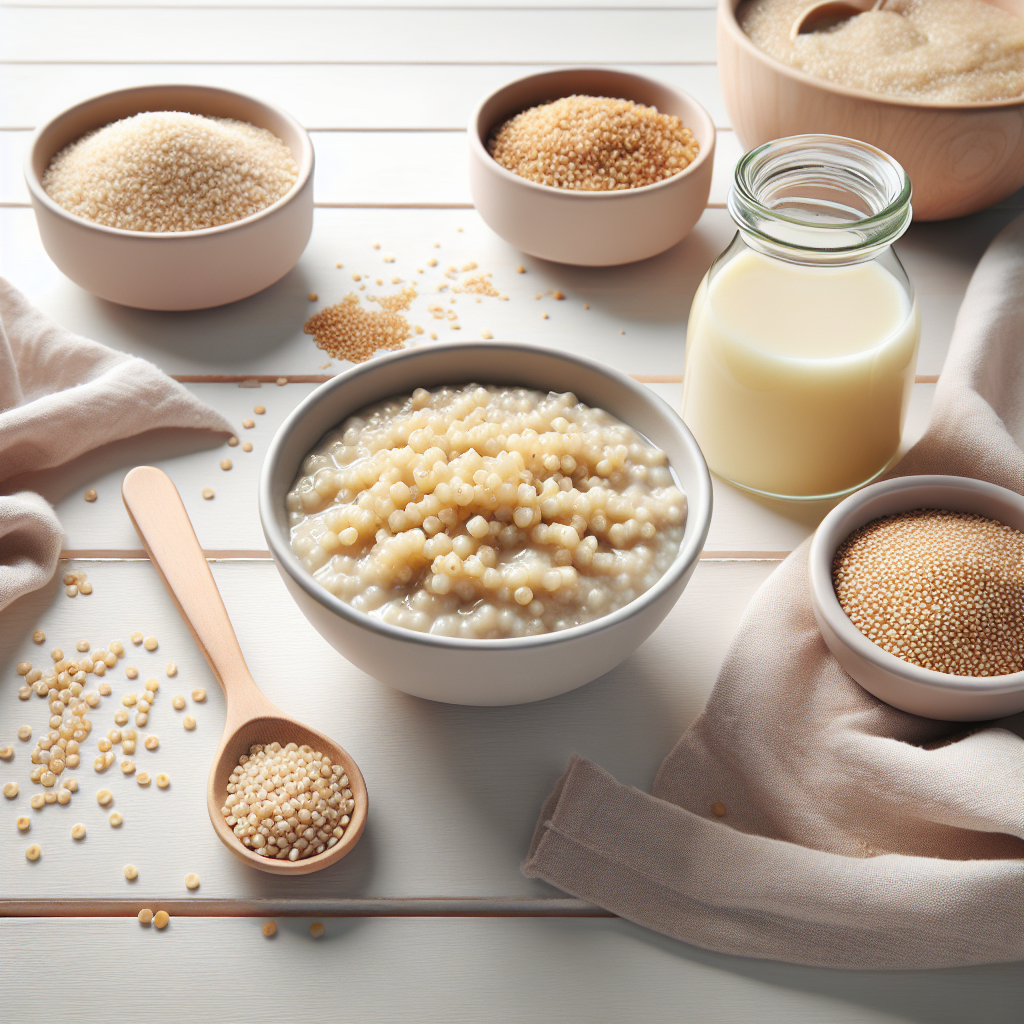
Cook corn grits until very soft and porridge-like, using a ratio that creates a thick, creamy consistency. If the grits are too loose, mix them with breast milk, formula, yogurt, or mashed banana to help them hold together on a spoon. Serve on a preloaded spoon for baby to bring to their mouth, or allow baby to scoop with their hands if they prefer.
9–11 months
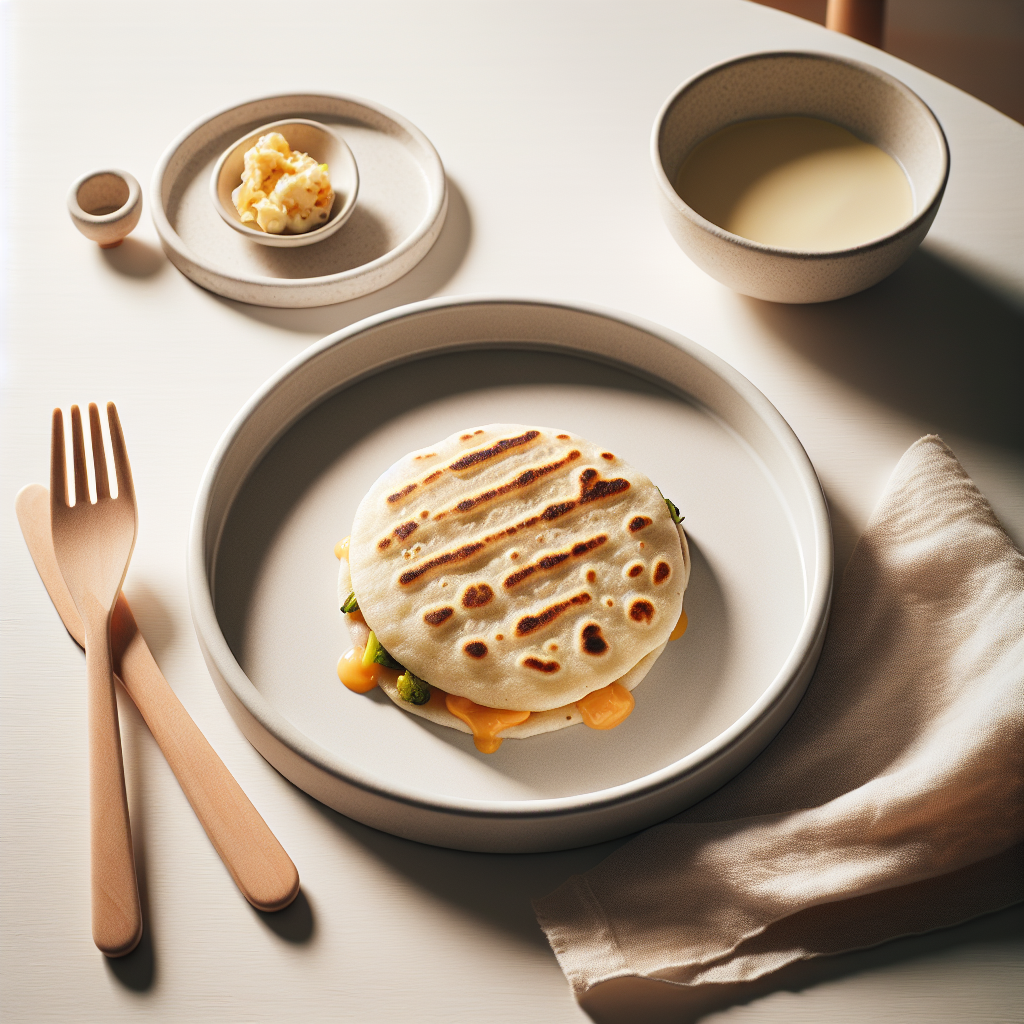
Continue serving corn grits as a thick porridge that baby can scoop with their fingers or a preloaded spoon. You can also shape cooked, cooled grits into soft patties or fingers that are easy for baby to hold and self-feed. Mix in finely chopped vegetables, cheese, or cooked egg to add flavour and nutrition.
12–24 months
Serve corn grits as a thick porridge or shape into finger foods like grits cakes or lightly pan-fried patties that toddlers can pick up independently. At this age, you can gradually introduce grits with a slightly looser consistency as your toddler's utensil skills improve. Offer alongside other family foods and encourage self-feeding with child-safe cutlery.
Common questions about Corn grits
Are corn grits and polenta the same thing?
Corn grits and polenta are both made from ground corn, though they may differ slightly in grind size and regional terminology. Both can be prepared in similar ways for babies.
Can I use instant corn grits for my baby?
Traditional corn grits are preferable to instant varieties, as instant versions may contain added salt or other ingredients. Always check the label and choose plain, unsalted grits.
How do I make corn grits thick enough for baby-led weaning?
Cook corn grits with less liquid than usual or let them cool and thicken after cooking. You can also mix them with yogurt, mashed avocado, or ground seeds to create a more scoopable texture.