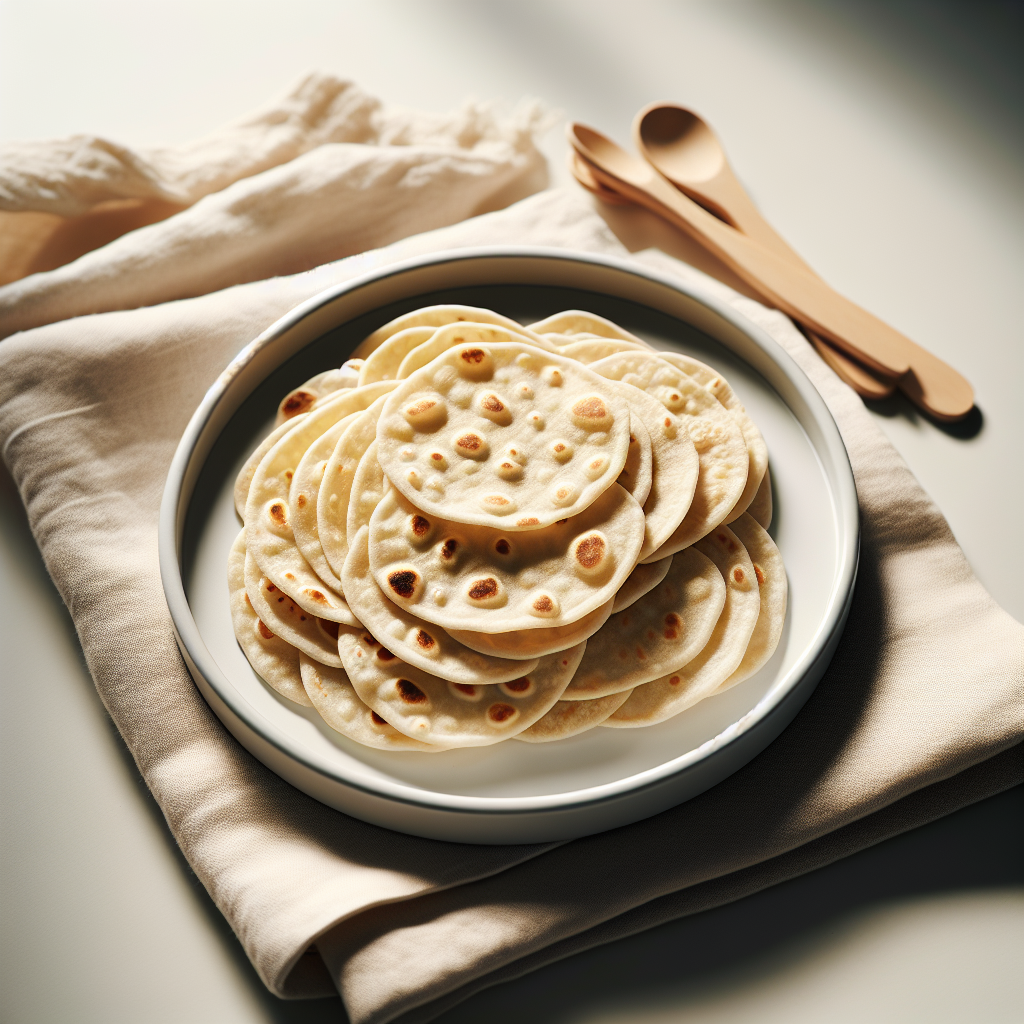
Chapati can be introduced from around 6 months of age, as soon as your baby is ready to start solid foods. Choose soft, freshly made chapati that tears easily and bends without cracking, as this texture is safer and easier for babies to manage. Avoid dry, brittle, or stale chapati, which can pose a greater choking risk.
Is Chapati soft healthy for babies?
Chapati provides carbohydrates for energy, which supports your baby's growth and activity levels. Wholemeal or whole wheat chapati offers more fibre than white varieties, aiding digestion and promoting healthy bowel movements. Chapati also contains small amounts of B vitamins and minerals, though it is not a significant source of iron or protein on its own.
Lower-risk serving reminders
Soft chapati has a low choking risk because it becomes soft and mashable when chewed or gummed, breaking down easily in the mouth. Its pliable texture also means it is less likely to form hard lumps that could obstruct the airway.
Allergen introduction checklist
Chapati made from wheat flour contains gluten, which is a common allergen. Introduce wheat as you would any other allergen, in small amounts and watching for signs of a reaction such as hives, swelling, vomiting, or breathing difficulties.
General feeding checklist
Seat baby upright and stable for all meals.
Model slow chewing and allow baby to control pace.
Stop and reset if baby is upset, tired, or over-stuffed.
Readiness signs to check
Baby can sit upright with minimal support during meals.
Hands and mouth coordinate for bringing food to the mouth.
Tongue-thrust reflex is reduced, so food is not immediately pushed out.
Interest in self-feeding and opening mouth for food cues is visible.
Pause and seek advice if
Coughing is persistent or distress does not settle quickly during meals.
You notice repeated vomiting, rash, swelling, wheeze, or breathing changes after a food.
Baby struggles with swallowing progression over multiple meals despite texture adjustments.
There is a known medical condition affecting feeding, growth, or airway safety.
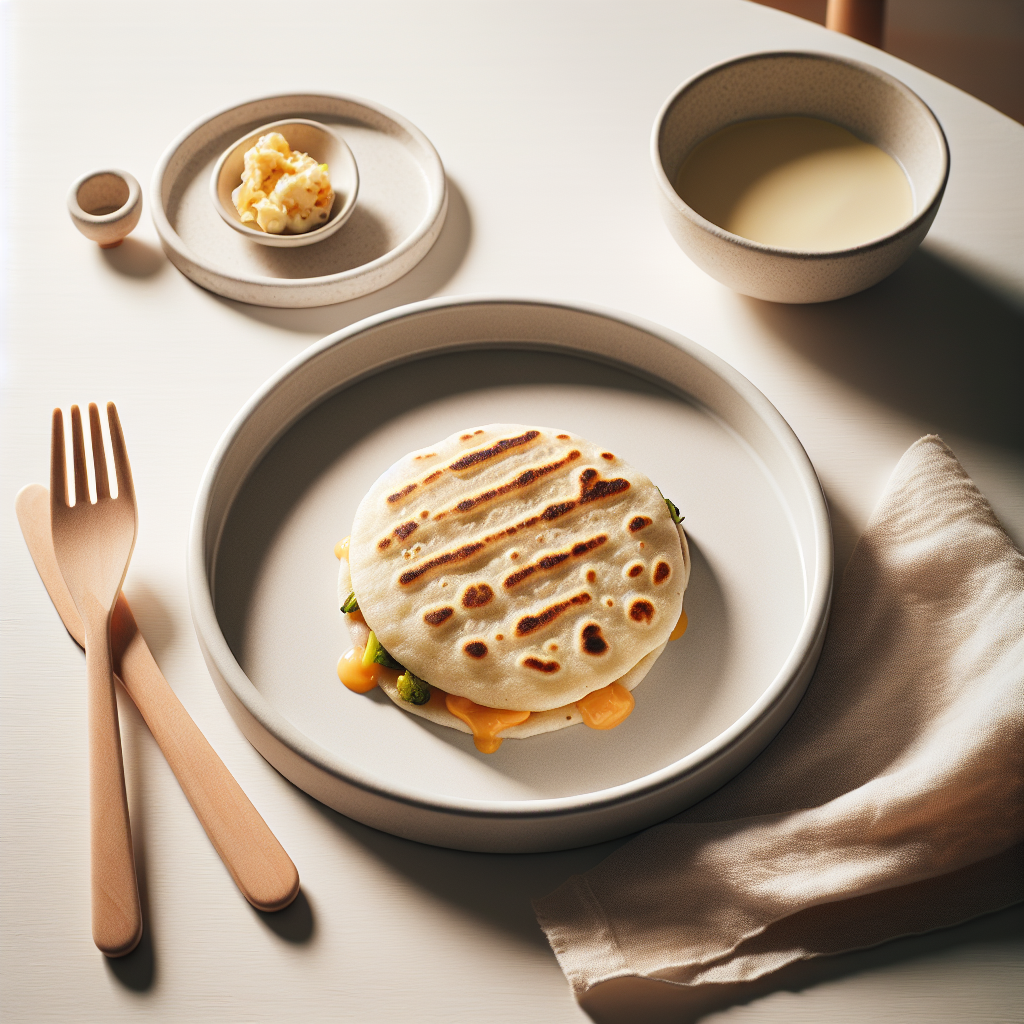
Tear soft chapati into strips roughly the size of two adult fingers placed together, so your baby can hold one end and gnaw on the other. Ensure the chapati is freshly made and pliable, not dry or hard. Serve plain or spread thinly with hummus, mashed avocado, or smooth nut butter to add moisture and nutrients.
9–11 months
Continue offering soft chapati in strips, or tear into smaller bite-sized pieces as your baby develops their pincer grasp. You can also roll chapati around soft fillings like mashed lentils or cooked vegetables to create small wraps. Encourage self-feeding and offer a variety of textures alongside chapati to support developing chewing skills.
12–24 months
Offer soft chapati in strips, torn pieces, or small triangles that your toddler can pick up independently. Chapati can be served as part of a balanced meal alongside protein, vegetables, and healthy fats. You can also introduce slightly firmer chapati as your toddler's chewing ability improves, but continue to supervise during meals.
Common questions about Chapati soft
Can I give my 6-month-old chapati?
Yes, soft chapati can be offered from 6 months as long as it is freshly made, pliable, and tears easily. Avoid dry or stale chapati, which can be harder to manage.
How do I serve chapati for baby-led weaning?
Tear or cut soft chapati into strips about the length of your baby's fist so they can hold it easily. You can also spread it with hummus, mashed avocado, or nut butter to add nutrition and moisture.
Is chapati better than bread for babies?
Both chapati and bread can be part of a healthy diet for babies. Chapati is often lower in salt and added ingredients, but check labels or recipes to ensure minimal salt content.