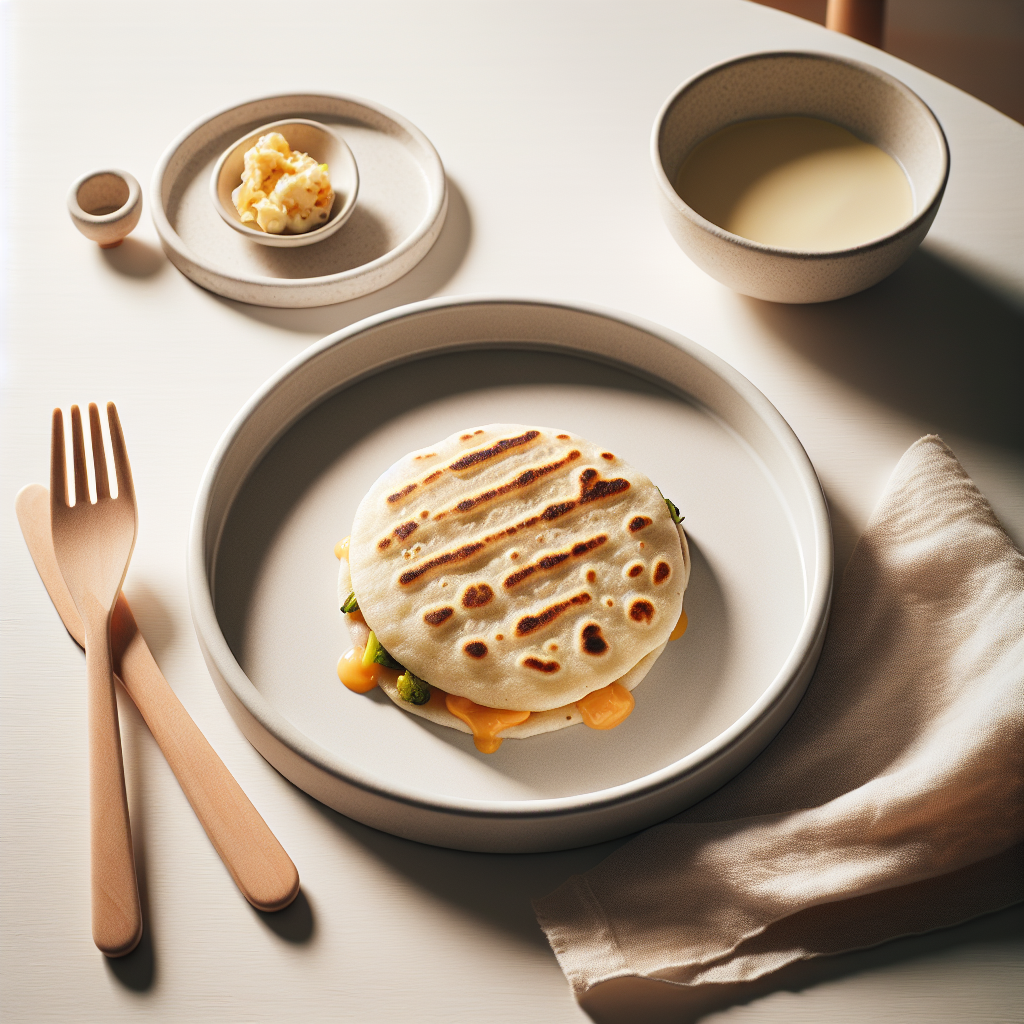
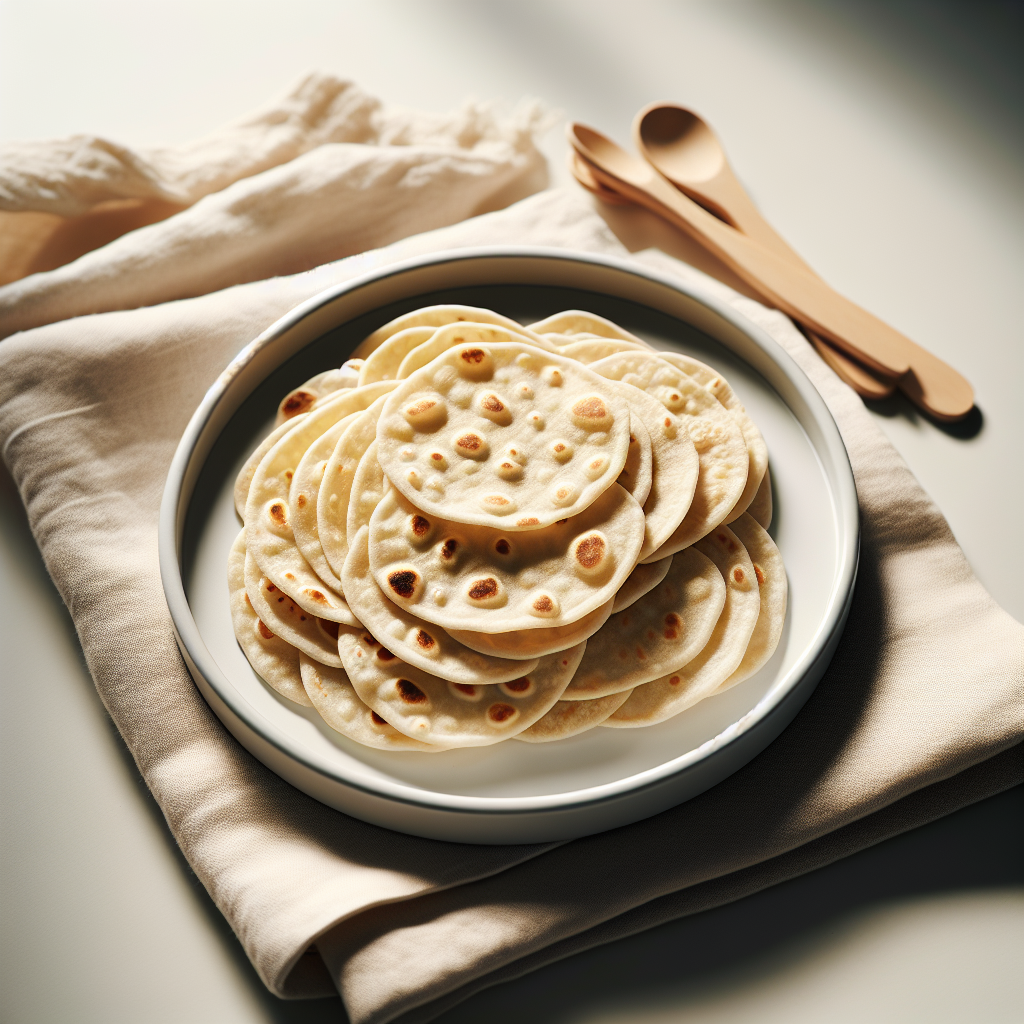
Arepas can be introduced as soon as your baby is ready to start solid foods, which is typically around 6 months of age. Soft arepas are naturally gentle and easy for babies to gum, making them a suitable early food for baby-led weaning. Always ensure the arepa is cooked until completely soft and easy to squash between your fingers before offering it to your baby.
Is Arepa soft healthy for babies?
Arepas provide carbohydrates for energy, which support your baby's growth and activity levels. Maize flour contains small amounts of fibre, B vitamins, and minerals like magnesium and phosphorus that contribute to overall health. Pairing arepas with protein-rich foods like beans, cheese, or avocado can create a more balanced meal for your baby.
Lower-risk serving reminders
Soft arepas have a low choking risk because they are moist, tender, and break apart easily in the mouth when properly prepared. Their texture allows babies to chew or gum them safely without forming hard or sticky pieces that could obstruct the airway.
Allergen introduction checklist
Arepas made from maize flour are not a common allergen and do not contain any of the major allergens such as wheat, dairy, eggs, or nuts. However, always check any additional ingredients used in preparation, as fillings or toppings may introduce allergens.
General feeding checklist
Seat baby upright and stable for all meals.
Model slow chewing and allow baby to control pace.
Stop and reset if baby is upset, tired, or over-stuffed.
Readiness signs to check
Baby can sit upright with minimal support during meals.
Hands and mouth coordinate for bringing food to the mouth.
Tongue-thrust reflex is reduced, so food is not immediately pushed out.
Interest in self-feeding and opening mouth for food cues is visible.
Pause and seek advice if
Coughing is persistent or distress does not settle quickly during meals.
You notice repeated vomiting, rash, swelling, wheeze, or breathing changes after a food.
Baby struggles with swallowing progression over multiple meals despite texture adjustments.
There is a known medical condition affecting feeding, growth, or airway safety.
Cook the arepa until it is completely soft and easy to squash between your fingers. Cut it into thick strips about the size of two adult fingers placed together so your baby can grasp it easily with their whole hand, leaving a portion sticking out to chew on. You can serve the arepa plain or topped with a thin layer of mashed avocado, refried beans, or full-fat yoghurt to add moisture and nutrients.
9–11 months
Continue offering soft arepas cut into wide strips or smaller pieces about the size of a dice as your baby develops their pincer grasp. You can also serve a whole small arepa (ensuring it remains very soft) so your baby can practise biting pieces off. Try spreading the arepa with hummus, nut or seed butter (thinned if necessary), or mashed beans to introduce complementary flavours and textures.
12–24 months
At this age, your toddler can manage soft arepas cut into bite-sized pieces or even a whole soft arepa, depending on their chewing skills. You can lightly toast the arepa for added texture if your child is ready, though keep it soft enough to chew easily. Arepas can now be filled or served alongside family foods like scrambled eggs, cheese, shredded meats, or sautéed vegetables.
Common questions about Arepa soft
Can I make arepas with shop-bought arepa flour for my baby?
Yes, shop-bought arepa flour (often labelled as masarepa or pre-cooked maize flour) is suitable for babies as long as it contains no added salt or additives. Mix with water or milk to form soft, well-cooked patties.
Do I need to add salt when making arepas for my baby?
No, avoid adding salt to arepas for babies under 12 months, as their kidneys are still developing. After 12 months, you can add a small pinch if desired, but it's best to keep sodium intake minimal.
What can I serve with soft arepas for baby-led weaning?
Arepas pair well with mashed avocado, refried beans, scrambled egg, or shredded chicken. These combinations add protein, healthy fats, and variety to your baby's meal.