Lower-risk serving reminders
Peaches carry a low choking risk when they are ripe, soft, and cut appropriately for your baby's age and stage. Their juicy, tender flesh breaks down easily in the mouth, making them safer than firm or hard fruits.
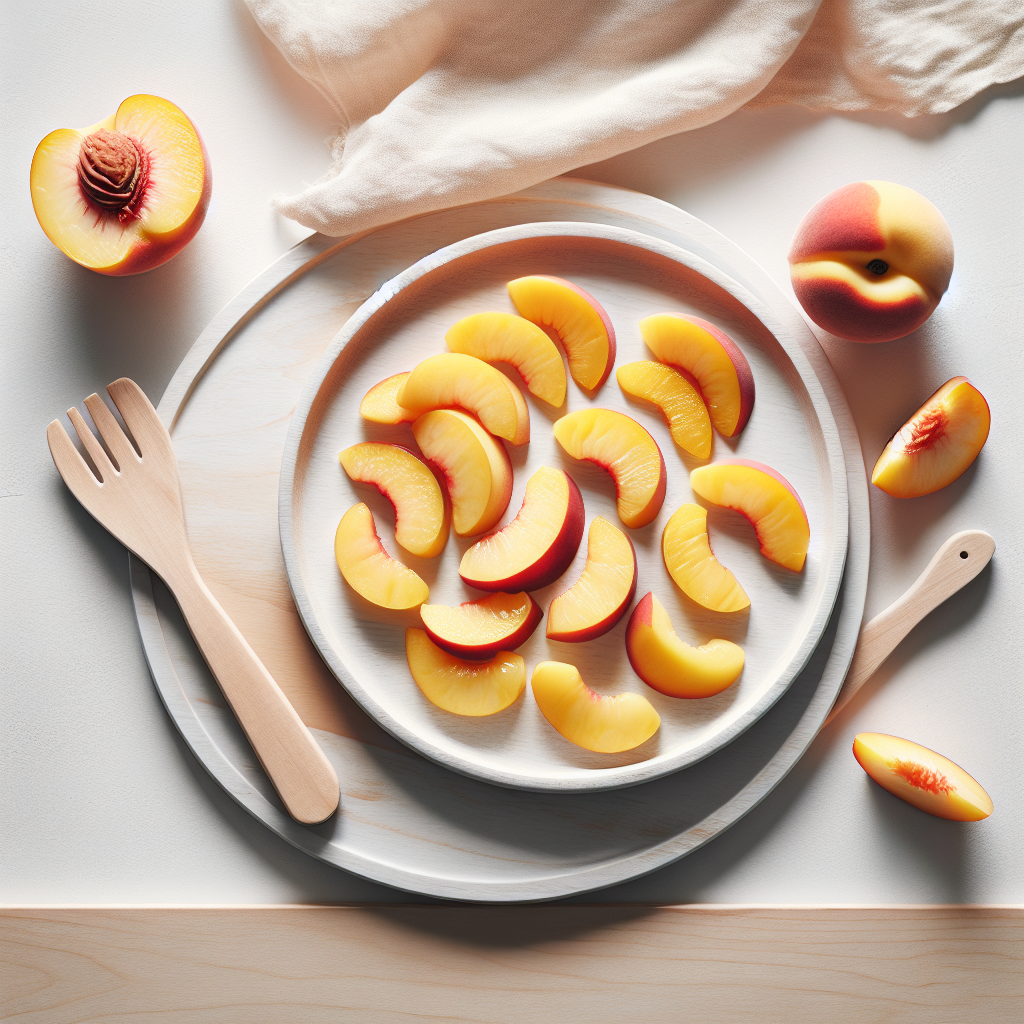
Peaches may be introduced as soon as your baby is ready to start solid foods, which is generally around 6 months of age. Choose ripe, soft peaches that yield to gentle pressure, as these are easiest for babies to gum and swallow. Always ensure the fruit is properly prepared to minimise any risk and support your baby's developing eating skills.
Peaches offer vitamin C, which supports immune function and helps with iron absorption from other foods. They also provide vitamin A for healthy vision and skin development, as well as dietary fibre to support digestion. The natural sweetness and high water content make peaches a hydrating and nutritious choice for babies.
Peaches carry a low choking risk when they are ripe, soft, and cut appropriately for your baby's age and stage. Their juicy, tender flesh breaks down easily in the mouth, making them safer than firm or hard fruits.
Peaches are not considered a common allergen and are generally well tolerated by babies. However, some children with pollen allergies may experience oral allergy syndrome, which can cause mild itching or tingling in the mouth after eating raw peaches.
Detailed prep guidance tailored to each stage.
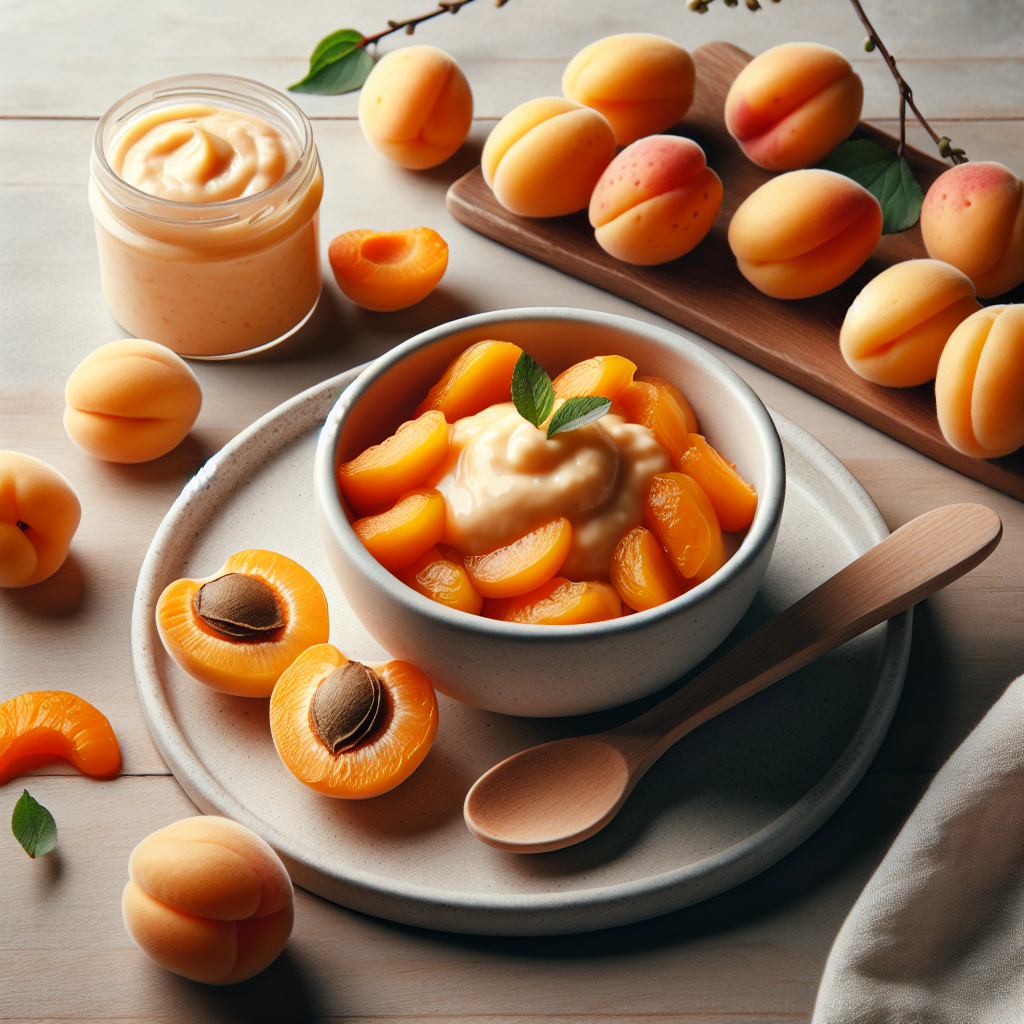
Offer ripe, very soft peaches cut into large pieces that your baby can hold in their fist with some fruit sticking out for them to gnaw on. Wide wedges with the pit removed work well, roughly the size of two adult fingers placed side by side. If the skin is tough or your baby struggles with it, peel the peach before serving to make it easier to manage.
Cut ripe, soft peaches into strips or smaller pieces that your baby can pick up with their developing pincer grasp. You can offer thin slices or bite-sized pieces, ensuring the fruit remains soft enough to squish between your fingers. Continue to remove the pit and peel the skin if it is still difficult for your baby to chew.
Serve ripe peaches in bite-sized pieces that your toddler can easily manage with a fork or their fingers. You can offer small wedges, cubes, or slices depending on their preference and chewing ability. Continue to check that peaches are soft and always supervise mealtimes, as even older toddlers benefit from careful monitoring.