Lower-risk serving reminders
Dragon fruit has a low choking risk because its flesh is soft and moist when ripe, breaking down easily in the mouth. The small seeds within the fruit are soft and do not present a choking hazard.
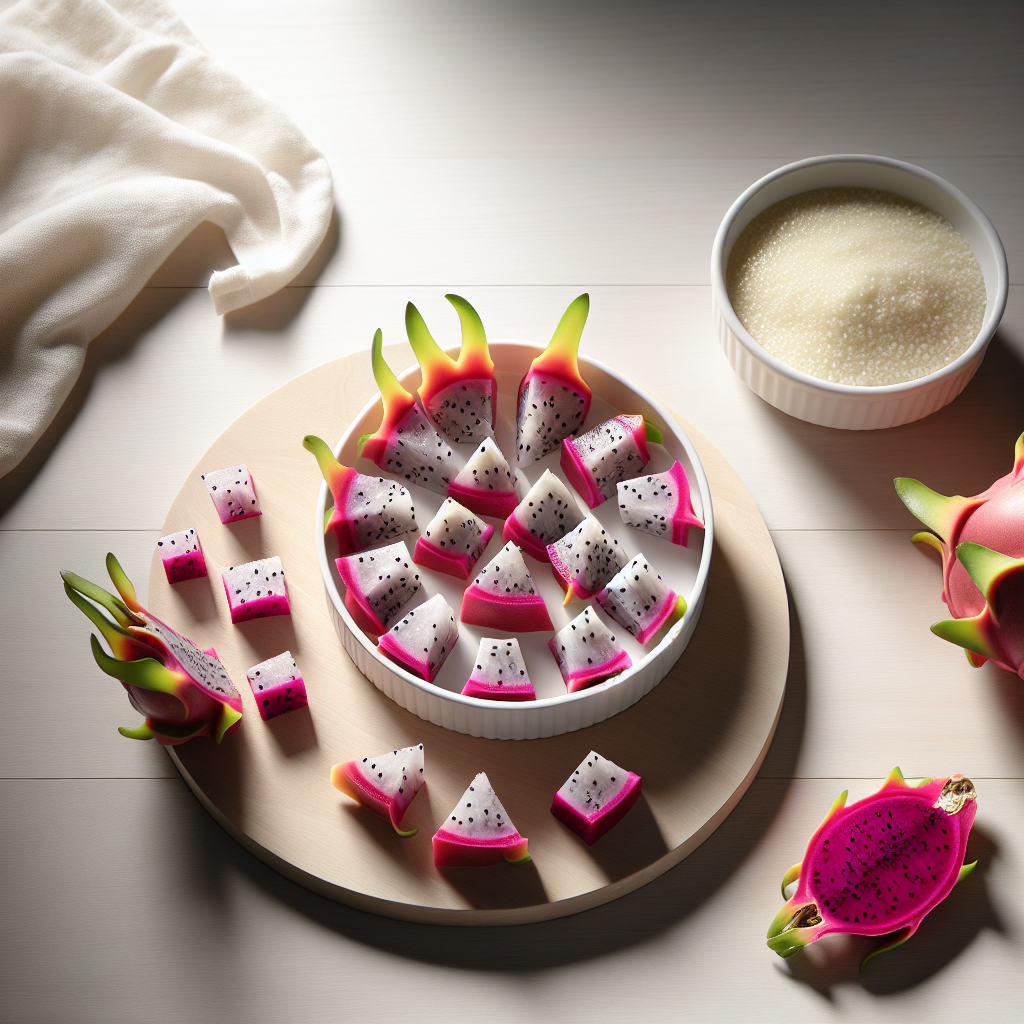
Dragon fruit may be introduced as soon as your baby is ready to start solid foods, which is generally around 6 months of age. This exotic fruit is soft and easy to manage when ripe, making it a suitable early food for baby-led weaning. Always ensure the fruit is very soft and ripe before offering it to your little one.
Dragon fruit provides vitamin C, which supports immune function and helps with iron absorption from other foods. It also contains fibre, which aids healthy digestion and helps prevent constipation in babies. The fruit offers small amounts of B vitamins and beneficial antioxidants that support overall health.
Dragon fruit has a low choking risk because its flesh is soft and moist when ripe, breaking down easily in the mouth. The small seeds within the fruit are soft and do not present a choking hazard.
Dragon fruit is not a common allergen and allergic reactions are rare. As with any new food, it's sensible to introduce dragon fruit on its own and watch for any signs of an adverse reaction during the following days.
Detailed prep guidance tailored to each stage.
Choose very soft, ripe dragon fruit and cut it in half lengthwise. Slice into wide wedges about the length and width of two adult fingers, leaving the skin on to act as a handle if it's not too tough, or peel it away if preferred. The fruit should be soft enough to squish easily between your fingers, allowing baby to suck and mash the flesh whilst practising their palmar grasp.
Offer ripe dragon fruit cut into thick strips or bite-sized pieces that are easy for your baby to pick up with their developing pincer grasp. You can peel the skin away completely at this stage and cut the flesh into manageable chunks. Continue to ensure the fruit is very soft and ripe so it breaks down easily in your baby's mouth.
Serve dragon fruit cut into bite-sized pieces that your toddler can easily spear with a fork or pick up with their fingers. You can offer it cubed, sliced, or even scooped directly from the skin with a spoon as they practise self-feeding. The fruit can be served on its own, added to fruit salads, or mixed into yoghurt or porridge.