Baby-led weaning · age-specific guide
Dragon fruit for 12–24 months
Dragon fruit may be introduced as soon as your baby is ready to start solid foods, which is generally around 6 months of age. This exotic fruit is soft and easy to manage when ripe, making it a suitable early food for baby-led weaning. Always ensure the fruit is very soft and ripe before offering it to your little one.
How to serve at 12–24 months
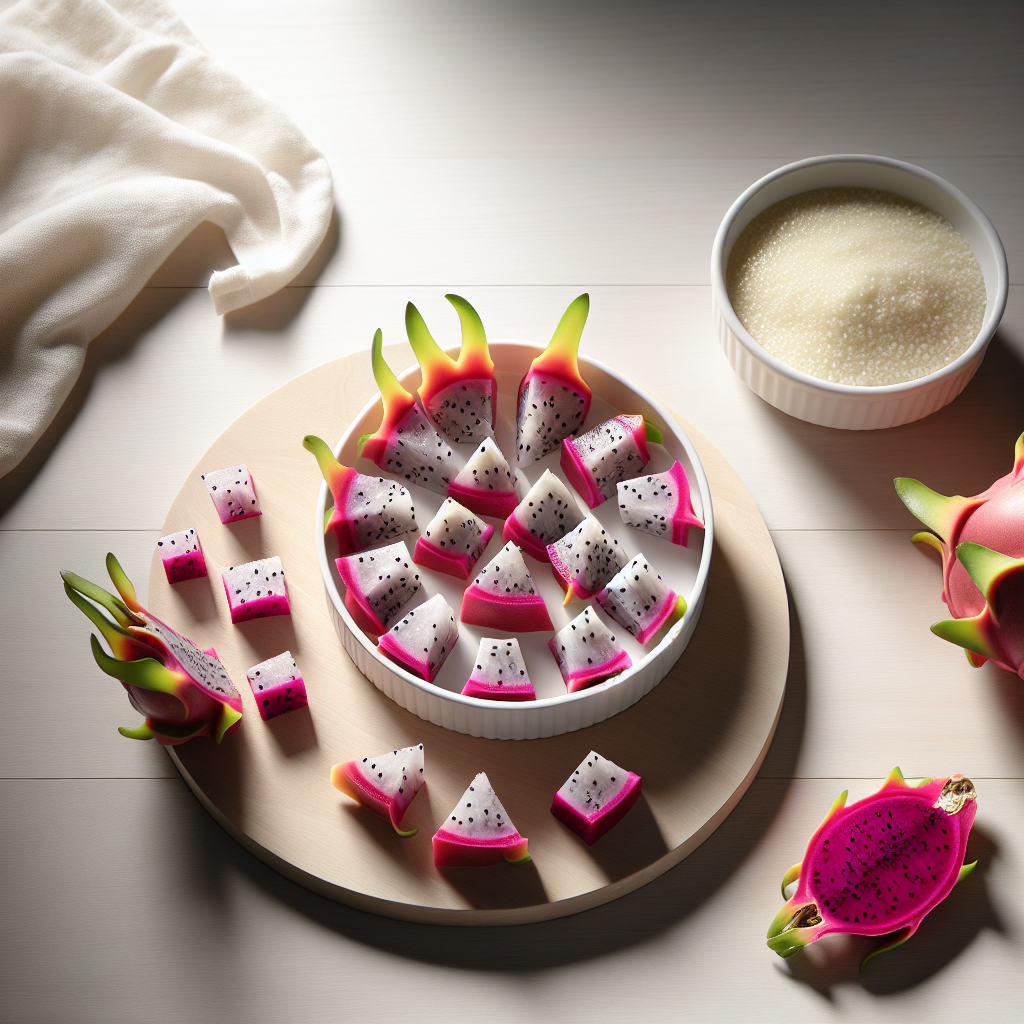
Serve dragon fruit cut into bite-sized pieces that your toddler can easily spear with a fork or pick up with their fingers. You can offer it cubed, sliced, or even scooped directly from the skin with a spoon as they practise self-feeding. The fruit can be served on its own, added to fruit salads, or mixed into yoghurt or porridge.
Nutrition highlights
Dragon fruit provides vitamin C, which supports immune function and helps with iron absorption from other foods. It also contains fibre, which aids healthy digestion and helps prevent constipation in babies. The fruit offers small amounts of B vitamins and beneficial antioxidants that support overall health.
Lower-risk serving reminders
Dragon fruit has a low choking risk because its flesh is soft and moist when ripe, breaking down easily in the mouth. The small seeds within the fruit are soft and do not present a choking hazard.
Allergen introduction checklist
Dragon fruit is not a common allergen and allergic reactions are rare. As with any new food, it's sensible to introduce dragon fruit on its own and watch for any signs of an adverse reaction during the following days.
Common questions
Can dragon fruit cause nappy rash in babies?
Dragon fruit can occasionally cause nappy rash in sensitive babies due to its natural acidity, though this is uncommon. If you notice irritation, try offering smaller portions or wait a few weeks before reintroducing.
Will the tiny black seeds in dragon fruit harm my baby?
The small black seeds in dragon fruit are completely safe for babies and are soft enough to digest or pass through harmlessly. There is no need to remove them.
Why does dragon fruit sometimes appear in my baby's nappy unchanged?
Dragon fruit flesh can sometimes pass through your baby's digestive system looking similar to how it went in, which is normal and not a cause for concern. This is common with many high-fibre fruits as babies' digestive systems mature.
General feeding checklist
- Seat baby upright and stable for all meals.
- Model slow chewing and allow baby to control pace.
- Stop and reset if baby is upset, tired, or over-stuffed.
Readiness signs to check
- Baby can sit upright with minimal support during meals.
- Hands and mouth coordinate for bringing food to the mouth.
- Tongue-thrust reflex is reduced, so food is not immediately pushed out.
- Interest in self-feeding and opening mouth for food cues is visible.
Pause and seek advice if
- Coughing is persistent or distress does not settle quickly during meals.
- You notice repeated vomiting, rash, swelling, wheeze, or breathing changes after a food.
- Baby struggles with swallowing progression over multiple meals despite texture adjustments.
- There is a known medical condition affecting feeding, growth, or airway safety.
Other ages: 6–8 months · 9–11 months