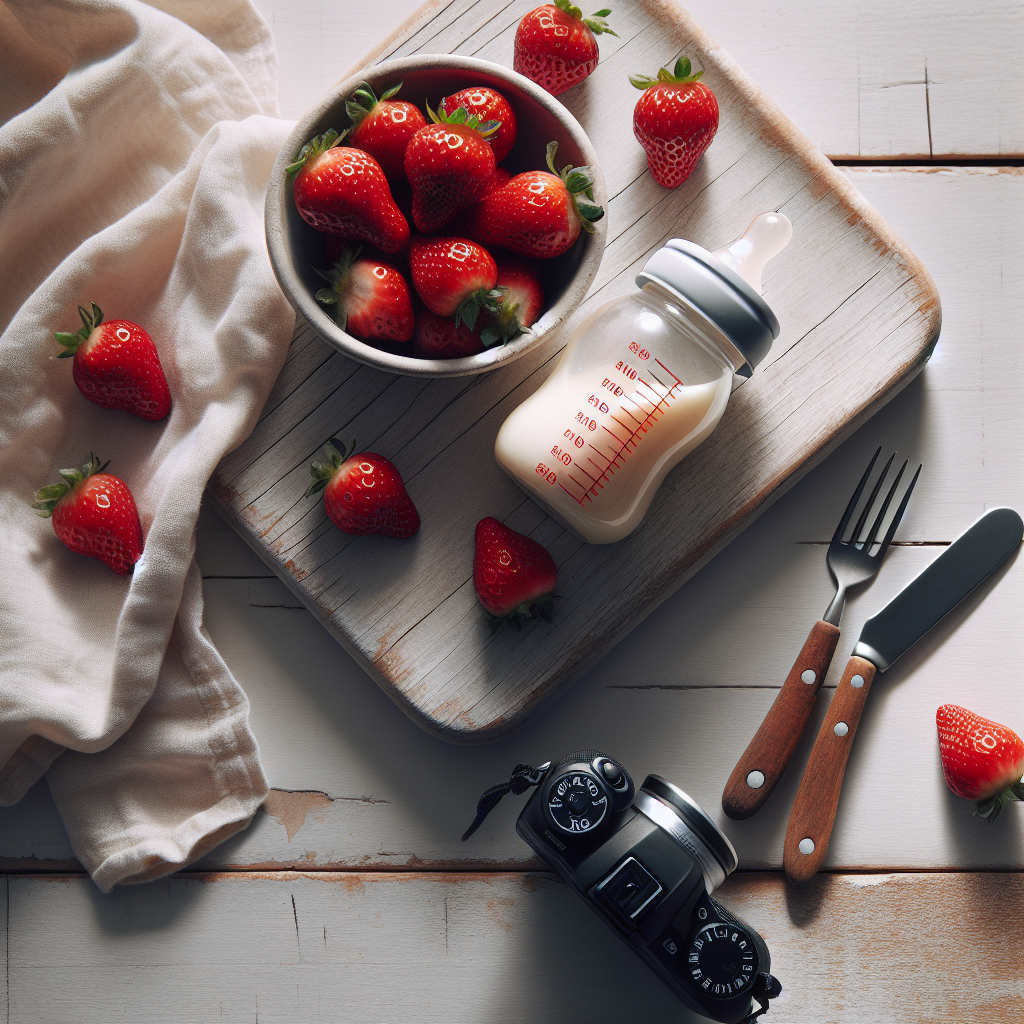
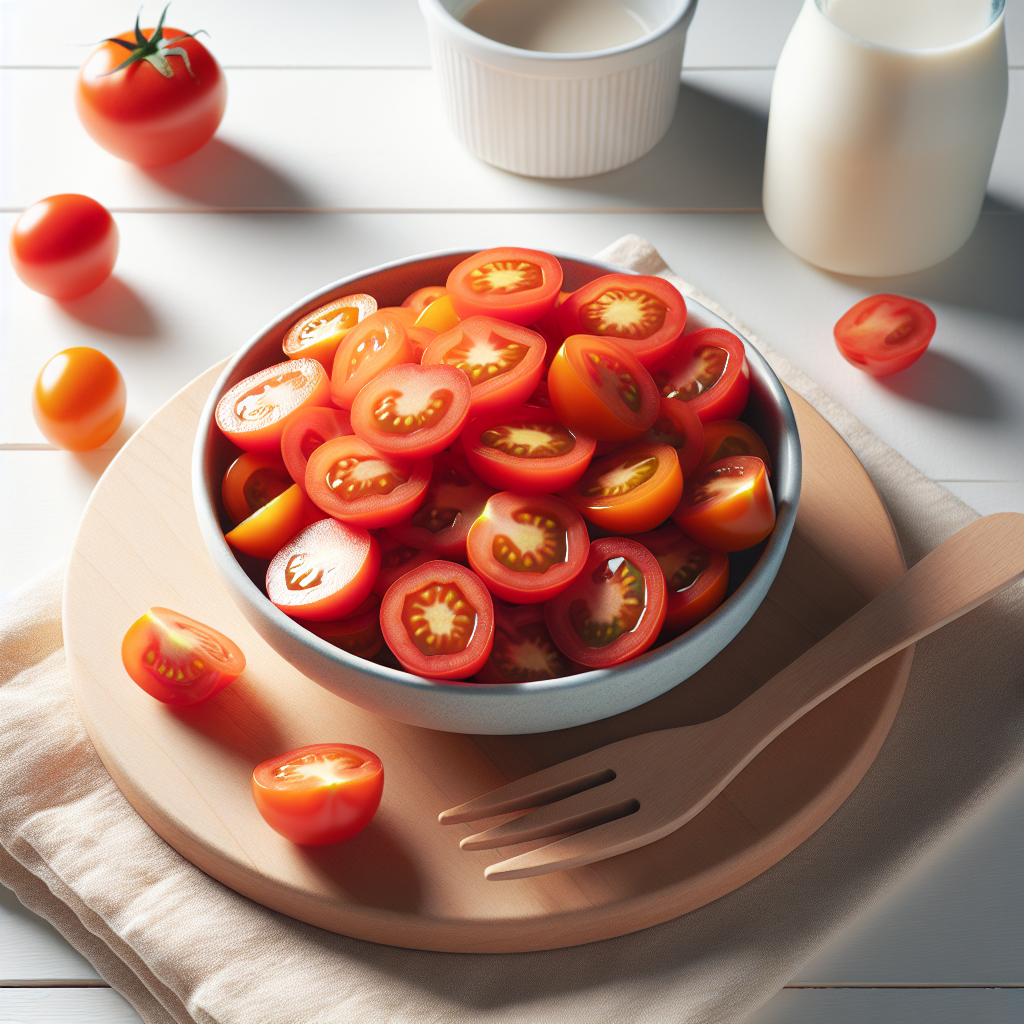
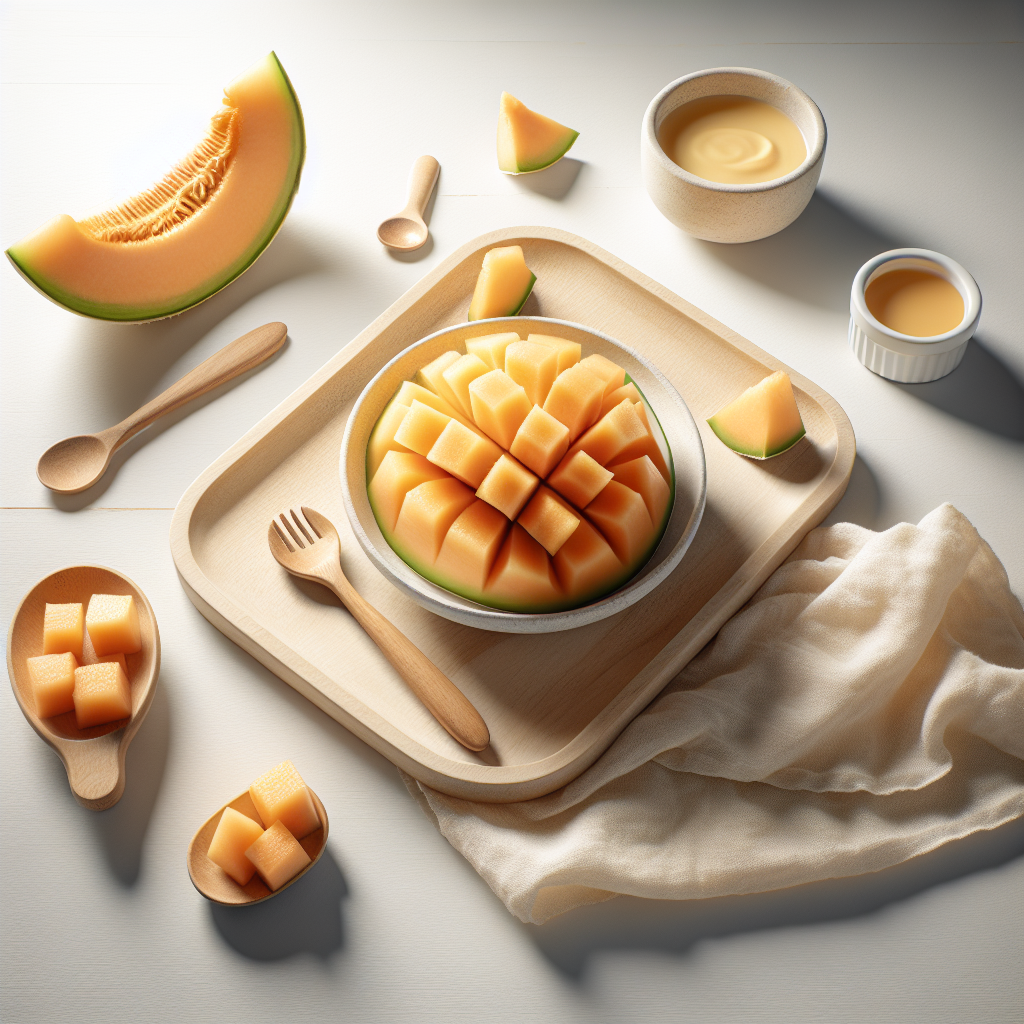
Strawberries may be introduced as soon as your baby is ready to start solid foods, which is generally around 6 months of age. Choose ripe, soft strawberries and prepare them in age-appropriate sizes to support safe eating. While strawberries are not a common allergen, they can occasionally cause reactions in sensitive individuals, so introduce them as you would any new food.
Is Strawberry healthy for babies?
Strawberries are an excellent source of vitamin C, which supports iron absorption and immune health. They also provide fibre to aid digestion, along with folate and beneficial plant compounds called antioxidants. Though not as concentrated as some other foods, strawberries do contain a modest amount of iron, contributing to your baby's overall nutrient intake.
Lower-risk serving reminders
Ripe, soft strawberries present a low choking risk when prepared appropriately for your baby's age and eating ability. Their naturally soft, yielding texture breaks down easily in the mouth, making them safer than firm, hard fruits.
Allergen introduction checklist
Strawberries are not classified as a common allergen. However, some babies may experience a harmless rash around the mouth due to the fruit's natural acidity, which typically resolves without concern.
General feeding checklist
Seat baby upright and stable for all meals.
Model slow chewing and allow baby to control pace.
Stop and reset if baby is upset, tired, or over-stuffed.
Readiness signs to check
Baby can sit upright with minimal support during meals.
Hands and mouth coordinate for bringing food to the mouth.
Tongue-thrust reflex is reduced, so food is not immediately pushed out.
Interest in self-feeding and opening mouth for food cues is visible.
Pause and seek advice if
Coughing is persistent or distress does not settle quickly during meals.
You notice repeated vomiting, rash, swelling, wheeze, or breathing changes after a food.
Baby struggles with swallowing progression over multiple meals despite texture adjustments.
There is a known medical condition affecting feeding, growth, or airway safety.
Offer ripe, very soft strawberries with the hull left on to create a built-in handle, or cut them into wide vertical wedges that are easy for small hands to grasp. If the skin feels tough or leathery, gently peel it away to make the fruit easier to gum and chew. You can also mash or slice strawberries and serve them on a preloaded spoon or spread onto toast fingers.
9–11 months
Continue offering ripe, soft strawberries cut into thick strips or slices that your baby can pick up with a developing pincer grasp. If serving whole or halved strawberries, quarter small round fruits lengthwise to reduce choking risk, and flatten any spherical shapes. The fruit should still be soft enough to squish easily between your fingers.
12–24 months
Serve ripe strawberries cut into bite-sized soft pieces that are appropriate for your toddler's chewing ability. Continue halving or quartering round fruits lengthwise to maintain safety as your child practises biting and chewing. At this stage, most toddlers can manage whole strawberries if they are very soft and your child demonstrates careful chewing.
Common questions about Strawberry
Do I need to remove strawberry skins for my baby?
Only remove the skin if it is tough or leathery. Ripe strawberries typically have soft, edible skins that babies can manage safely.
Can strawberries cause a rash on my baby's face?
Yes, strawberries can sometimes cause a harmless red rash around the mouth due to their acidity, which is not usually a sign of allergy and typically fades quickly.
Should I hull strawberries before giving them to my baby?
For younger babies, leaving the hull on provides a natural handle to grip, making self-feeding easier. You can remove it once your baby no longer needs it for support.