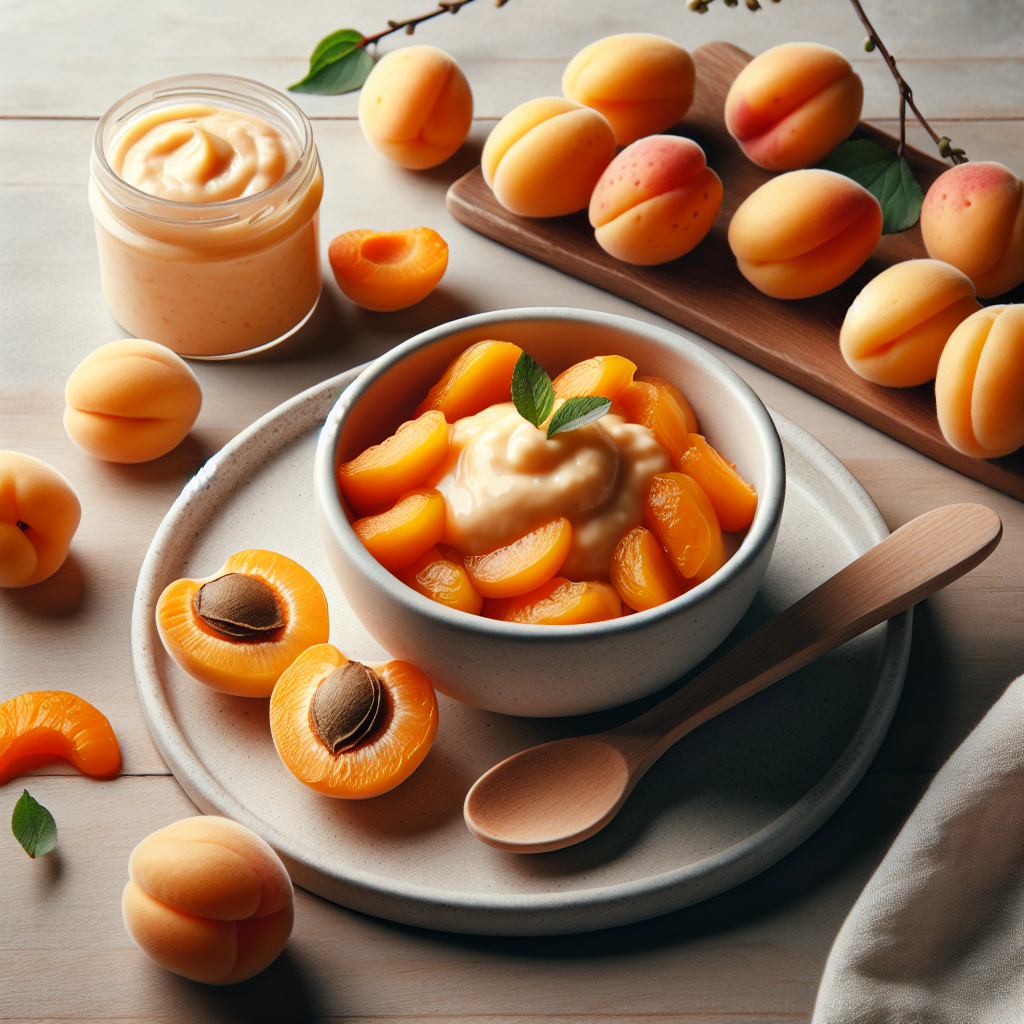
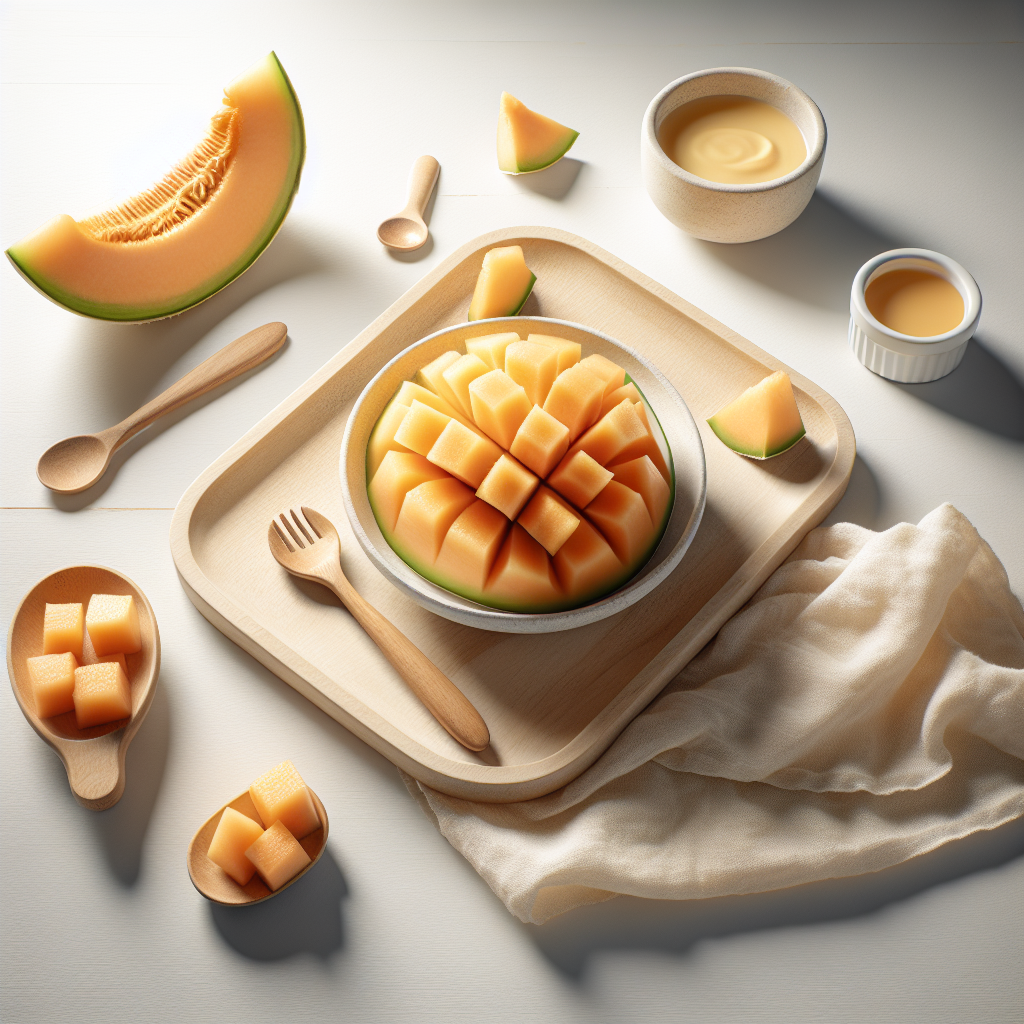
Apricots may be introduced as soon as your baby is ready to start solid foods, which is generally around 6 months of age. Choose apricots that are very ripe and soft to the touch, as firm or underripe apricots can be too hard for young babies to safely manage. Always ensure the fruit is prepared appropriately for your baby's age and developmental stage.
Is Apricot healthy for babies?
Apricots are a good source of vitamin A, which supports healthy vision, immune function, and skin development in babies. They also provide fibre to support healthy digestion, as well as vitamin C and potassium. The natural sugars in apricots offer energy, while their soft texture makes them an accessible fruit option for early eaters.
Lower-risk serving reminders
When properly prepared, apricots present a low choking risk because ripe fruit is soft and easy for babies to gum and break down. The key is to ensure the apricot is truly ripe and yielding, and to offer it in age-appropriate sizes that prevent whole pieces from blocking the airway.
Allergen introduction checklist
Apricots are not considered a common allergen and are not among the top foods associated with allergic reactions. Allergies to apricot are rare, though they can occur, particularly in individuals with pollen-food allergy syndrome or sensitivities to other stone fruits.
General feeding checklist
Seat baby upright and stable for all meals.
Model slow chewing and allow baby to control pace.
Stop and reset if baby is upset, tired, or over-stuffed.
Readiness signs to check
Baby can sit upright with minimal support during meals.
Hands and mouth coordinate for bringing food to the mouth.
Tongue-thrust reflex is reduced, so food is not immediately pushed out.
Interest in self-feeding and opening mouth for food cues is visible.
Pause and seek advice if
Coughing is persistent or distress does not settle quickly during meals.
You notice repeated vomiting, rash, swelling, wheeze, or breathing changes after a food.
Baby struggles with swallowing progression over multiple meals despite texture adjustments.
There is a known medical condition affecting feeding, growth, or airway safety.
Choose apricots that are very ripe and soft, then cut them in half and remove the stone. Serve a whole half with the skin on as a handle, or cut into wide wedges that your baby can grasp in their palm with some fruit sticking out to gnaw on. If the skin is tough, blanch the apricot briefly in boiling water and peel it before serving.
9–11 months
Continue to offer ripe, soft apricots, now cut into smaller pieces or strips that your baby can pick up with their developing pincer grasp. You can cut a halved apricot into quarters or thick slices, ensuring pieces are large enough to handle but soft enough to gum. If the apricot is small and round, quarter it lengthwise to reduce any round shape that could pose a risk.
12–24 months
Serve ripe apricots cut into bite-sized pieces that are easy for your toddler to chew and swallow. Continue to halve or quarter small round fruits to reduce choking risk, and ensure the fruit remains soft and ripe. At this age, most toddlers can manage small chunks or slices, but always supervise during eating.
Common questions about Apricot
Can I serve dried apricots to my baby?
Dried apricots are very sticky and chewy, which increases choking risk, so they are not recommended for babies under 12 months. After 12 months, finely chopped or rehydrated dried apricots can be offered with caution.
Do I need to peel apricots for baby-led weaning?
If the apricot is ripe and soft, the skin is usually thin enough for babies to manage. However, if the skin is tough or your baby struggles with it, you can remove it by blanching the apricot briefly in boiling water.
How do I know if an apricot is ripe enough for my baby?
A ripe apricot should yield gently to pressure when squeezed and feel soft throughout. The flesh should be easy to mash between your fingers, indicating it will be safe and manageable for your baby to gum and eat.