Paneer can be introduced as soon as your baby is ready to start solids, which is typically around 6 months of age. As paneer is made from cow's milk, it is a common allergen and should be introduced carefully, especially if your baby has not yet had dairy. Always watch for signs of cow's milk protein allergy when offering paneer for the first few times.
Is Paneer strip healthy for babies?
Paneer is an excellent source of protein, which supports your baby's growth, muscle development, and immune function. It also provides calcium and phosphorus for strong bones and teeth, as well as fat-soluble vitamins like vitamin A. As a full-fat dairy product, paneer offers healthy fats that are important for brain development in the first two years of life.
Lower-risk serving reminders
Paneer has a low choking risk when served appropriately because it is soft, moist, and easily breaks down in the mouth with gentle pressure. When cut into strips, it provides a manageable shape for young babies to grasp and gnaw safely.
Allergen information
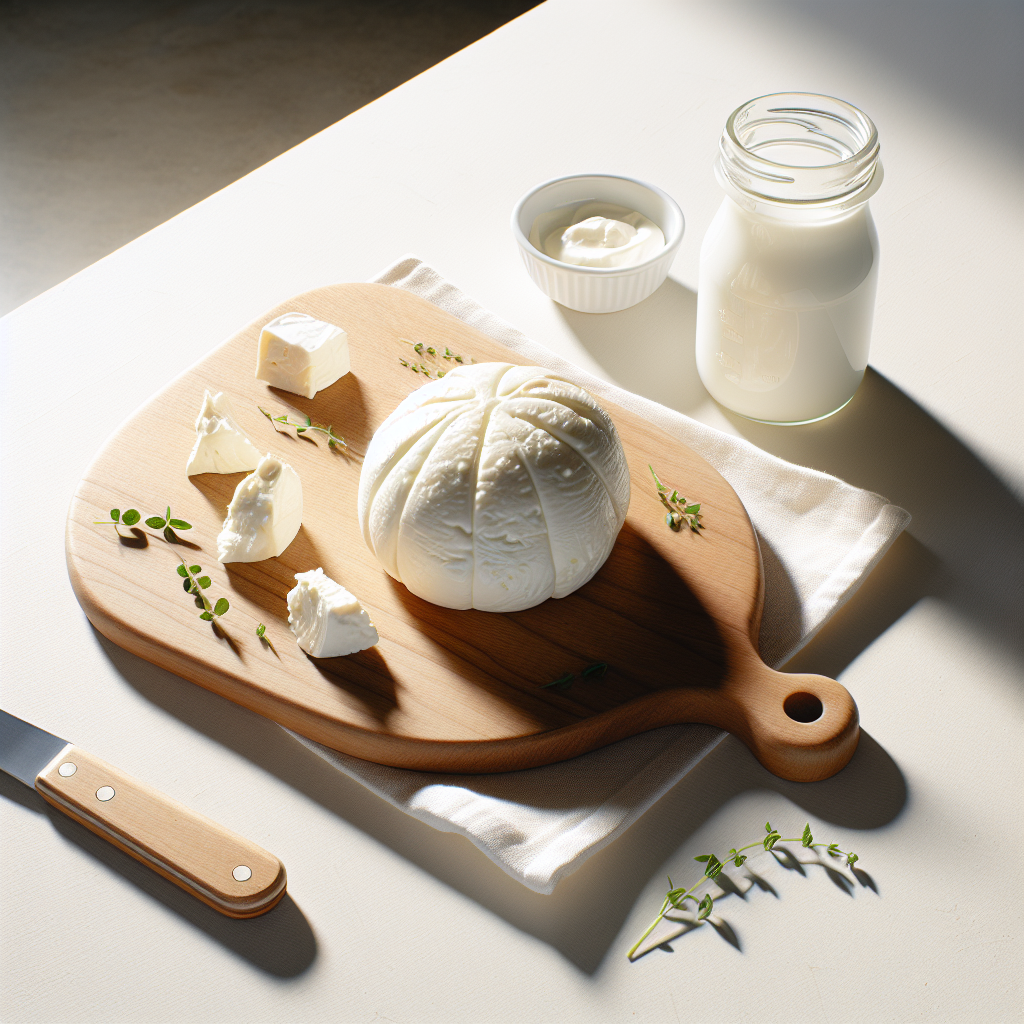
Paneer is made from cow's milk and is therefore a common allergen. When introducing paneer, watch for signs of an allergic reaction such as hives, rash, vomiting, or difficulty breathing, and be aware of symptoms of cow's milk protein allergy including digestive upset, eczema, or blood in stools.
Milk (dairy)
General feeding checklist
Seat baby upright and stable for all meals.
Model slow chewing and allow baby to control pace.
Stop and reset if baby is upset, tired, or over-stuffed.
Readiness signs to check
Baby can sit upright with minimal support during meals.
Hands and mouth coordinate for bringing food to the mouth.
Tongue-thrust reflex is reduced, so food is not immediately pushed out.
Interest in self-feeding and opening mouth for food cues is visible.
Pause and seek advice if
Coughing is persistent or distress does not settle quickly during meals.
You notice repeated vomiting, rash, swelling, wheeze, or breathing changes after a food.
Baby struggles with swallowing progression over multiple meals despite texture adjustments.
There is a known medical condition affecting feeding, growth, or airway safety.
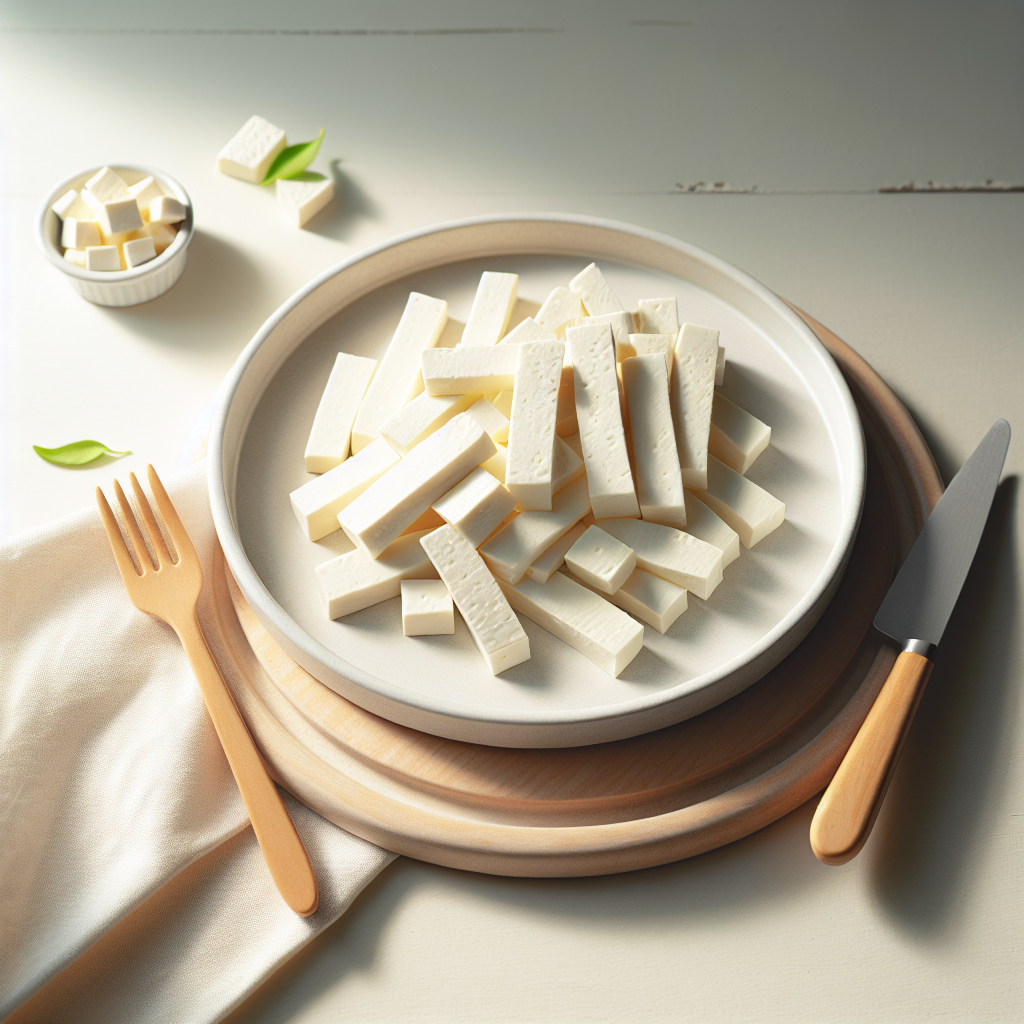
Serve paneer cut into thick strips about the size of two adult fingers placed together, roughly 5 cm long and 1.5 cm wide, so your baby can grasp it in their palm with some sticking out to gnaw. Choose fresh, soft paneer and avoid cooking it at this stage, as raw paneer is softer and easier to mash with gums. You can serve plain paneer strips on their own or place a strip on top of toast spread with mashed avocado or hummus for added flavour and grip.
9–11 months
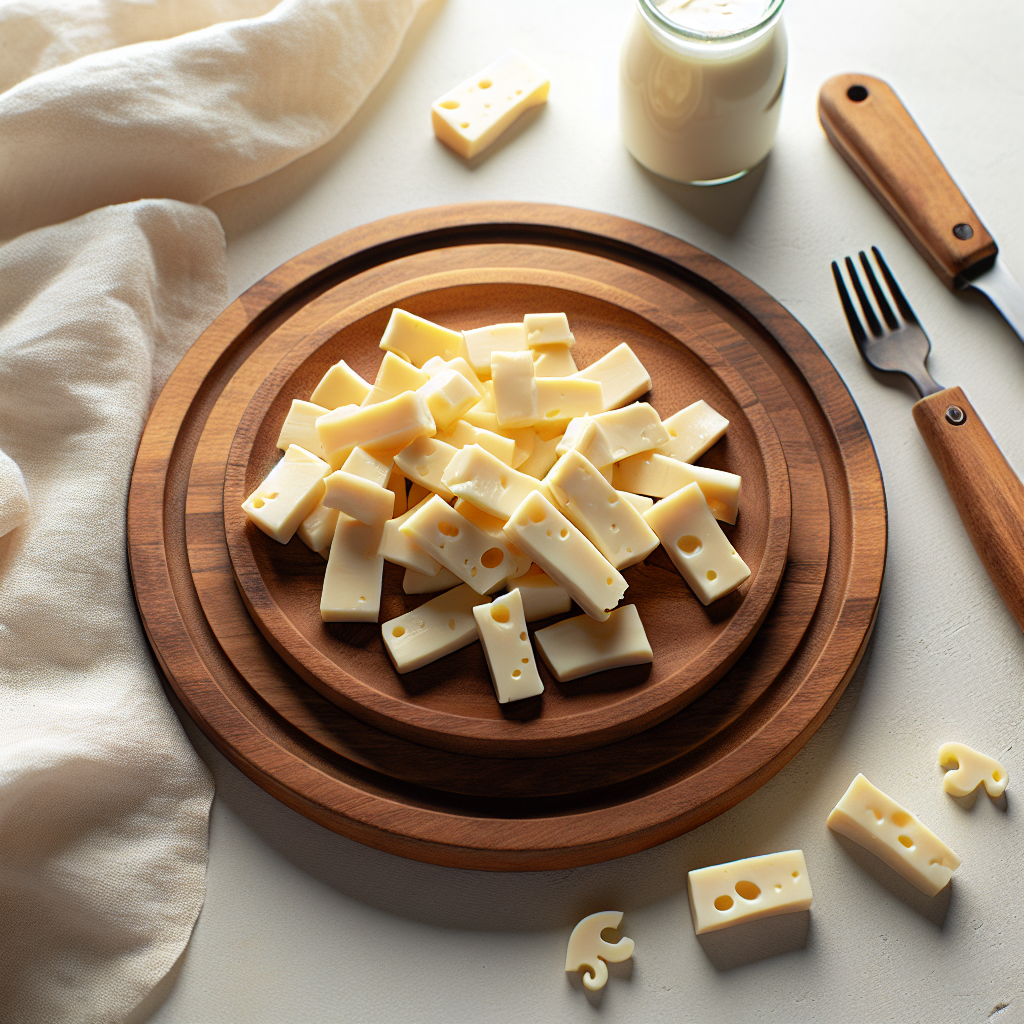
Continue offering paneer as thick strips, or try cutting it into smaller bite-sized pieces about 1 cm cubes to encourage developing pincer grasp, as long as the paneer is soft enough to squash easily between your fingers. You can also crumble or grate paneer over warm foods like lentil dhal, vegetable curry, or pasta to add protein and introduce it as part of family meals. Lightly pan-fried paneer strips can add variety, but ensure they remain soft and not rubbery.
12–24 months
At this age, you can offer paneer cubes, crumbled paneer mixed into rice or grain bowls, or paneer incorporated into curries and stir-fries as part of family meals. Soft paneer cubes around 1–2 cm are appropriate as your toddler's chewing skills improve, though you should still check that the paneer squashes easily. You can also try paneer in dishes like saag paneer or paneer tikka, ensuring any spices are age-appropriate and sodium levels are kept low.
Common questions about Paneer strip
Is paneer safe for babies under one year old?
Yes, paneer is safe for babies from 6 months as long as cow's milk has been introduced and tolerated. Full-fat paneer provides important nutrients and protein for growing babies.
How do I know if my baby is allergic to paneer?
Watch for signs of an allergic reaction such as hives, rash, vomiting, diarrhoea, or breathing difficulties. Symptoms of cow's milk protein allergy may also include persistent eczema, mucus in stools, or blood in nappies.
Can I give my baby raw paneer or does it need to be cooked?
Paneer can be served raw or cooked for babies. Raw paneer is softer and easier for young babies to chew, while lightly cooked paneer offers variety and can be incorporated into family meals.