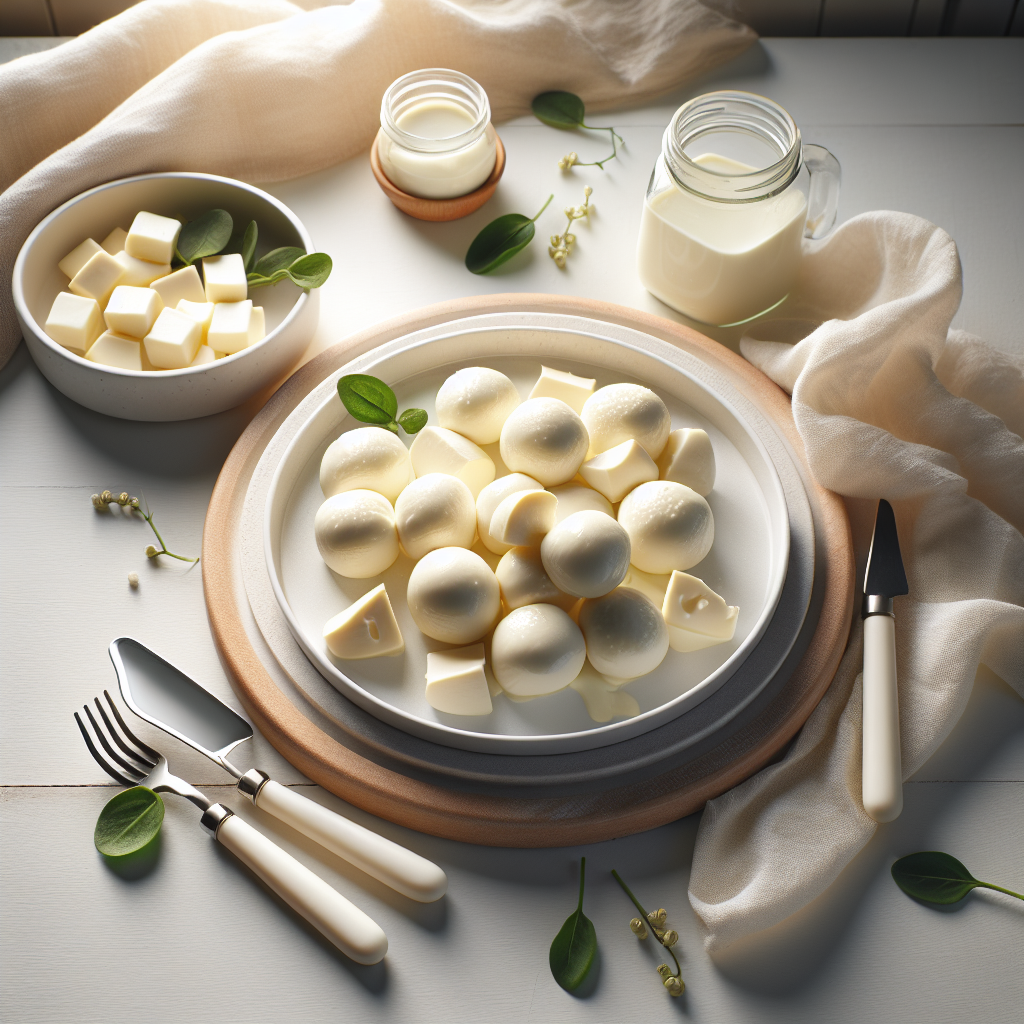
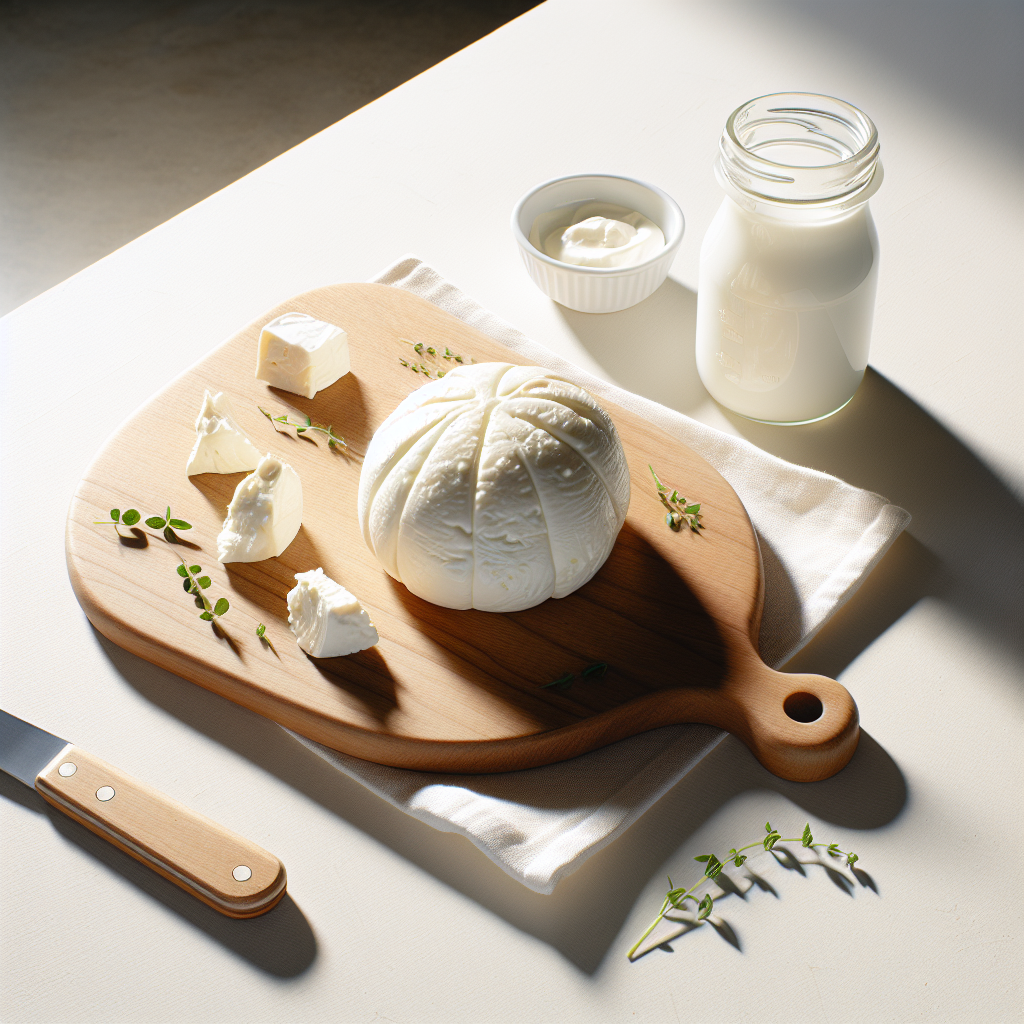
Fresh mozzarella can be introduced from 6 months of age, as soon as your baby is ready to start solid foods. Like all dairy products, mozzarella should be full-fat for babies under two years to support healthy growth and brain development. If this is your baby's first exposure to cow's milk protein, watch carefully for signs of a milk allergy or intolerance during the first few servings.
Is Mozzarella fresh healthy for babies?
Fresh mozzarella is a good source of protein, which supports muscle growth, immune function, and overall development in babies. It also provides calcium and phosphorus, both essential for building strong bones and teeth. Mozzarella offers fat-soluble vitamins including vitamin A, which supports vision and immune health, though it is lower in sodium than many aged cheeses.
Lower-risk serving reminders
Fresh mozzarella presents a low choking risk because it is soft, moist, and easily mashable between the gums. Its high moisture content means it breaks down readily in the mouth, making it safer for babies who are learning to chew and swallow solid foods.
Allergen information
Fresh mozzarella contains cow's milk, which is one of the most common food allergens in infants and young children. When introducing mozzarella for the first time, offer it in small amounts and watch for signs of an allergic reaction such as hives, vomiting, or difficulty breathing, or symptoms of intolerance like persistent diarrhoea or eczema.
Milk (dairy)
General feeding checklist
Seat baby upright and stable for all meals.
Model slow chewing and allow baby to control pace.
Stop and reset if baby is upset, tired, or over-stuffed.
Readiness signs to check
Baby can sit upright with minimal support during meals.
Hands and mouth coordinate for bringing food to the mouth.
Tongue-thrust reflex is reduced, so food is not immediately pushed out.
Interest in self-feeding and opening mouth for food cues is visible.
Pause and seek advice if
Coughing is persistent or distress does not settle quickly during meals.
You notice repeated vomiting, rash, swelling, wheeze, or breathing changes after a food.
Baby struggles with swallowing progression over multiple meals despite texture adjustments.
There is a known medical condition affecting feeding, growth, or airway safety.
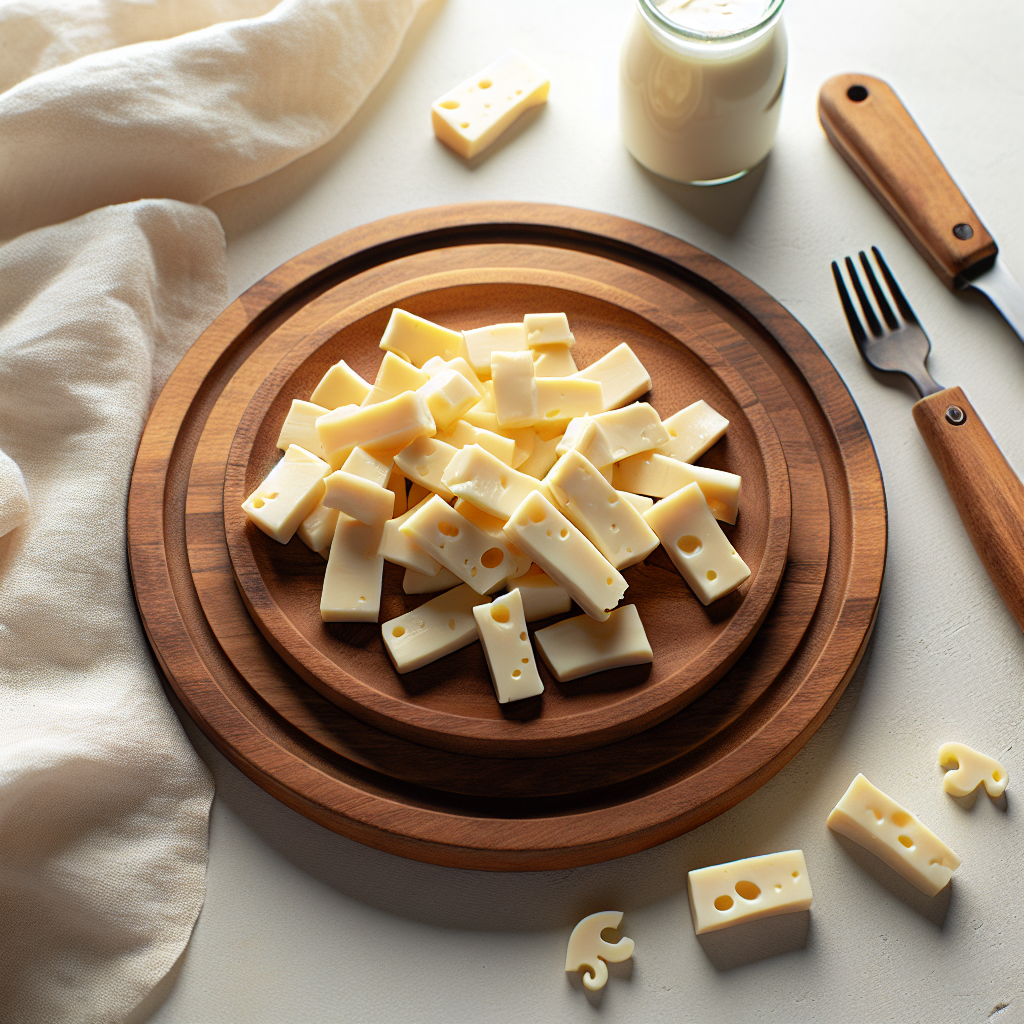
Offer fresh mozzarella in thick strips about the size of two adult fingers placed together, roughly 5 cm long and 1.5 cm wide, so your baby can grasp it easily in their palm with some sticking out to gnaw on. You can serve it on its own as a slippery finger food or melt it onto a strip of wholegrain toast to make it easier to hold. The cheese should be soft and at room temperature, which makes it more pliable and less likely to tear into small pieces.
9–11 months
As your baby develops their pincer grasp, you can offer fresh mozzarella grated or torn into small, soft pieces that they can pick up between their thumb and forefinger. You can also continue to serve it melted on toast fingers, stirred through warm pasta, or layered onto soft flatbreads. At this age, babies are often able to bite off appropriately sized pieces, but continue to monitor closely and ensure the cheese remains soft and moist.
12–24 months
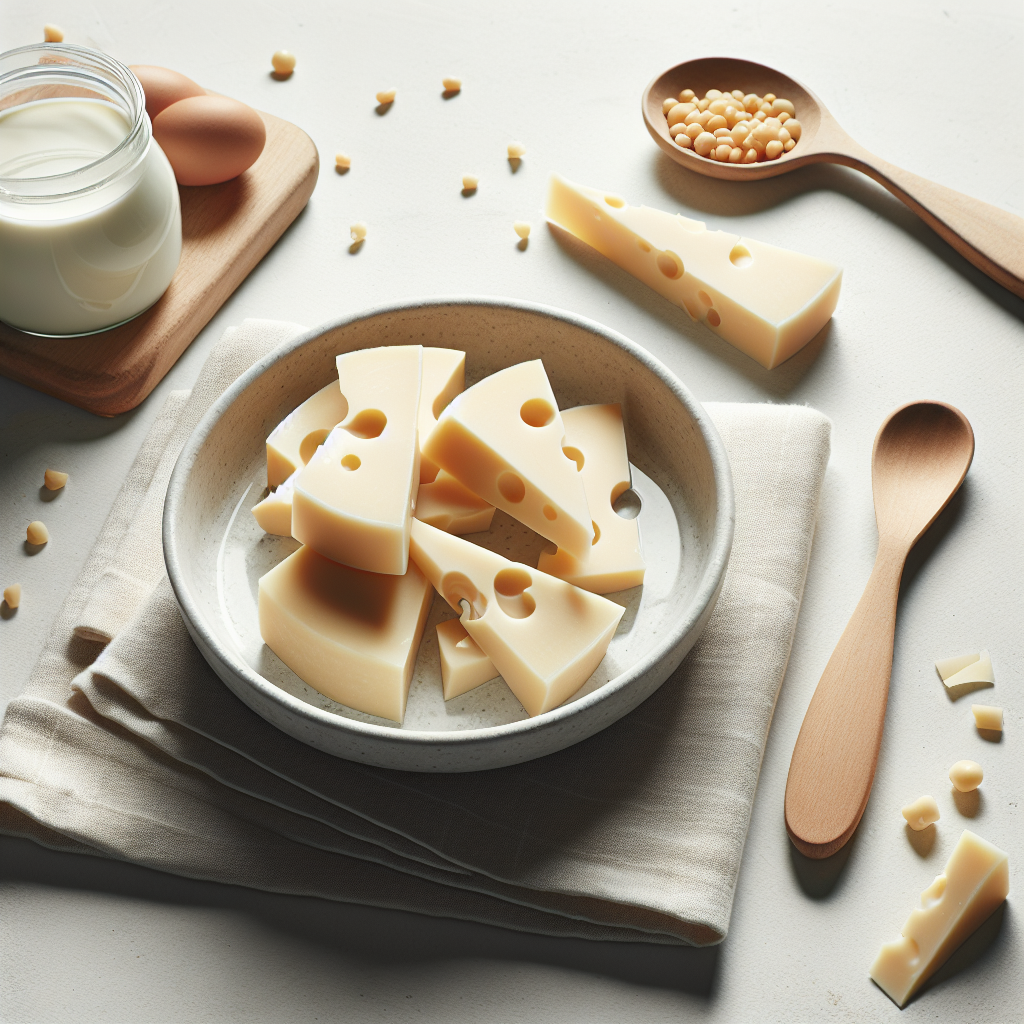
Toddlers can enjoy fresh mozzarella in small, soft cubes (about 1 cm), torn into bite-sized pieces, or sliced thinly and served with soft foods like tomatoes, pasta, or in a simple salad. You can also offer it melted in quesadillas, on pizza, or stirred into risotto. Continue to choose full-fat mozzarella and serve it as part of balanced meals alongside fruits, vegetables, and whole grains.
Common questions about Mozzarella fresh
Can I give my baby raw fresh mozzarella?
Yes, fresh mozzarella is safe to serve raw to babies from 6 months, as long as it has been pasteurised. Always check the label to ensure the cheese is made from pasteurised milk, which is standard in the UK and US.
Is fresh mozzarella too salty for babies?
Fresh mozzarella is naturally lower in sodium than many aged cheeses, making it a suitable choice for babies. It typically contains around 175–200 mg of sodium per 100 g, which is moderate and acceptable as part of a varied diet.
How do I know if my baby is reacting to mozzarella?
Watch for signs of a cow's milk protein allergy such as rash, hives, vomiting, or difficulty breathing, or symptoms of intolerance like persistent loose stools, blood in the stool, or worsening eczema. If you notice any concerning symptoms, stop serving mozzarella and consult your GP or health visitor.