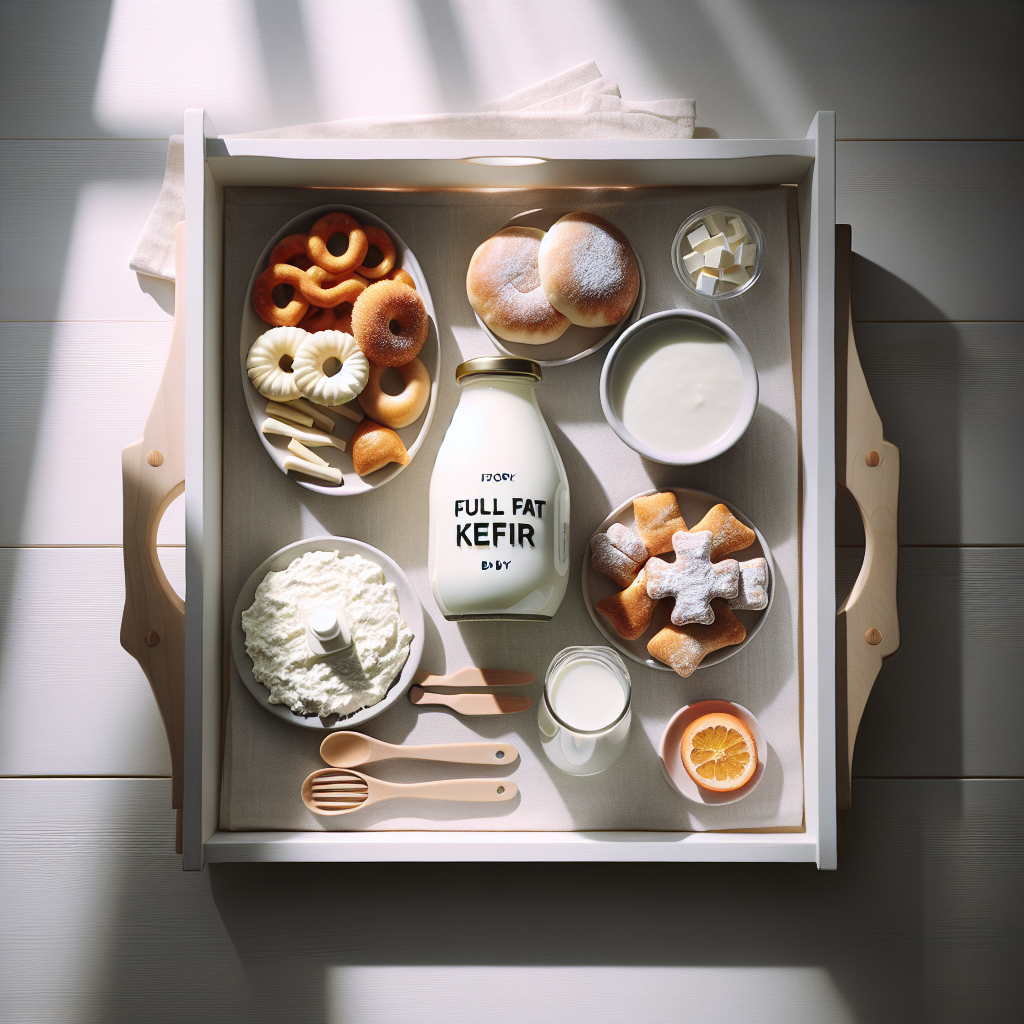
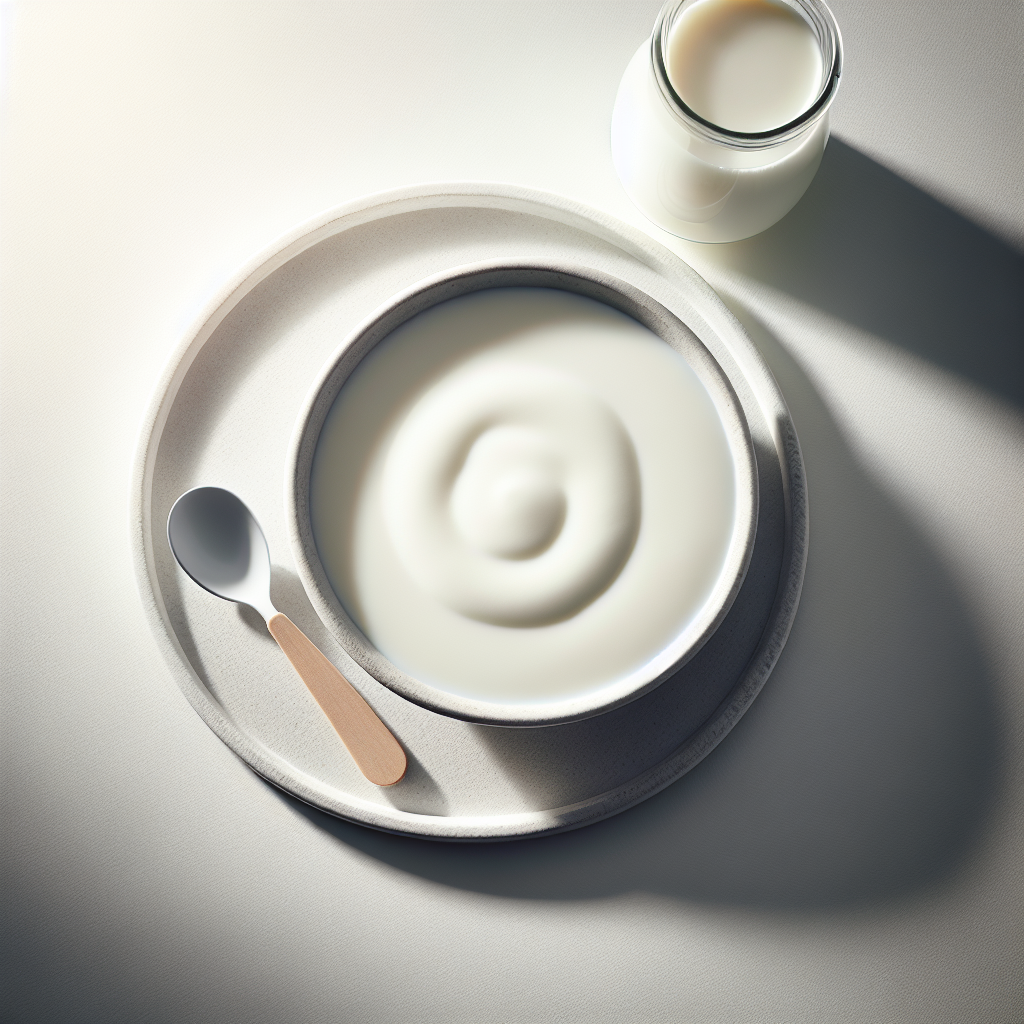
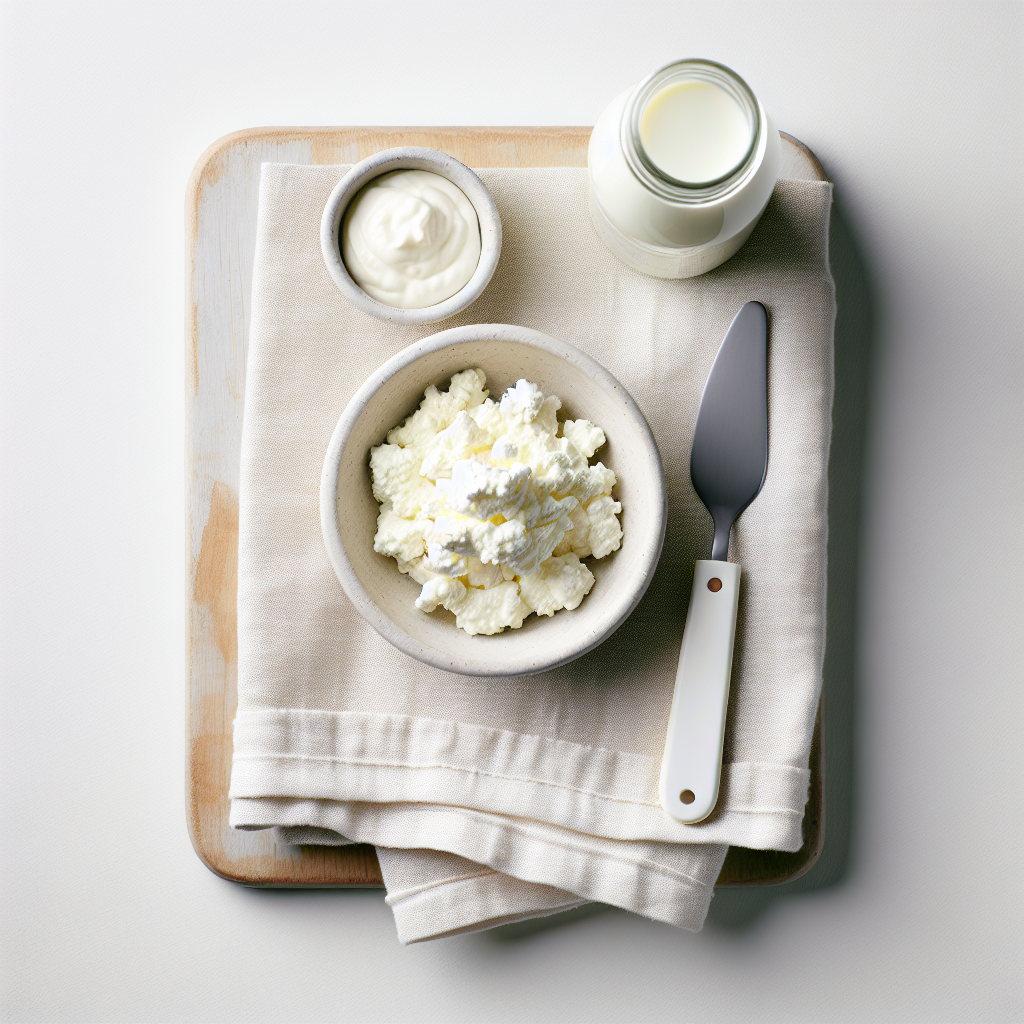
Kefir can be introduced as soon as your baby is ready to start solids, which is generally around 6 months of age. As a fermented dairy product, kefir contains milk and should be introduced carefully, watching for signs of cow's milk protein allergy, especially if it is amongst your baby's first dairy exposures. Always offer full-fat kefir to support your baby's growth and brain development.
Is Kefir full fat healthy for babies?
Kefir is rich in protein, calcium, and B vitamins, all of which support healthy growth, bone development, and energy metabolism. The fermentation process creates beneficial probiotics that may support digestive health and immune function. Kefir also contains some vitamin D and phosphorus, important for calcium absorption and bone strength.
Lower-risk serving reminders
Kefir is a liquid with a thin, drinkable consistency, which poses a low choking risk when served appropriately. To minimise aspiration risk, offer kefir mixed into thicker foods like porridge or yoghurt, or serve it on soft foods such as toast strips that baby can suck on.
Allergen information
Kefir is made from cow's milk and is a common allergen. When introducing kefir, watch for signs of an allergic reaction such as hives, vomiting, or difficulty breathing, and be aware of symptoms of cow's milk protein allergy including persistent mucus in stools, eczema, or excessive fussiness.
Milk (dairy)
General feeding checklist
Seat baby upright and stable for all meals.
Model slow chewing and allow baby to control pace.
Stop and reset if baby is upset, tired, or over-stuffed.
Readiness signs to check
Baby can sit upright with minimal support during meals.
Hands and mouth coordinate for bringing food to the mouth.
Tongue-thrust reflex is reduced, so food is not immediately pushed out.
Interest in self-feeding and opening mouth for food cues is visible.
Pause and seek advice if
Coughing is persistent or distress does not settle quickly during meals.
You notice repeated vomiting, rash, swelling, wheeze, or breathing changes after a food.
Baby struggles with swallowing progression over multiple meals despite texture adjustments.
There is a known medical condition affecting feeding, growth, or airway safety.
Mix a small amount of full-fat kefir into porridge, mashed fruit, or baby's usual cereal to add creaminess and introduce the tangy flavour gradually. You can also spread a thin layer of kefir onto a strip of lightly toasted bread for baby to suck and gnaw on. Avoid serving plain kefir in a bottle or spouted cup, and instead offer it in an open cup with your support or mixed into thicker foods.
9–11 months
Continue mixing kefir into porridge, overnight oats, or smoothie bowls, or spread it onto toast fingers or crackers for self-feeding. As your baby develops the pincer grasp, you can offer foods dipped in kefir, such as soft vegetable sticks or strips of pancake. Kefir can also be offered in a straw cup or open cup, though expect some mess as your baby practises drinking skills.
12–24 months
Serve kefir in a small bowl with a spoon and let your toddler practise self-feeding, or offer it in an open cup alongside meals. Kefir makes a useful base for smoothies blended with fruit, or as a tangy addition to pasta sauces, mashed potato, or dips. You can also use kefir in baking or to soak oats for a probiotic-rich breakfast.
Common questions about Kefir full fat
Is kefir better than yoghurt for babies?
Both kefir and yoghurt are nutritious fermented dairy foods suitable for babies from 6 months. Kefir tends to have a thinner consistency and may contain a wider variety of probiotic strains, whilst yoghurt is easier for babies to self-feed.
Can I give my baby kefir to drink from a cup?
Yes, you can offer kefir in an open cup or straw cup from 6 months, though babies may find the tangy taste quite strong at first. Mixing kefir with mashed fruit or porridge can make it more palatable whilst your baby adjusts to the flavour.
Does kefir count towards my baby's milk intake?
Kefir and other dairy products like yoghurt do not replace breast milk or infant formula, which should remain your baby's main source of nutrition until 12 months. Kefir is a complementary food that adds variety and nutrients to your baby's diet.