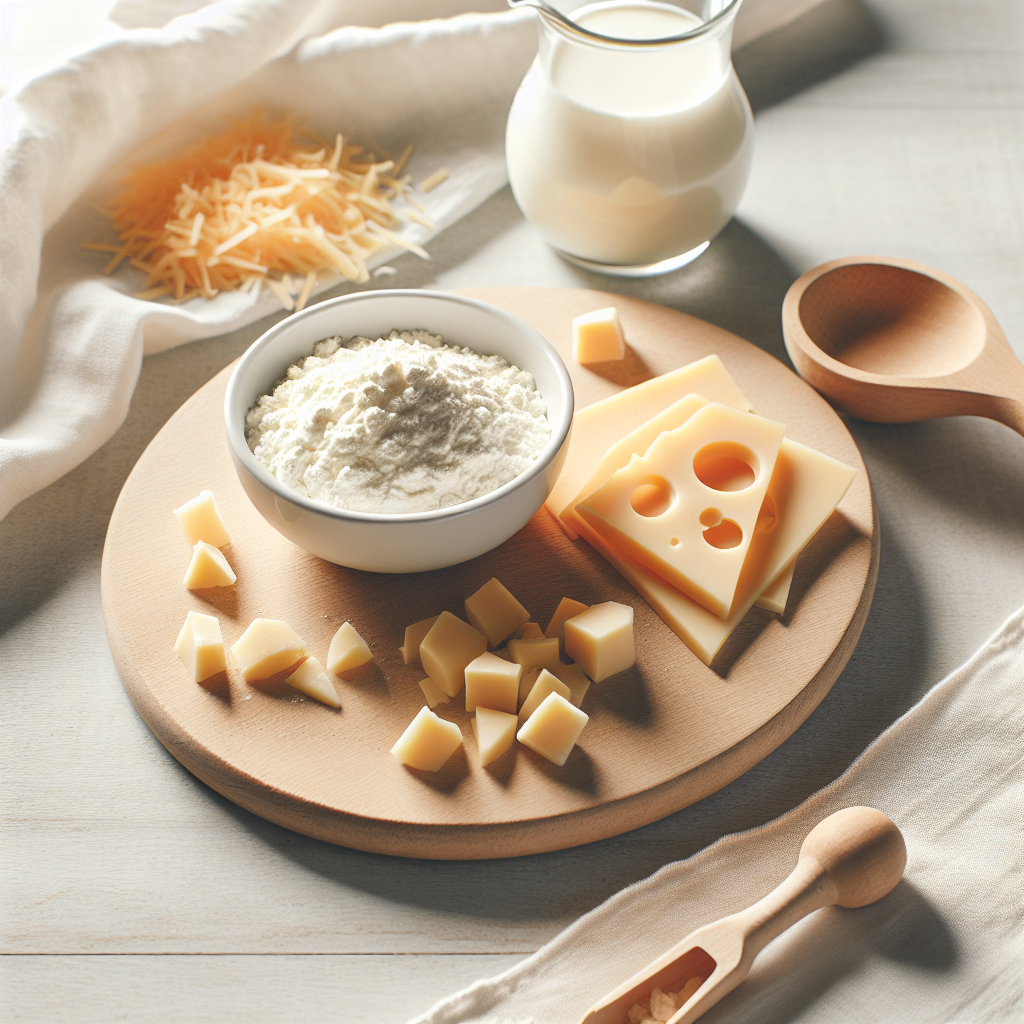
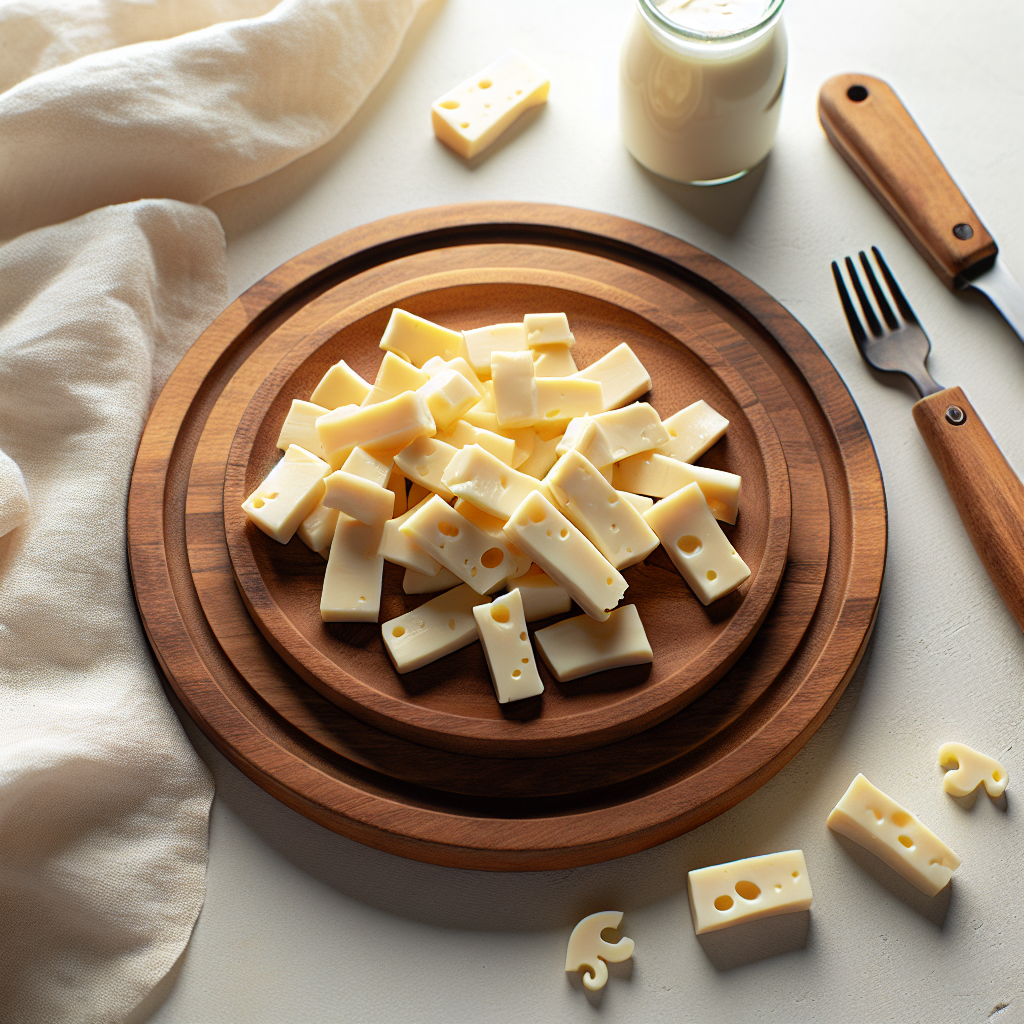
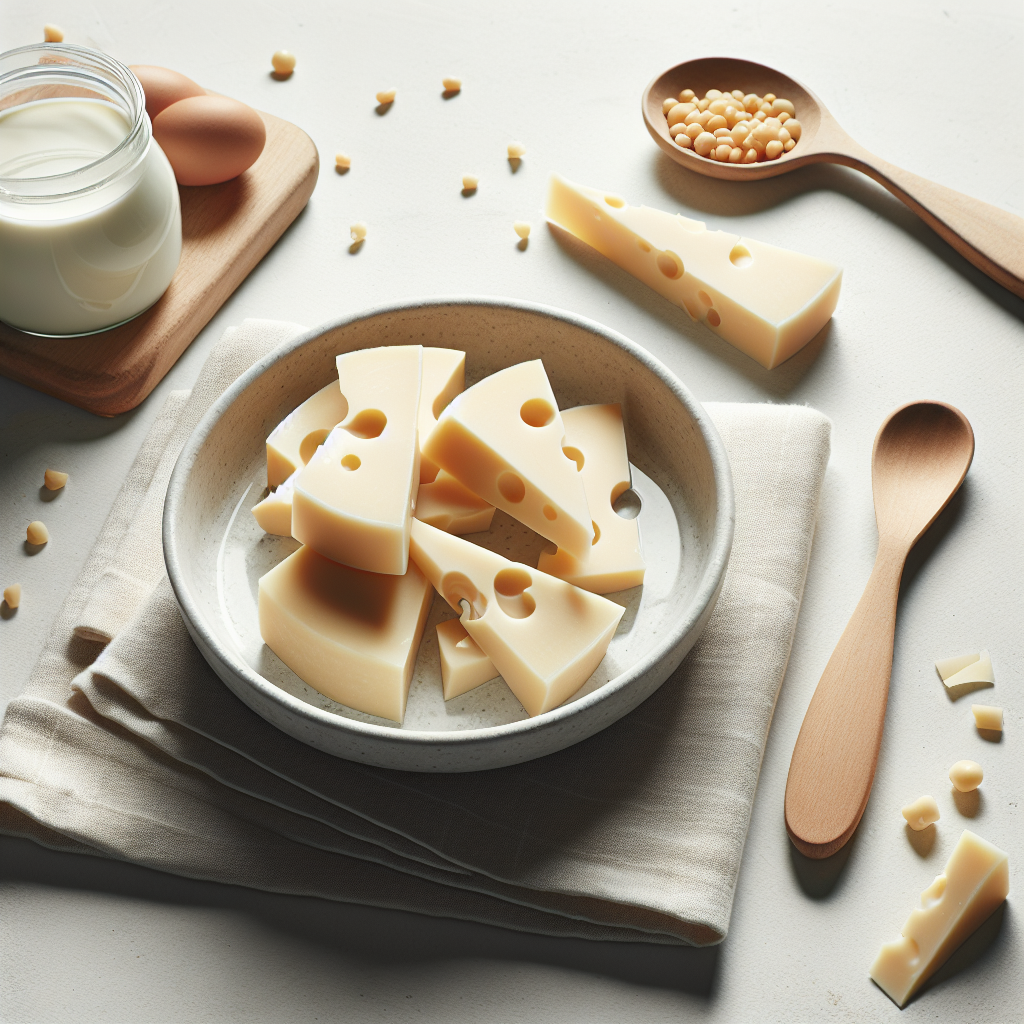
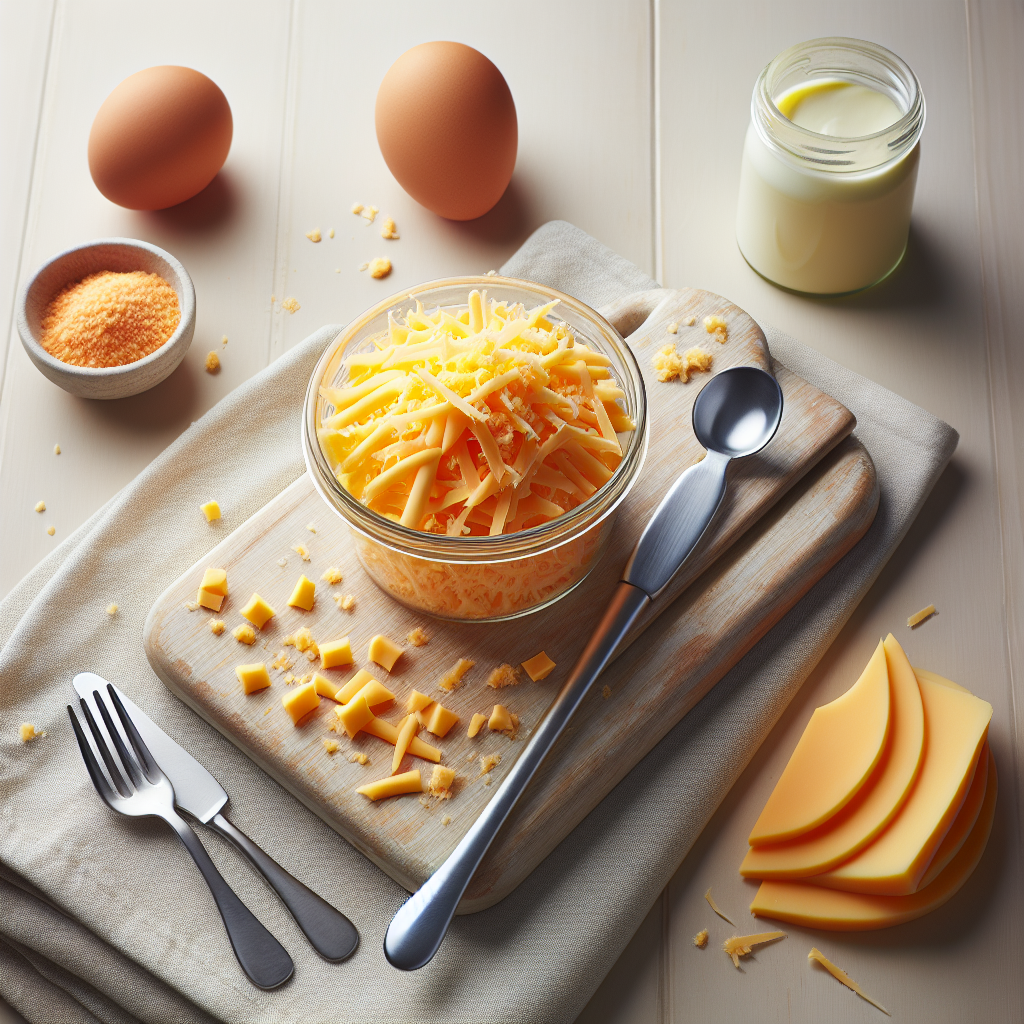
Grated Gouda can be introduced from around 6 months of age, once your baby is ready to start solid foods and showing signs of readiness for baby-led weaning. As with all dairy products, it's best to offer it in small amounts at first, particularly if your baby has not yet been exposed to cow's milk protein. Watch for any signs of a cow's milk protein allergy, especially if dairy is new to your baby's diet.
Is Gouda grated healthy for babies?
Grated Gouda is an excellent source of protein, which supports your baby's growth and development. It also provides calcium and phosphorus, both essential for building strong bones and teeth. Gouda contains vitamin A and fat-soluble vitamins that support vision, immune function, and overall health.
Lower-risk serving reminders
Grated Gouda presents a low choking risk because the small, soft shreds easily stick to the tongue and palate, allowing babies to manage them without difficulty. The fine texture melts quickly with saliva, making it easier for babies to move around the mouth and swallow safely.
Allergen information
Gouda is made from cow's milk and is therefore a common allergen. When introducing Gouda for the first time, watch for signs of an allergic reaction such as hives, vomiting, or rashes around the mouth, and consult your GP if you have concerns.
Milk (dairy)
General feeding checklist
Seat baby upright and stable for all meals.
Model slow chewing and allow baby to control pace.
Stop and reset if baby is upset, tired, or over-stuffed.
Readiness signs to check
Baby can sit upright with minimal support during meals.
Hands and mouth coordinate for bringing food to the mouth.
Tongue-thrust reflex is reduced, so food is not immediately pushed out.
Interest in self-feeding and opening mouth for food cues is visible.
Pause and seek advice if
Coughing is persistent or distress does not settle quickly during meals.
You notice repeated vomiting, rash, swelling, wheeze, or breathing changes after a food.
Baby struggles with swallowing progression over multiple meals despite texture adjustments.
There is a known medical condition affecting feeding, growth, or airway safety.
For babies aged 6 to 8 months, offer grated Gouda melted onto strips of wholegrain toast or stirred into warm porridge or mashed vegetables so it sticks together. You can also sprinkle a small amount of grated Gouda onto soft cooked vegetables such as broccoli florets or sweet potato wedges, where it will cling to the surface and be easy for baby to grasp. At this age, focus on serving cheese in ways that make it easy to pick up and explore.
9–11 months
As your baby develops their pincer grasp between 9 and 11 months, you can offer grated Gouda sprinkled onto finger foods such as toast, pasta, or soft cooked vegetables, allowing them to practise picking up smaller pieces. You can also stir grated Gouda into scrambled eggs, risotto, or grain dishes where the cheese melts slightly and adds flavour. Continue to offer it in small amounts as part of balanced meals.
12–24 months
From 12 months onwards, grated Gouda can be served as a topping for family meals such as baked potatoes, pasta bakes, or mixed into omelettes and frittatas. Your toddler can also enjoy grated Gouda sprinkled over soups, salads, or grain bowls, or offered alongside fruit and vegetables as part of a balanced snack. At this stage, cheese becomes a versatile ingredient in everyday cooking.
Common questions about Gouda grated
Is Gouda cheese safe for babies?
Yes, Gouda is safe for babies from 6 months when offered in appropriate forms such as grated or melted. Choose full-fat varieties and watch for signs of a cow's milk allergy if dairy is new to your baby.
Can I give my baby Gouda cheese every day?
Cheese can be offered regularly as part of a varied diet, but aim for moderation due to its sodium content. Offering cheese a few times a week alongside other protein sources supports balanced nutrition.
Does grated Gouda need to be melted for babies?
Grated Gouda does not need to be melted, though melting it onto toast or vegetables can make it easier for younger babies to pick up and eat. Either way is safe and appropriate from 6 months.