Lower-risk serving reminders
Well-cooked farro has a low choking risk because the grains become soft and tender, breaking down easily in the mouth. The small, oval grains can be mashed between gums or swallowed safely when prepared correctly.
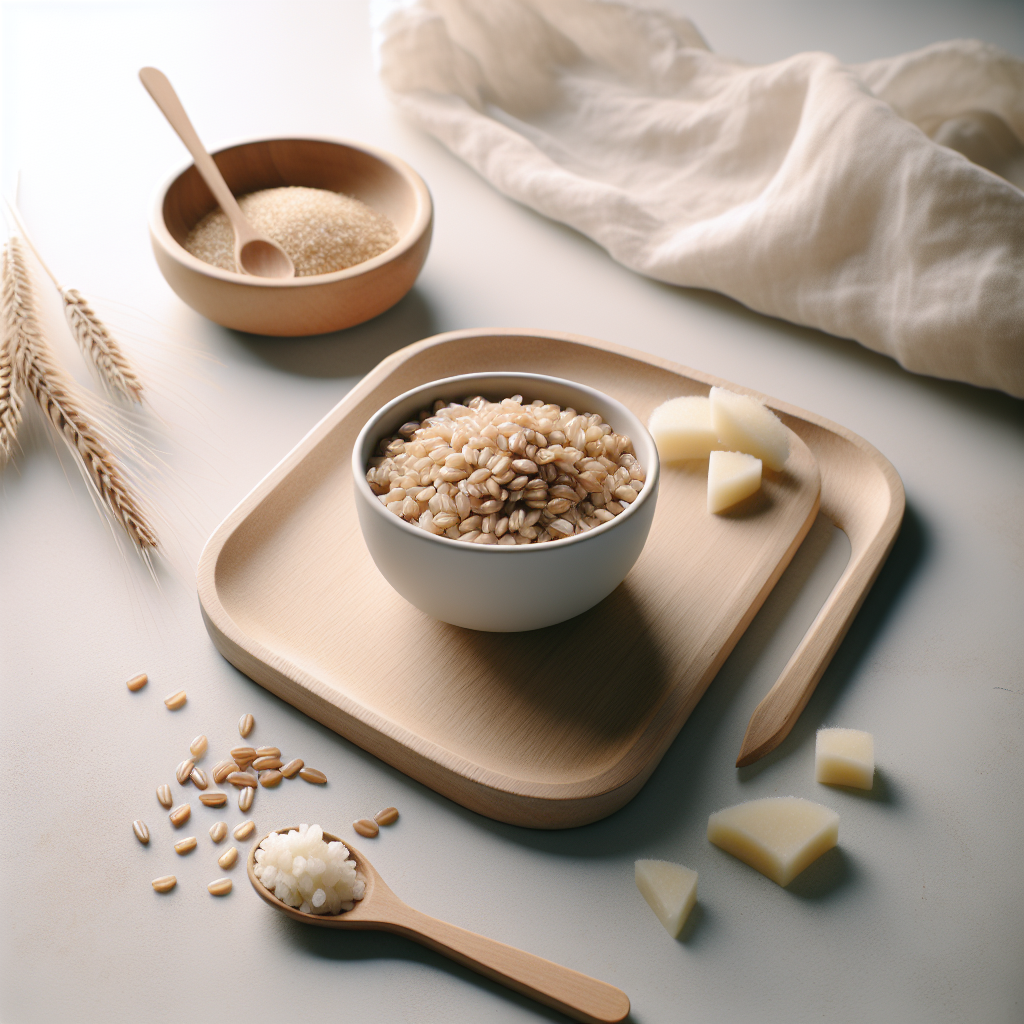
Farro can be introduced as soon as your baby is ready to start solids, which is typically around 6 months of age. When well-cooked until soft, farro becomes tender and easy for babies to manage as they learn to eat. As farro contains gluten, it should be introduced alongside other foods in regular, age-appropriate portions to support early allergen exposure.
Farro is rich in plant-based protein and iron, both of which are essential nutrients for growing babies. It also provides fibre to support healthy digestion and B vitamins for energy and development. The combination of protein and iron makes farro a particularly valuable whole grain choice during the early months of complementary feeding.
Well-cooked farro has a low choking risk because the grains become soft and tender, breaking down easily in the mouth. The small, oval grains can be mashed between gums or swallowed safely when prepared correctly.
Farro contains wheat and gluten, which are common allergens. Introduce farro in small amounts at first and watch for signs of an allergic reaction, such as hives, swelling, vomiting, or difficulty breathing.
Detailed prep guidance tailored to each stage.
Cook farro in plenty of water or broth until very soft and tender, which may take 25 to 40 minutes depending on the type. The grains should mash easily between your fingers. Mix the cooked farro with breast milk, formula, or plain yogurt to bind the grains together, making them easier for your baby to scoop with their hands or manage in their mouth, and serve in a bowl for self-feeding.
Continue to cook farro until soft, but you can now serve it as loose grains in a bowl for your baby to practise scooping with their hands or a pre-loaded spoon. You can also form the cooked farro into soft patties or balls by mixing with mashed vegetables, egg, or nut butter, which are easier for developing pincer grasp. Farro can be stirred into soups, stews, or served alongside other finger foods.
At this age, farro can be served as part of family meals in its loose grain form or mixed into casseroles, salads, and grain bowls. You can also shape cooked farro into fingers or fritters that toddlers can hold and bite independently. Continue to ensure the grains are well-cooked and tender, though they can have a bit more texture as your toddler's chewing skills improve.