Baby-led weaning · age-specific guide
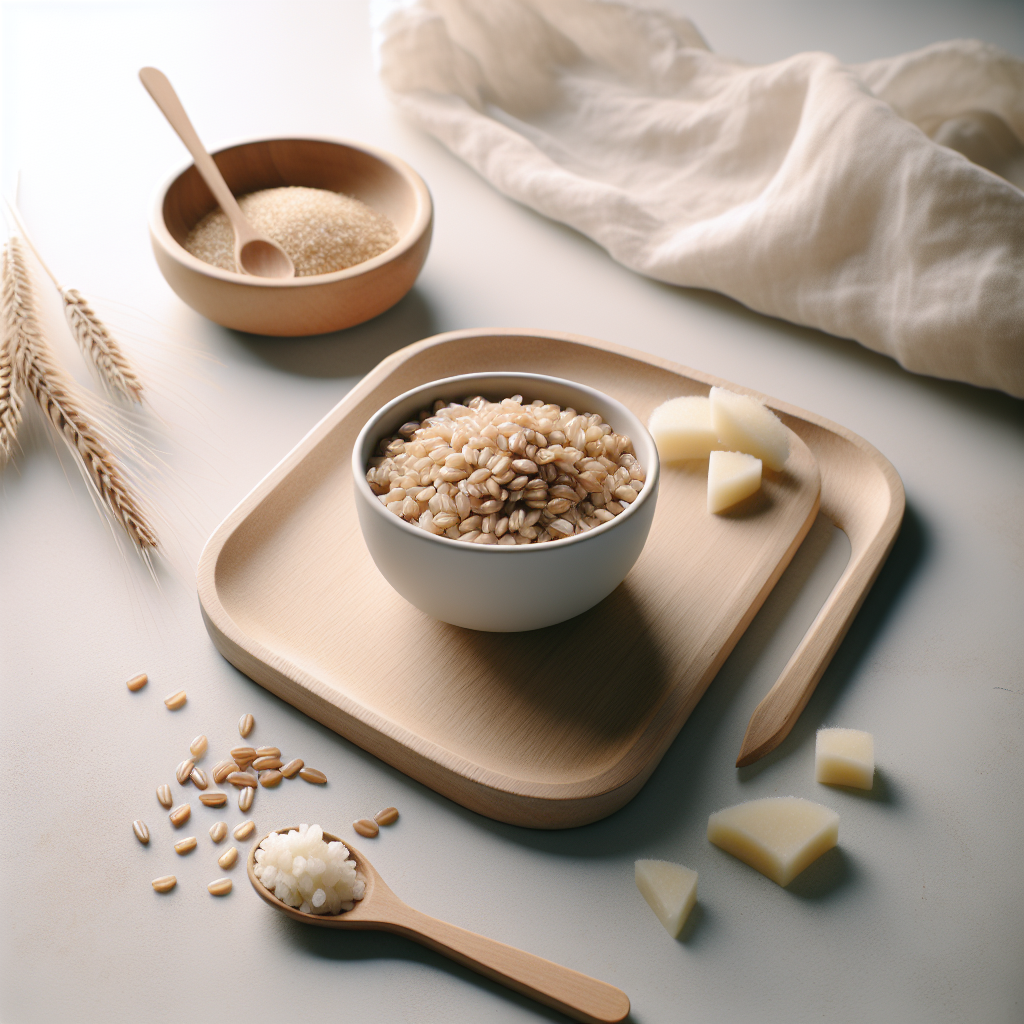
Farro soft for 12–24 months
Farro can be introduced as soon as your baby is ready to start solids, which is typically around 6 months of age. When well-cooked until soft, farro becomes tender and easy for babies to manage as they learn to eat. As farro contains gluten, it should be introduced alongside other foods in regular, age-appropriate portions to support early allergen exposure.
How to serve at 12–24 months
At this age, farro can be served as part of family meals in its loose grain form or mixed into casseroles, salads, and grain bowls. You can also shape cooked farro into fingers or fritters that toddlers can hold and bite independently. Continue to ensure the grains are well-cooked and tender, though they can have a bit more texture as your toddler's chewing skills improve.
Nutrition highlights
Farro is rich in plant-based protein and iron, both of which are essential nutrients for growing babies. It also provides fibre to support healthy digestion and B vitamins for energy and development. The combination of protein and iron makes farro a particularly valuable whole grain choice during the early months of complementary feeding.
Lower-risk serving reminders
Well-cooked farro has a low choking risk because the grains become soft and tender, breaking down easily in the mouth. The small, oval grains can be mashed between gums or swallowed safely when prepared correctly.
Allergen information
Farro contains wheat and gluten, which are common allergens. Introduce farro in small amounts at first and watch for signs of an allergic reaction, such as hives, swelling, vomiting, or difficulty breathing.
Wheat / gluten
Common questions
What is the difference between farro and other grains for babies?
Farro is an ancient wheat grain with a slightly chewy texture when cooked, offering more protein and iron than many other grains like white rice. It has a mild, nutty flavour that pairs well with both sweet and savoury foods.
Do I need to soak farro before cooking it for my baby?
Soaking farro for a few hours or overnight can reduce cooking time and may improve digestibility, but it is not essential. Whether soaked or not, cook farro until very soft for young babies.
Can I use pearled or semi-pearled farro for baby-led weaning?
Yes, both pearled and semi-pearled farro work well for babies as they cook more quickly and become softer than whole farro. Just ensure whichever type you choose is cooked until completely tender.
General feeding checklist
- Seat baby upright and stable for all meals.
- Model slow chewing and allow baby to control pace.
- Stop and reset if baby is upset, tired, or over-stuffed.
Readiness signs to check
- Baby can sit upright with minimal support during meals.
- Hands and mouth coordinate for bringing food to the mouth.
- Tongue-thrust reflex is reduced, so food is not immediately pushed out.
- Interest in self-feeding and opening mouth for food cues is visible.
Pause and seek advice if
- Coughing is persistent or distress does not settle quickly during meals.
- You notice repeated vomiting, rash, swelling, wheeze, or breathing changes after a food.
- Baby struggles with swallowing progression over multiple meals despite texture adjustments.
- There is a known medical condition affecting feeding, growth, or airway safety.
Other ages: 6–8 months · 9–11 months