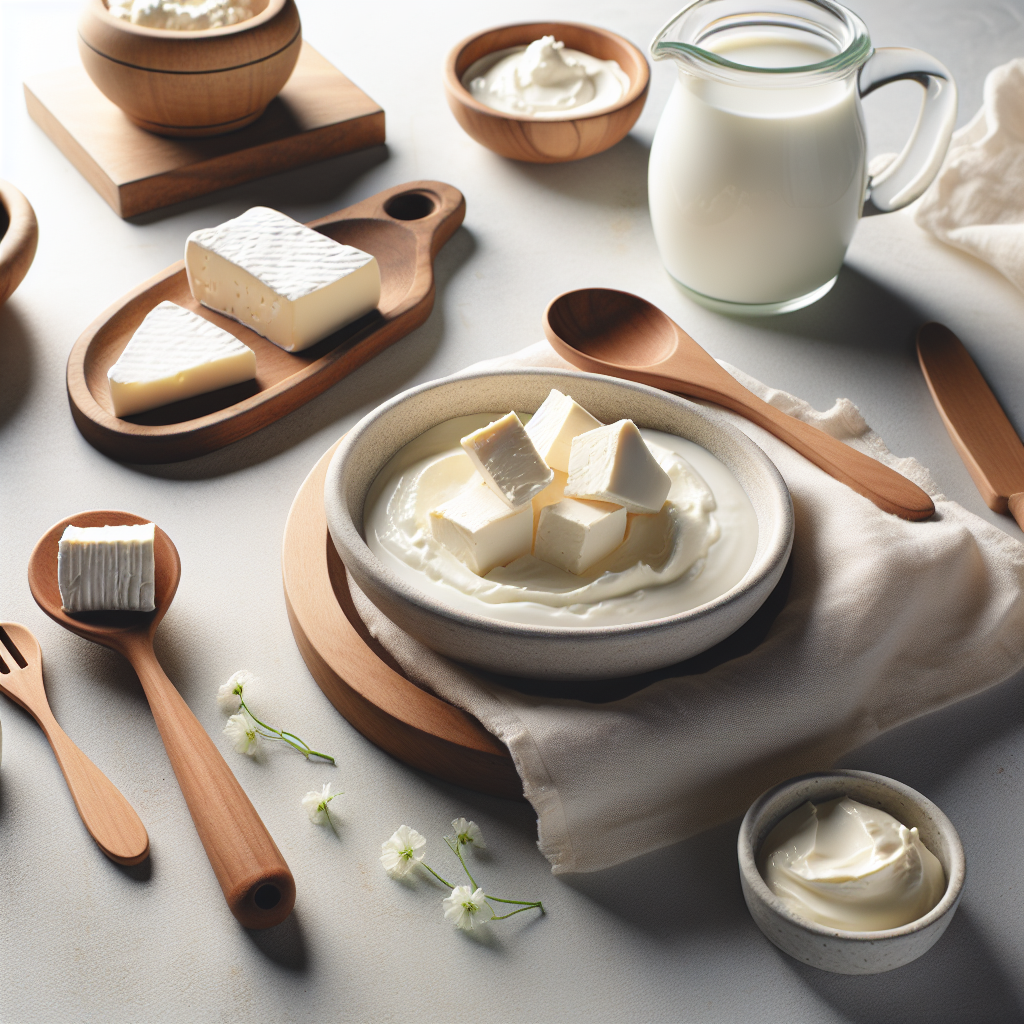
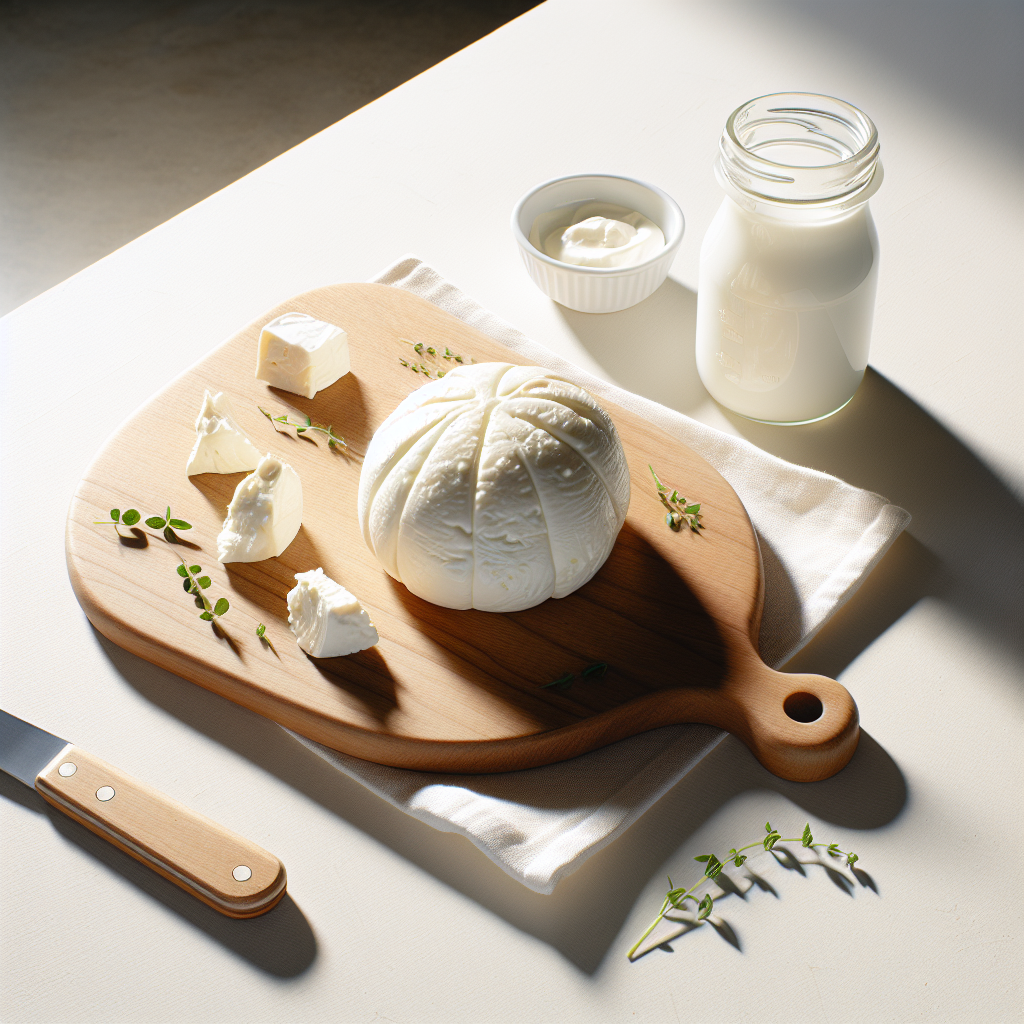
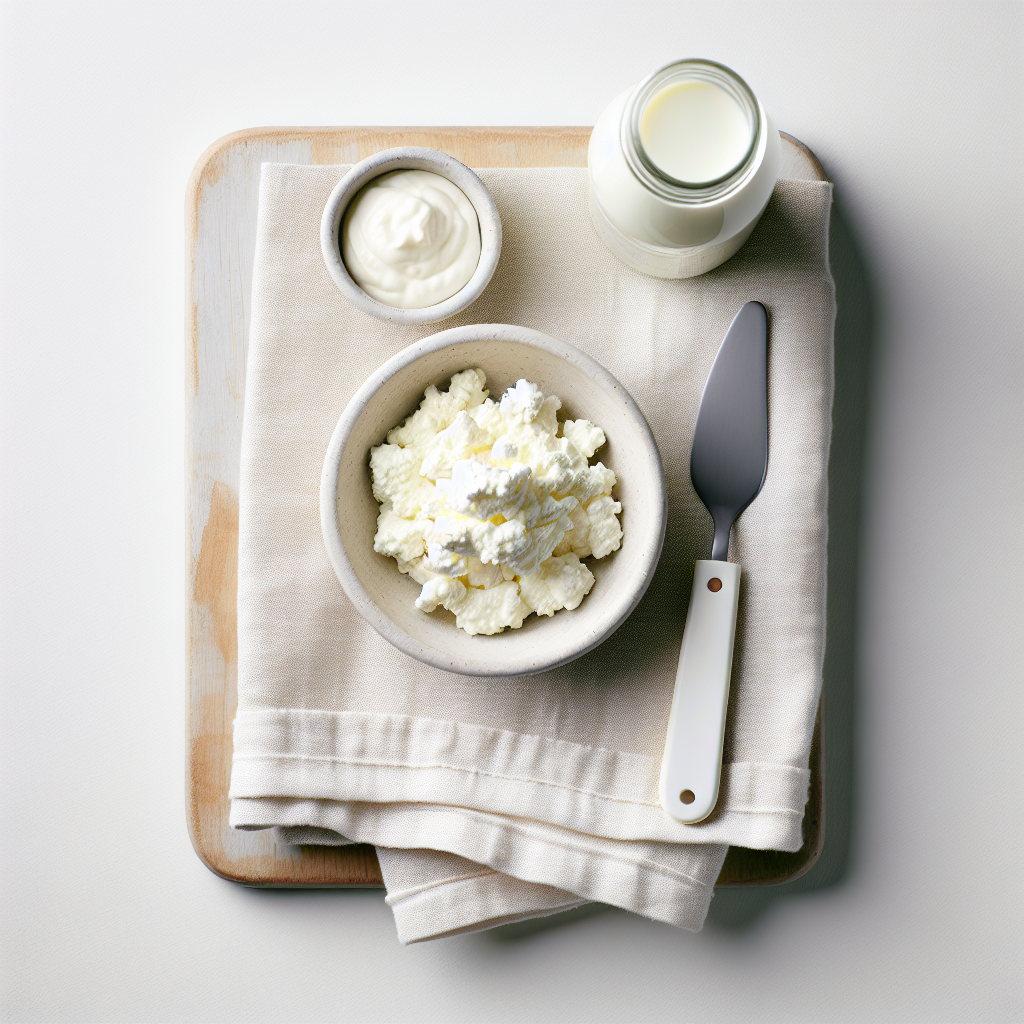
Cream cheese can be introduced as soon as your baby is ready to start solid foods, which is typically around 6 months of age. As a dairy product, cream cheese contains milk, which is a common allergen, so it's important to introduce it carefully and watch for signs of an allergic reaction. Choose full-fat varieties without added salt or flavourings to support your baby's developing nutritional needs.
Is Cream cheese healthy for babies?
Cream cheese provides protein and fat, both of which are essential for your baby's growth, brain development, and energy needs. It also contains calcium and phosphorus to support developing bones and teeth, as well as vitamin A for healthy vision and immune function. While cream cheese offers nutritional benefits, it tends to be lower in protein and calcium compared to harder cheeses and higher in fat and calories per serving.
Lower-risk serving reminders
Cream cheese has a low choking risk because of its soft, spreadable texture that naturally breaks down in the mouth and mixes with saliva. When served thinly spread on foods or mixed into dishes, it does not form a solid mass that could obstruct the airway.
Allergen information
Cream cheese contains milk, which is one of the most common food allergens in infancy. When introducing cream cheese for the first time, watch for signs of an allergic reaction such as hives, vomiting, or signs of cow's milk protein allergy including persistent eczema, blood in stools, or digestive discomfort.
Milk (dairy)
General feeding checklist
Seat baby upright and stable for all meals.
Model slow chewing and allow baby to control pace.
Stop and reset if baby is upset, tired, or over-stuffed.
Readiness signs to check
Baby can sit upright with minimal support during meals.
Hands and mouth coordinate for bringing food to the mouth.
Tongue-thrust reflex is reduced, so food is not immediately pushed out.
Interest in self-feeding and opening mouth for food cues is visible.
Pause and seek advice if
Coughing is persistent or distress does not settle quickly during meals.
You notice repeated vomiting, rash, swelling, wheeze, or breathing changes after a food.
Baby struggles with swallowing progression over multiple meals despite texture adjustments.
There is a known medical condition affecting feeding, growth, or airway safety.
Spread a thin layer of full-fat cream cheese on strips of lightly toasted bread or rice cakes, ensuring the pieces are about the size of two adult fingers placed together so your baby can grip them easily. You can also spread cream cheese on steamed vegetable spears like courgette or carrot to add moisture and make them easier to hold. If this is your baby's first exposure to dairy, serve cream cheese on its own or with other already-introduced foods and watch for any signs of an allergic reaction over the following days.
9–11 months
Continue offering cream cheese spread on fingers of toast, rice cakes, or crackers that your baby can self-feed, or stir it into mashed vegetables, pasta, or grains to add creaminess and boost calories. You can also offer small dollops of cream cheese on a preloaded spoon or let your baby scoop it up with their fingers as a dip for soft cooked vegetables or strips of bread. At this age, babies are developing their pincer grasp, so small pieces of toast with cream cheese can encourage this emerging skill.
12–24 months
Offer cream cheese spread on toast fingers, crackers, or breadsticks, or serve it as a dip alongside vegetable sticks, fruit slices, or bite-sized pieces of bread. You can also mix cream cheese into scrambled eggs, pasta sauces, or mashed potatoes to add richness and extra calories. As your toddler's eating skills advance, they can begin to spread cream cheese themselves with a child-safe knife, which supports fine motor development and independence at mealtimes.
Common questions about Cream cheese
Is cream cheese safe for babies under one year old?
Yes, full-fat cream cheese is safe for babies from 6 months as long as milk has been introduced as an allergen and your baby shows no signs of cow's milk protein allergy or intolerance.
Should I choose low-fat cream cheese for my baby?
No, babies under two years need full-fat dairy products to support their rapid growth and brain development, so always choose full-fat cream cheese rather than reduced-fat versions.
Can I give my baby cream cheese every day?
Cream cheese can be part of a varied diet, but it's best to rotate between different dairy products like yogurt, cheese, and cottage cheese to provide a broader range of nutrients and textures.