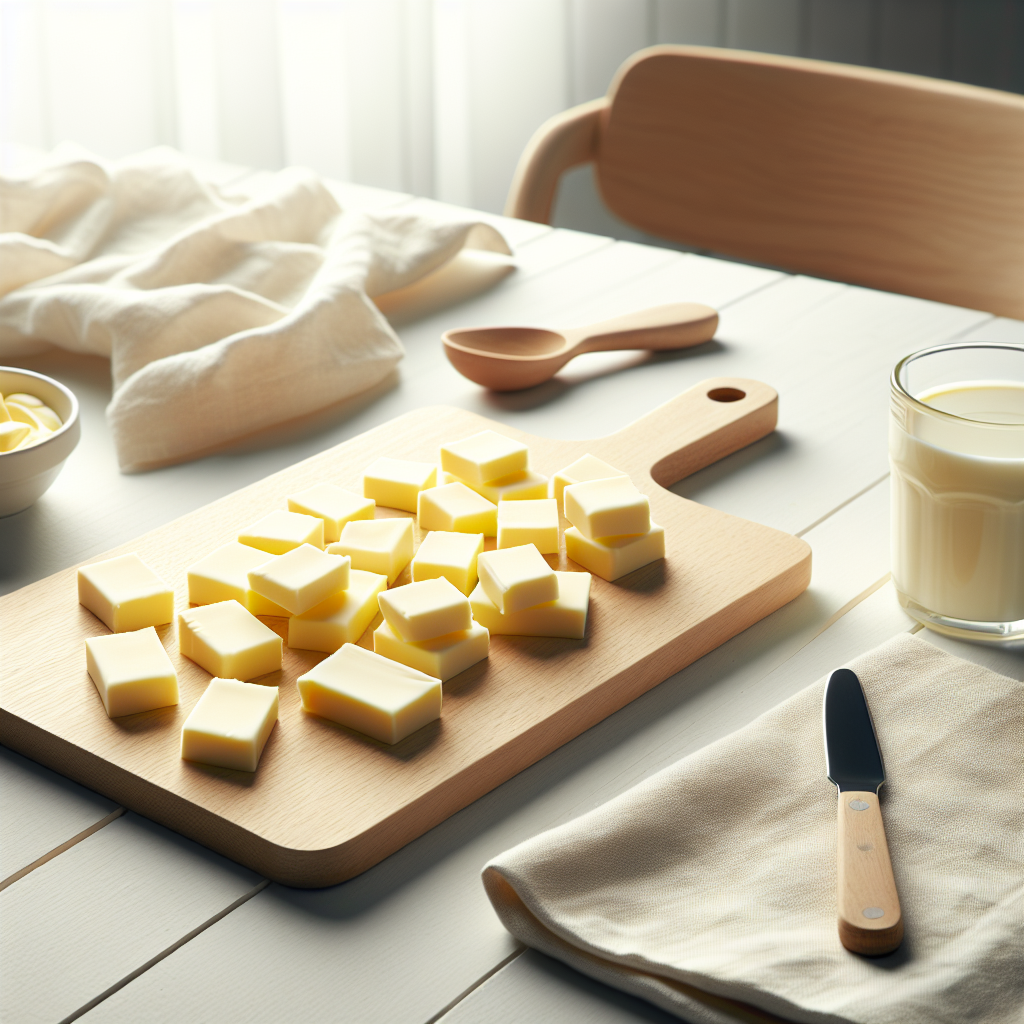
Unsalted butter can be introduced as soon as your baby is ready to start solid foods, which is typically around 6 months of age. Butter is made from cow's milk, so it contains milk protein and should be introduced carefully if your baby has not yet tried dairy. Watch for signs of cow's milk protein allergy, especially if there is a family history of dairy intolerance or allergy.
Is Butter unsalted thin healthy for babies?
Unsalted butter is a concentrated source of fat, which is essential for babies' rapid brain development and provides energy for growth. It contains fat-soluble vitamins A, D, and E, which support vision, immune function, and skin health. While butter is primarily fat rather than protein, it offers a small amount of protein and can help babies absorb nutrients from other foods when used in combination with vegetables or grains.
Lower-risk serving reminders
Unsalted butter poses a low choking risk because it melts quickly in the mouth and on warm foods, making it easy for babies to manage. When spread thinly on appropriate foods like toast or stirred into purees, it does not form a solid mass that could obstruct the airway.
Allergen information
Butter contains milk protein, which is one of the most common allergens in infancy. When introducing butter for the first time, offer a small amount and watch for signs of an allergic reaction such as hives, vomiting, diarrhoea, or difficulty breathing.
Milk (dairy)
General feeding checklist
Seat baby upright and stable for all meals.
Model slow chewing and allow baby to control pace.
Stop and reset if baby is upset, tired, or over-stuffed.
Readiness signs to check
Baby can sit upright with minimal support during meals.
Hands and mouth coordinate for bringing food to the mouth.
Tongue-thrust reflex is reduced, so food is not immediately pushed out.
Interest in self-feeding and opening mouth for food cues is visible.
Pause and seek advice if
Coughing is persistent or distress does not settle quickly during meals.
You notice repeated vomiting, rash, swelling, wheeze, or breathing changes after a food.
Baby struggles with swallowing progression over multiple meals despite texture adjustments.
There is a known medical condition affecting feeding, growth, or airway safety.
Spread a thin layer of unsalted butter on strips of toast about the size of two adult fingers placed together, ensuring the butter melts slightly into the bread for easier handling. You can also stir a small knob of butter into warm vegetable purees, porridge, or mashed foods to add healthy fats and help with nutrient absorption. Keep the butter layer thin to avoid it being too greasy for little hands to grasp.
9–11 months
Continue spreading unsalted butter thinly on finger foods like toast strips, crumpets, or pancakes, allowing your baby to self-feed as their pincer grasp develops. You can also melt a small amount of butter into pasta, cooked grains, or steamed vegetables to add flavour and fat. At this age, babies can manage slightly thicker spreads as their oral motor skills improve.
12–24 months
Offer unsalted butter spread on a variety of breads, crackers, or toast that your toddler can bite and chew independently. You can also involve your toddler in spreading butter themselves using a child-safe spreader to build fine motor skills. Continue using butter to cook vegetables, grains, and other family foods, gradually transitioning to the same butter your family uses at mealtimes.
Common questions about Butter unsalted thin
Can I give my baby salted butter instead of unsalted butter?
It's best to choose unsalted butter for babies under 12 months to keep sodium intake low. After the first birthday, small amounts of salted butter are acceptable as part of family meals.
How much butter can I give my baby?
A thin spread on toast or a small knob melted into vegetables is appropriate. Butter should be used as a complementary fat source rather than a main food, as babies need a varied diet.
Does butter need to be organic or grass-fed for babies?
Standard unsalted butter is perfectly suitable for babies. Organic or grass-fed options may contain slightly more beneficial fatty acids, but any unsalted butter provides the essential fats babies need.