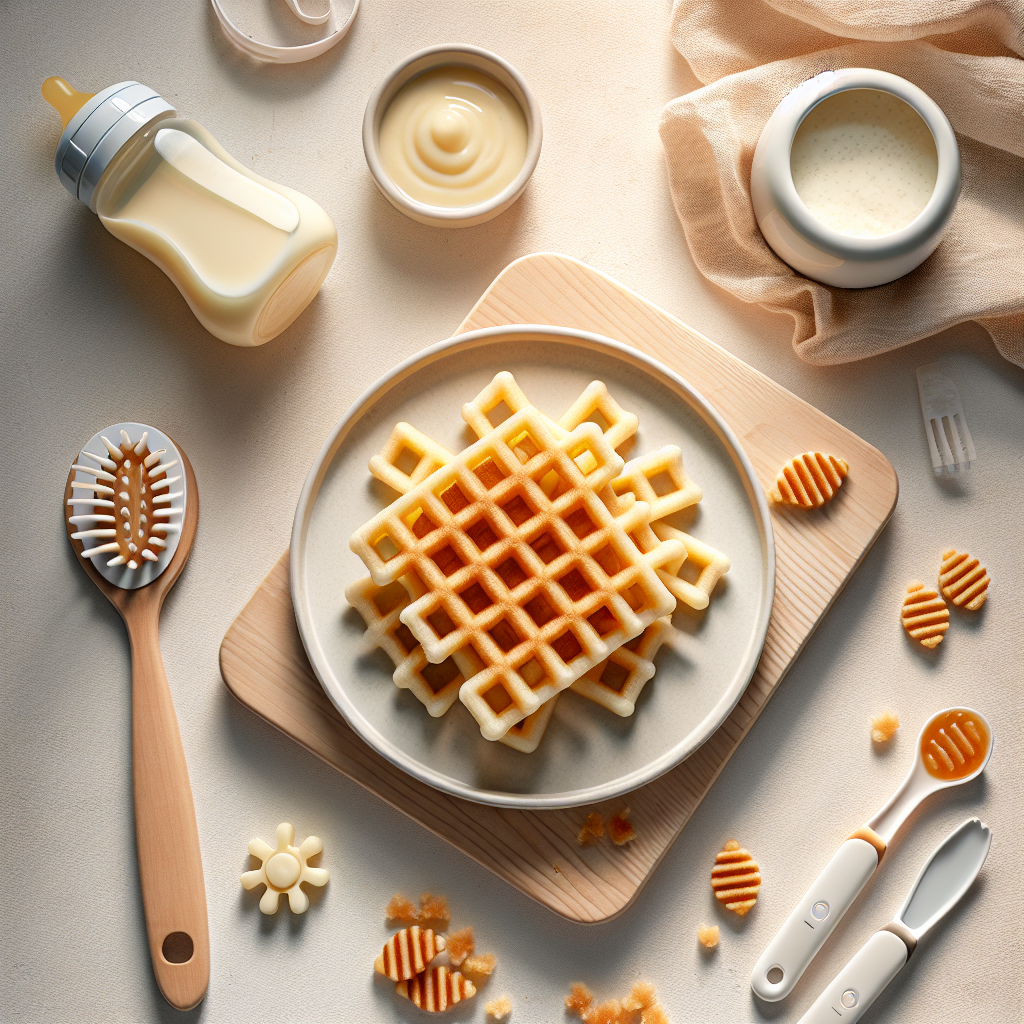
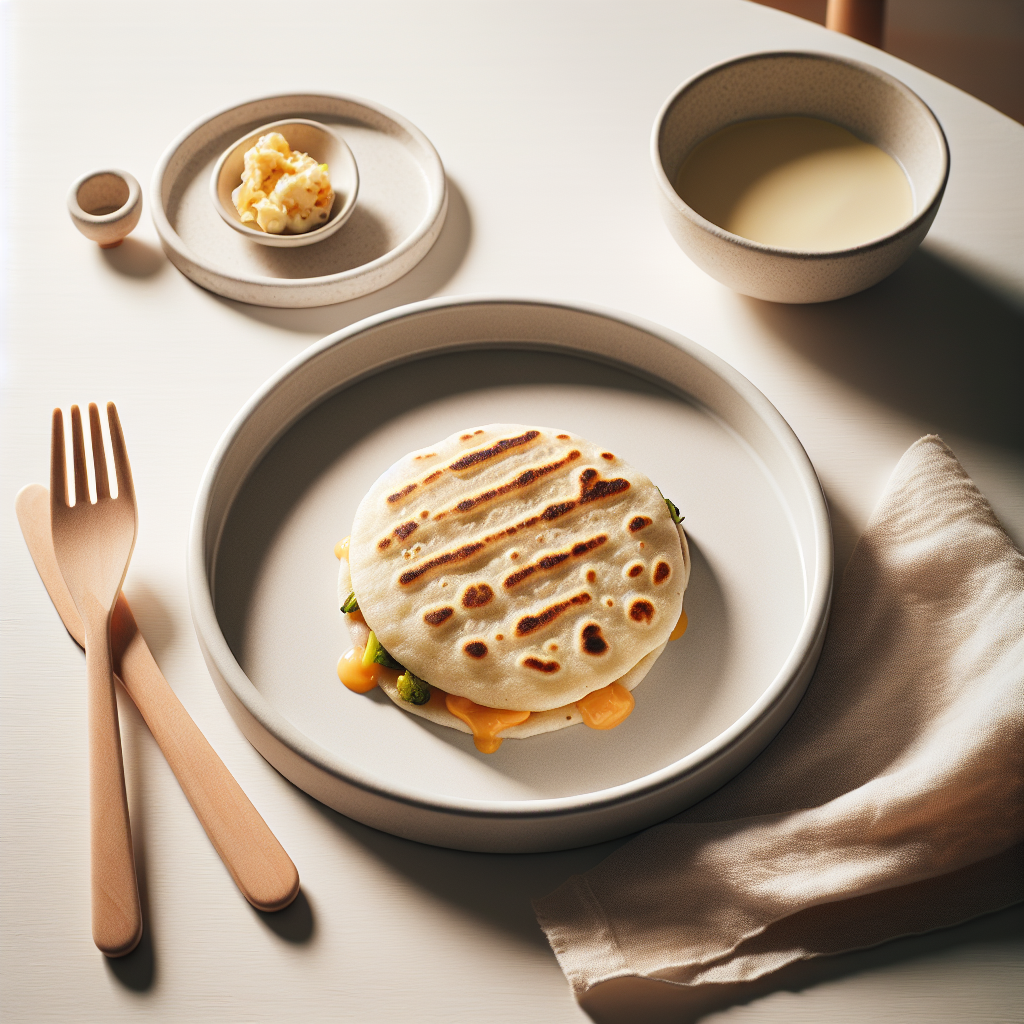
Waffle strips can be introduced from around 6 months of age, as soon as your baby is ready to start solid foods. Choose waffles that are soft and easily compressible between your fingers, as harder or crispy waffles pose a greater choking risk. Look for options that are low in added sugar and salt, and serve them plain or with toppings that are age-appropriate for your baby.
Is Waffle strip healthy for babies?
Waffles are primarily a source of carbohydrates for energy, though their nutritional value varies widely depending on ingredients. Wholegrain or wholemeal waffles offer more fibre, B vitamins, and minerals than refined white flour versions. Waffles are generally low in iron and protein on their own, so pair them with nutrient-dense toppings like nut or seed butter, mashed avocado, or full-fat yogurt to create a more balanced meal.
Lower-risk serving reminders
Waffle strips have a low choking risk when served soft and appropriately sized, as they break down easily in the mouth and become mashable with gums. Avoid toasting waffles until crispy for younger babies, as hard or crunchy textures increase choking risk.
Allergen introduction checklist
Waffles typically contain common allergens including wheat, eggs, and milk, so it's important to check the ingredient list carefully. If your baby has not yet been introduced to these allergens, offer waffles after each allergen has been introduced separately and tolerated.
General feeding checklist
Seat baby upright and stable for all meals.
Model slow chewing and allow baby to control pace.
Stop and reset if baby is upset, tired, or over-stuffed.
Readiness signs to check
Baby can sit upright with minimal support during meals.
Hands and mouth coordinate for bringing food to the mouth.
Tongue-thrust reflex is reduced, so food is not immediately pushed out.
Interest in self-feeding and opening mouth for food cues is visible.
Pause and seek advice if
Coughing is persistent or distress does not settle quickly during meals.
You notice repeated vomiting, rash, swelling, wheeze, or breathing changes after a food.
Baby struggles with swallowing progression over multiple meals despite texture adjustments.
There is a known medical condition affecting feeding, growth, or airway safety.
Serve waffle strips that are soft and pliable, cut into pieces about the size of an adult finger (roughly 5 cm long and 1 to 2 cm wide). The waffle should be easy to squish between your fingers and not toasted, as babies at this age are still learning to move food around their mouth and bite with their gums. Offer plain waffles on their own, or spread a thin layer of smooth nut or seed butter, mashed banana, or full-fat yogurt on top to add nutrition and moisture.
9–11 months
Continue offering soft waffle strips, now cut into slightly smaller pieces to encourage developing pincer grasp—try cutting into thick strips or quartering individual waffle squares. Babies at this stage can manage slightly more texture, so waffles can be very lightly warmed but should still remain soft rather than crispy. Serve with dips like hummus, yogurt, or mashed avocado alongside to encourage self-feeding with hands or a pre-loaded spoon.
12–24 months
Toddlers can manage lightly toasted waffle strips or small bite-sized pieces as their chewing skills mature, though waffles should still yield easily to pressure. Cut waffles into quarters, strips, or fun shapes using a cutter to keep mealtimes engaging. Serve as part of a balanced meal with protein-rich toppings like nut butter, ricotta, or scrambled egg, and offer fresh fruit on the side to round out nutrition.
Common questions about Waffle strip
Can I serve toasted waffles to my baby?
Lightly toasted waffles are suitable from around 12 months once your baby has developed stronger biting and chewing skills. For younger babies, serve waffles soft and untoasted to reduce choking risk.
How do I cut waffles for baby-led weaning?
For babies 6 to 8 months, cut waffles into long strips about the length and width of an adult finger so they can hold one end and gnaw on the other. From 9 months onwards, you can offer smaller pieces or quartered sections as their pincer grasp develops.
Are frozen waffles safe for babies?
Frozen waffles are safe for babies once heated through and served soft, though they often contain more added sugar and salt than homemade versions. Check the ingredient list and choose options with the shortest, most recognisable ingredients when possible.