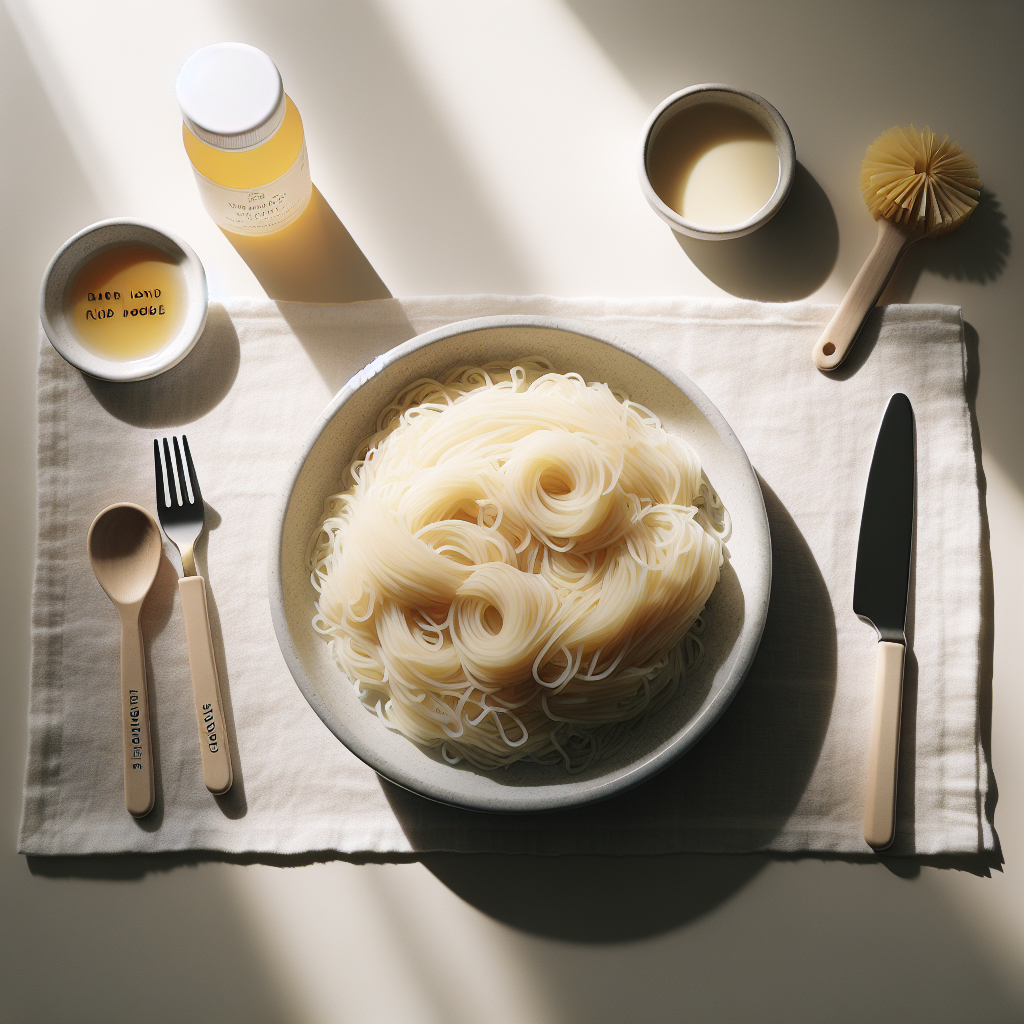
Vermicelli rice noodles can be introduced as soon as your baby is ready to start solid foods, which is typically around 6 months of age. These thin, delicate noodles cook quickly and become very soft, making them suitable for early eaters. Always ensure the noodles are well-cooked and appropriately prepared for your baby's developmental stage.
Is Vermicelli rice noodle healthy for babies?
Vermicelli rice noodles are primarily a source of carbohydrates, providing energy to support your baby's rapid growth and development. They contain small amounts of protein and some B vitamins, though they are not particularly nutrient-dense on their own. Pairing rice noodles with iron-rich foods, healthy fats, vegetables, or protein sources helps create a more balanced meal for your baby.
Lower-risk serving reminders
Vermicelli rice noodles have a low choking risk when cooked until completely soft, as they break down easily in the mouth and are thin enough for babies to manage. Their slippery texture and tendency to clump together make them safer than firmer pasta varieties.
Allergen information
Pure vermicelli rice noodles are typically made from rice flour and water, and are naturally free from common allergens including wheat and gluten. However, some commercial varieties may contain wheat or be processed in facilities that handle allergens, so always check the ingredient label carefully before serving.
Wheat / gluten
General feeding checklist
Seat baby upright and stable for all meals.
Model slow chewing and allow baby to control pace.
Stop and reset if baby is upset, tired, or over-stuffed.
Readiness signs to check
Baby can sit upright with minimal support during meals.
Hands and mouth coordinate for bringing food to the mouth.
Tongue-thrust reflex is reduced, so food is not immediately pushed out.
Interest in self-feeding and opening mouth for food cues is visible.
Pause and seek advice if
Coughing is persistent or distress does not settle quickly during meals.
You notice repeated vomiting, rash, swelling, wheeze, or breathing changes after a food.
Baby struggles with swallowing progression over multiple meals despite texture adjustments.
There is a known medical condition affecting feeding, growth, or airway safety.
Cook vermicelli rice noodles until very soft, then drain and allow to cool slightly. Mix a portion with breast milk, formula, or full-fat yogurt to create a thick, sticky consistency that clumps together and is easier for your baby to scoop with their hands. You can also serve the noodles in a small mound on the tray, where they will naturally stick together, or stir them into a vegetable purée or bolognese sauce to add texture and make them easier to grasp.
9–11 months
Continue to cook vermicelli rice noodles until soft, and serve them loose on the tray for your baby to practise their pincer grasp by picking up individual strands or small clumps. You can also pre-load a spoon with noodles mixed with sauce or vegetables to encourage self-feeding with utensils. Another option is to form the cooked noodles into small patties by mixing with egg and pan-frying until set, creating easy-to-hold finger foods.
12–24 months
Serve vermicelli rice noodles as part of family meals, whether in soups, stir-fries, or cold noodle salads with vegetables and protein. At this age, your toddler can manage longer strands and may enjoy practising with a fork or chopsticks. Continue to cook the noodles until soft rather than al dente, and mix with a variety of sauces, vegetables, and protein sources to create balanced, flavourful meals.
Common questions about Vermicelli rice noodle
Are vermicelli rice noodles gluten-free for babies?
Pure vermicelli rice noodles made only from rice flour and water are naturally gluten-free, but some brands may contain wheat or gluten, so always check the ingredient label to be certain.
How do I stop vermicelli rice noodles from being too slippery for my baby?
Mix cooked vermicelli with breast milk, formula, yogurt, or a sauce to help bind the noodles together and reduce slipperiness, making them easier for young babies to grasp and self-feed.
Can I serve vermicelli rice noodles cold to my baby?
Yes, vermicelli rice noodles can be served at room temperature or cold, which can be particularly nice in warm weather or as part of a cold noodle salad with vegetables and protein.