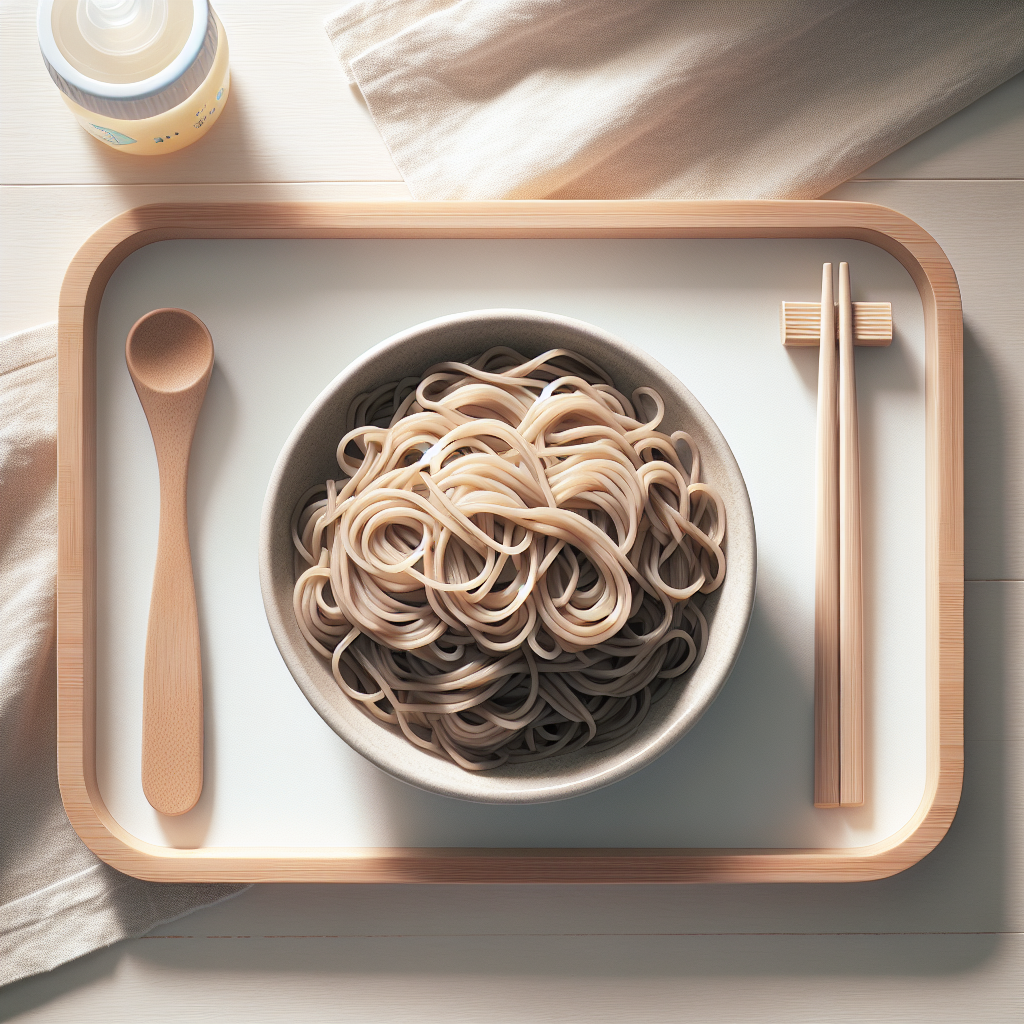
Soba noodles can be introduced as soon as your baby is ready to start solid foods, which is typically around 6 months of age. When well-cooked until very soft, soba noodles are easy for young babies to gum and swallow. Because soba noodles traditionally contain wheat (and sometimes buckwheat), it's important to introduce them carefully as a potential allergen.
Is Soba noodle soft healthy for babies?
Soba noodles provide carbohydrates for energy and, when made with buckwheat, offer more fibre and B vitamins than refined wheat pasta. They contain small amounts of protein and minerals like manganese, though they are not considered a high-protein or iron-rich food. Pairing soba noodles with nutrient-dense toppings like vegetables, eggs, or legumes creates a more balanced meal for your baby.
Lower-risk serving reminders
Soft, well-cooked soba noodles pose a low choking risk because they break apart easily in the mouth and can be gummed by babies without teeth. Their slippery texture when cooked means they slide down the throat rather than forming a blockage, especially when cut to an appropriate length.
Allergen information
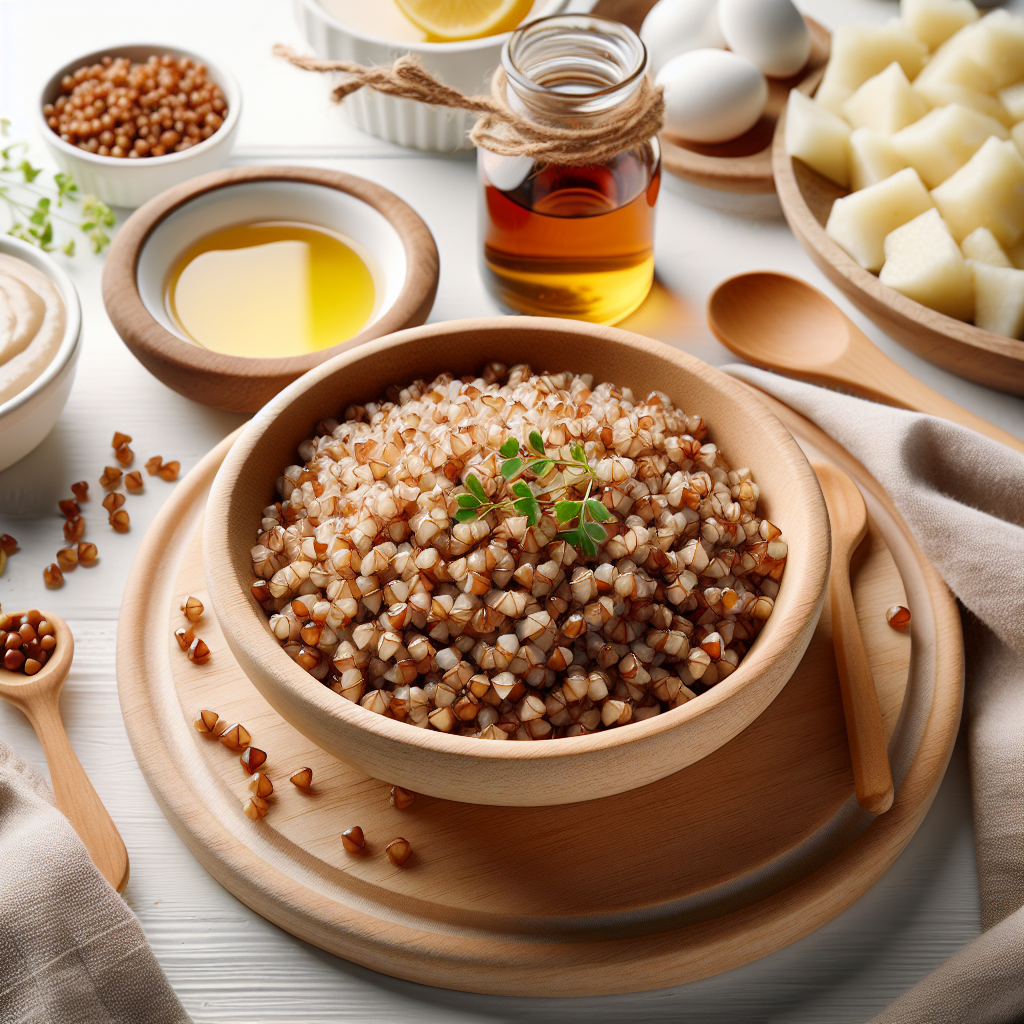
Soba noodles typically contain wheat, which is a common allergen and should be introduced carefully and watched for signs of reaction. Some soba noodles are made with 100% buckwheat, but many commercially available versions contain a blend of buckwheat and wheat flour, so always check the ingredients list.
Wheat / gluten
General feeding checklist
Seat baby upright and stable for all meals.
Model slow chewing and allow baby to control pace.
Stop and reset if baby is upset, tired, or over-stuffed.
Readiness signs to check
Baby can sit upright with minimal support during meals.
Hands and mouth coordinate for bringing food to the mouth.
Tongue-thrust reflex is reduced, so food is not immediately pushed out.
Interest in self-feeding and opening mouth for food cues is visible.
Pause and seek advice if
Coughing is persistent or distress does not settle quickly during meals.
You notice repeated vomiting, rash, swelling, wheeze, or breathing changes after a food.
Baby struggles with swallowing progression over multiple meals despite texture adjustments.
There is a known medical condition affecting feeding, growth, or airway safety.
Cook soba noodles until very soft, then serve them whole in their full length so babies can grasp the middle with their fist whilst the ends hang down on either side. If the noodles are too slippery, toss them lightly in breast milk, formula, plain yoghurt, or a thin nut or seed butter to add grip. You can also mix short lengths of soba noodles into mashed vegetables or yoghurt to help babies scoop them up.
9–11 months
Continue to cook soba noodles until soft and serve them whole or cut into shorter lengths of around 5–8 cm as your baby's pincer grasp develops. Offer soba noodles on their own for practising self-feeding or toss them with finely chopped vegetables, shredded chicken, or a sauce for added nutrition. You can also pre-load a spoon with noodles for your baby to practise bringing the spoon to their mouth independently.
12–24 months
Serve soba noodles in manageable portions that your toddler can eat with their fingers or practise using a fork. At this age, you can serve them warm or cold, plain or tossed with a variety of toppings like stir-fried vegetables, tofu, egg, or a light sauce. Cut noodles into bite-sized pieces if your child prefers, or continue offering longer strands as they become more confident with slurping and chewing.
Common questions about Soba noodle soft
Do soba noodles always contain wheat?
Many commercially available soba noodles contain a blend of buckwheat and wheat flour, though 100% buckwheat versions exist. Always check the ingredients label if you need to avoid wheat or gluten.
Can I serve soba noodles cold to my baby?
Yes, cold soba noodles are traditional in some cuisines and safe for babies as long as they remain soft. Just ensure they haven't dried out or become tough, which would make them harder to chew.
How do I stop soba noodles from being too slippery for my baby to grasp?
Tossing cooked soba noodles in a small amount of nut or seed butter, yoghurt, or mashed avocado can reduce slipperiness and make them easier for little hands to hold. You can also serve them in slightly longer lengths so babies can grasp the middle whilst the ends dangle.