Lower-risk serving reminders
Nori has a low choking risk because it becomes soft and dissolves quickly when it mixes with saliva in the mouth. The thin, pliable texture breaks down easily, even for babies who are just learning to chew.
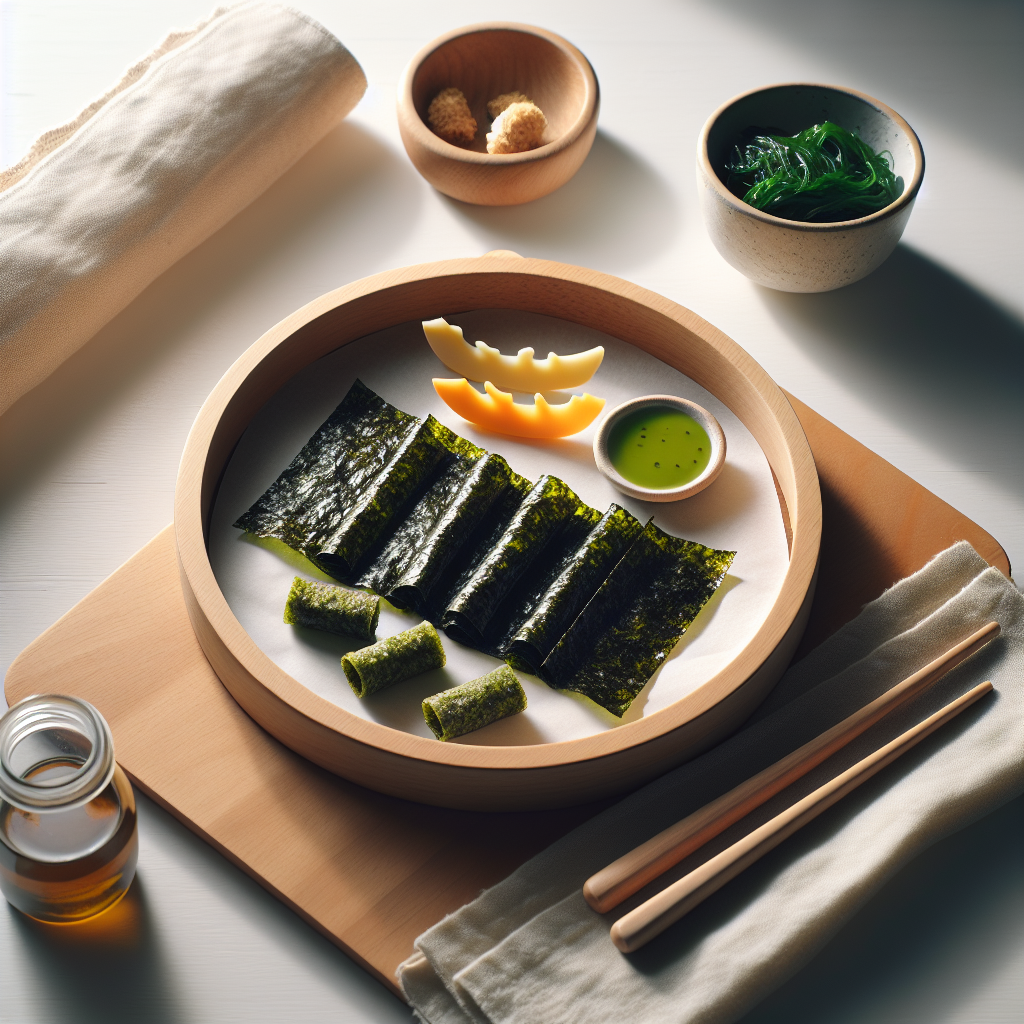
Nori seaweed can be introduced as soon as your baby is ready to start solids, which is typically around 6 months of age. Nori sheets are naturally thin and dissolve when moistened, making them easier for young babies to manage than many other foods. Always ensure nori is served appropriately prepared to match your baby's developmental stage.
Nori is rich in iodine, which supports thyroid function, as well as B vitamins including folate and B12. It also provides small amounts of fibre, vitamin C, and trace minerals like selenium and manganese. Though nori is nutritious, the small serving sizes typical for babies mean it contributes modest amounts of these nutrients to their overall diet.
Nori has a low choking risk because it becomes soft and dissolves quickly when it mixes with saliva in the mouth. The thin, pliable texture breaks down easily, even for babies who are just learning to chew.
Seaweed is not considered a common allergen and allergic reactions are rare. However, as with any new food, it's sensible to introduce nori on its own and watch for any signs of sensitivity during the first few servings.
Detailed prep guidance tailored to each stage.
Lightly steam a nori sheet until it becomes very soft and pliable, or brush it with a little water to help it break down more easily. Cut the softened nori into finger-length strips, about the size of two adult fingers placed together, so your baby can grasp one end and gnaw on the other. You can also wrap a softened nori strip around a piece of steamed sweet potato or avocado to add grip and flavour.
Continue to offer lightly steamed or moistened nori strips, which can now be cut into smaller pieces as your baby develops their pincer grasp. You can also tear or cut softened nori into bite-sized pieces and mix them into porridge, mashed rice, or scrambled egg. Nori remains easiest to manage when slightly softened rather than crispy and dry.
At this age, toddlers can handle lightly steamed or even dry nori strips, though moistened nori is still easier to chew and less likely to stick. You can offer small pieces of nori as a snack, crumble it over rice or noodles, or use it to wrap small portions of cooked vegetables or grains. Continue to choose plain, unseasoned nori and offer it in moderation due to its iodine content.