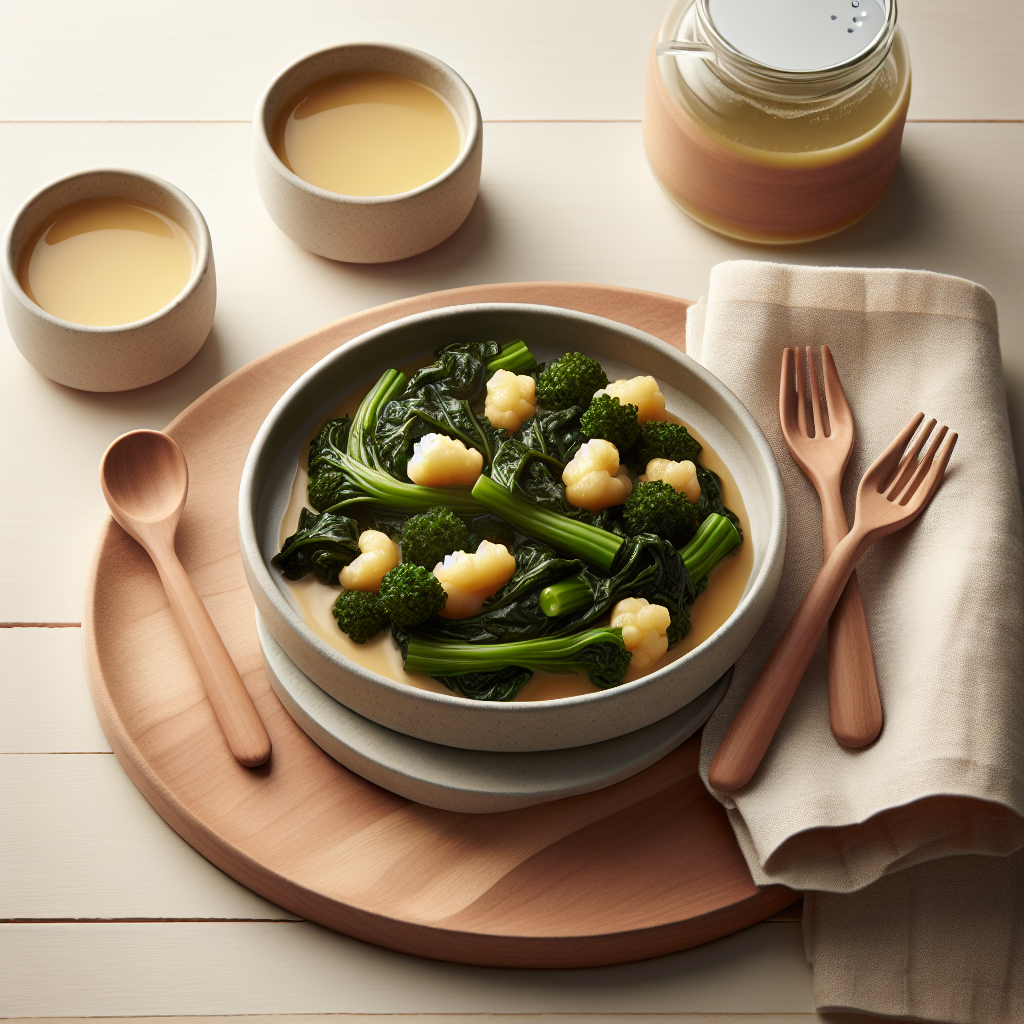
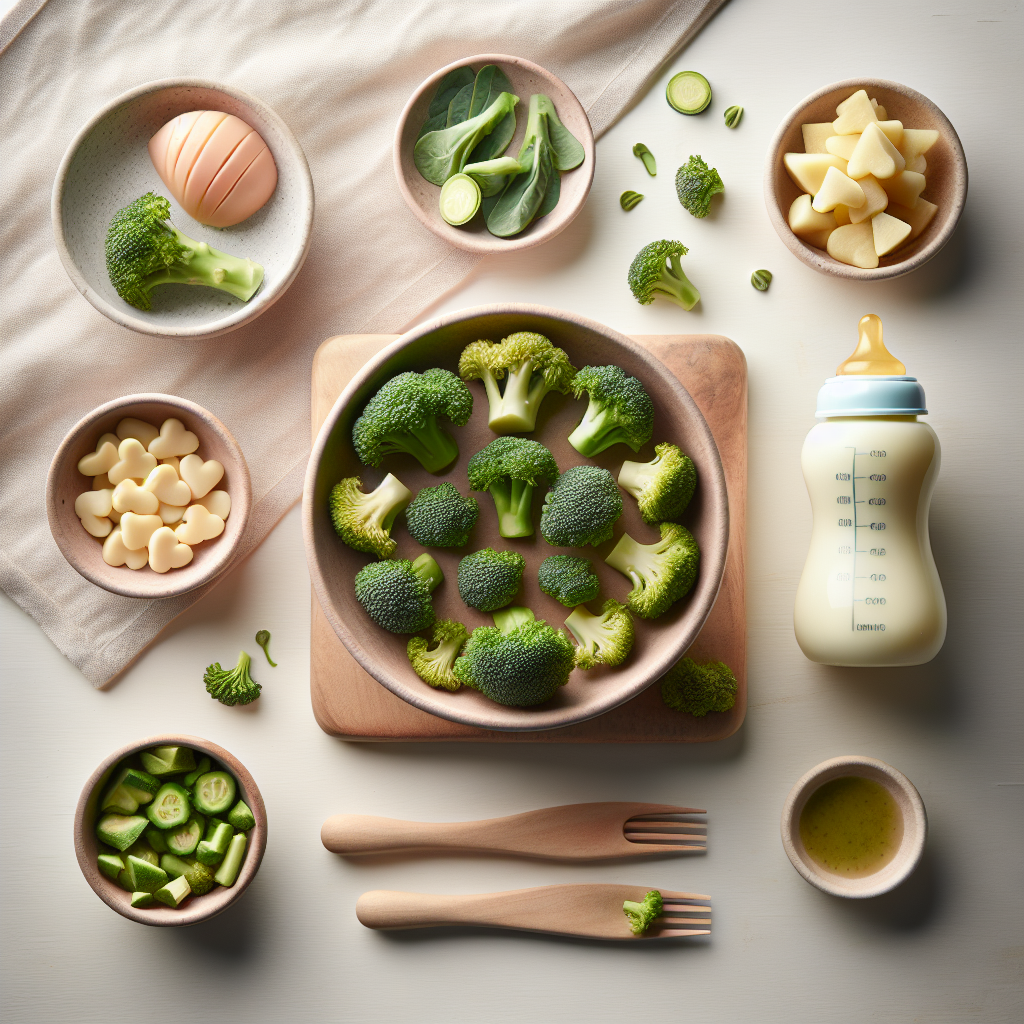
Cooked mustard greens may be introduced as soon as your baby is ready to start solids, which is generally around 6 months of age. When fully cooked until very soft, mustard greens are easy for babies to gum and swallow safely. As with all new foods, offer mustard greens on their own at first to watch for any reactions, though they are not a common allergen.
Is Mustard greens cooked healthy for babies?
Mustard greens are packed with vitamins A, C, and K, which support healthy vision, immune function, and blood clotting. They also provide folate, calcium, and fibre, which contribute to your baby's growth, bone health, and digestive wellness. The leafy green is rich in antioxidants that help protect cells from damage.
Lower-risk serving reminders
Cooked mustard greens present a low choking risk when prepared until very soft, as they break down easily in the mouth and are simple for babies to gum and manage. The tender, wilted texture of properly cooked greens makes them safe for even the youngest eaters.
Allergen introduction checklist
Mustard greens are not a common allergen and are generally well tolerated by babies. They are not considered one of the top allergens, so allergic reactions are rare.
General feeding checklist
Seat baby upright and stable for all meals.
Model slow chewing and allow baby to control pace.
Stop and reset if baby is upset, tired, or over-stuffed.
Readiness signs to check
Baby can sit upright with minimal support during meals.
Hands and mouth coordinate for bringing food to the mouth.
Tongue-thrust reflex is reduced, so food is not immediately pushed out.
Interest in self-feeding and opening mouth for food cues is visible.
Pause and seek advice if
Coughing is persistent or distress does not settle quickly during meals.
You notice repeated vomiting, rash, swelling, wheeze, or breathing changes after a food.
Baby struggles with swallowing progression over multiple meals despite texture adjustments.
There is a known medical condition affecting feeding, growth, or airway safety.
Steam or roast mustard greens until very soft and wilted, removing any thick stems or ribs. Serve the tender leaf portions as finger-length strips, large wedges, or whole leaves that your baby can grasp and suck or gum. You can also roll the cooked greens into a log shape for easier handling.
9–11 months
Continue to cook mustard greens until very soft, removing tough stems. Offer smaller pieces such as soft strips, coins, or roughly chopped florets that your baby can pick up with a developing pincer grasp. The pieces should still mash easily between your fingers to ensure they are safe for babies who are learning to chew.
12–24 months
Serve soft, cooked mustard greens in bite-sized pieces that match your toddler's growing chewing skills and coordination. You can offer them mixed into pasta, grains, or scrambled eggs, or served on their own as a side. Continue to ensure the greens are tender and any thick stems are removed.
Common questions about Mustard greens cooked
Do I need to remove the stems from mustard greens for my baby?
Yes, it is best to remove thick stems and ribs from mustard greens before serving to babies, as they can be fibrous and harder to chew. Offer only the soft, tender leaf portions.
Can mustard greens be too spicy or bitter for babies?
Mustard greens do have a slightly peppery, bitter taste that some babies may find strong at first. Mixing them with milder greens like spinach or adding a small amount of breast milk or unsalted butter can help mellow the flavour.
How can I make mustard greens easier for my baby to grip?
Serve mustard greens in large, finger-length strips or wedges with part of the softer stem left on as a handle. You can also roll a leaf around a soft grain or bean for easier gripping.