Lower-risk serving reminders
Broad beans have a low choking risk when properly prepared by cooking until very soft and removing the outer skin. Their soft, mashable texture when well-cooked makes them easy for babies to gum and swallow safely.
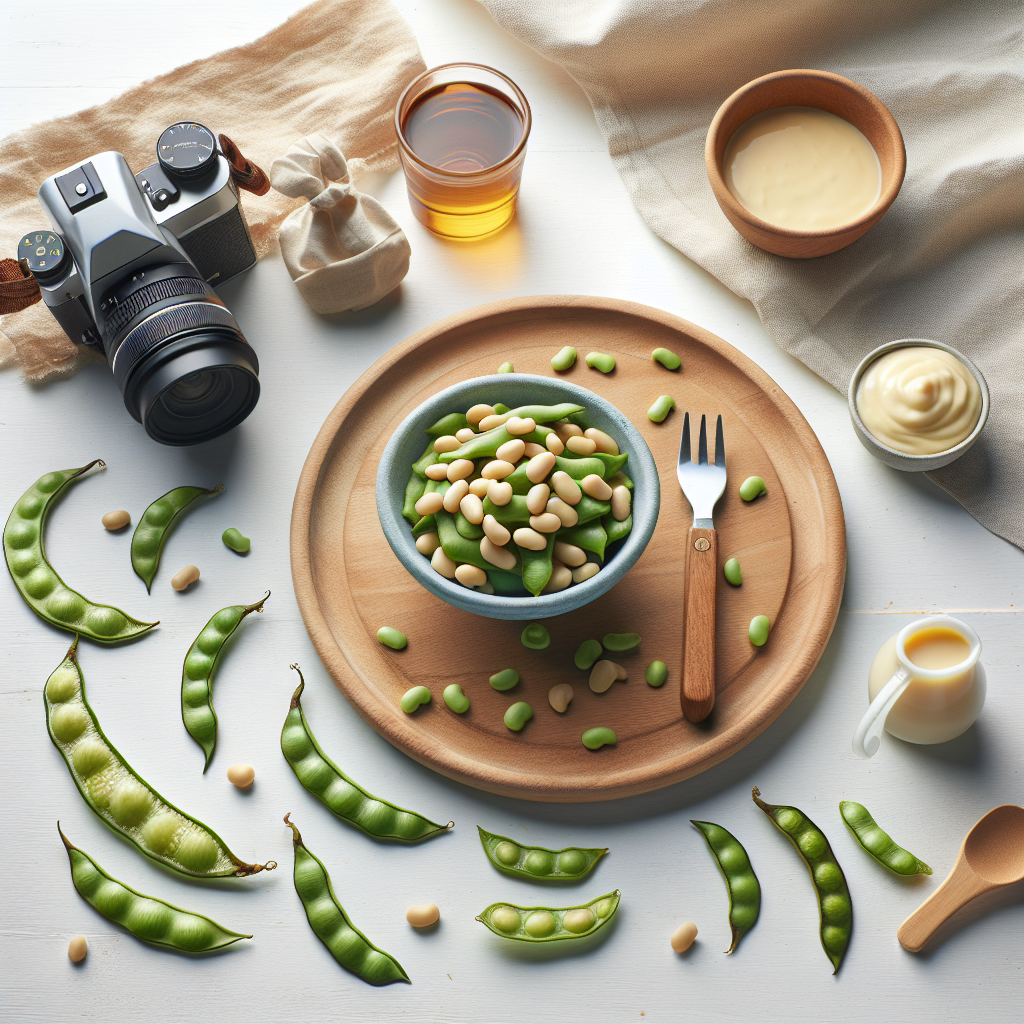
Broad beans can be introduced as soon as your baby is ready to start solid foods, which is typically around 6 months of age. When preparing broad beans for babies, it's important to cook them until very soft and to remove the tough outer skin from each bean, as the skin can be difficult for young babies to manage. Always ensure the beans are prepared in an age-appropriate size and texture to support safe eating.
Broad beans are an excellent source of plant-based protein, which supports growth and development in babies. They also provide fibre to support healthy digestion, as well as folate, which is important for cell growth and brain development. Additionally, broad beans contain B vitamins and minerals such as manganese and copper.
Broad beans have a low choking risk when properly prepared by cooking until very soft and removing the outer skin. Their soft, mashable texture when well-cooked makes them easy for babies to gum and swallow safely.
Broad beans are not considered a common allergen and are generally well-tolerated by babies. As with any new food, introduce broad beans on their own and watch for any signs of an adverse reaction, though allergies to broad beans are rare.
Detailed prep guidance tailored to each stage.
Steam or boil broad beans until very soft, then remove the outer skin from each bean. For younger babies, you can flatten the skinned beans slightly with a fork to create finger-length strips or patties that are easier to grasp, or serve several beans mashed together into a small log shape. Alternatively, load soft broad beans onto a pre-loaded spoon or mix them into mashed potato or porridge to help baby practise scooping.
Continue to cook broad beans until very soft and remove the skins. At this age, you can offer individual skinned beans for emerging pincer grasp practice, or continue serving them in small clusters or slightly flattened patties. You can also mix cooked broad beans into pasta, grains, or other finger foods to add nutrition and variety.
Cook broad beans until soft and remove the skins, adjusting the size based on your toddler's chewing ability. Most toddlers can manage individual beans or small portions mixed into family meals like risotto, pasta dishes, or grain bowls. Continue to ensure the beans are well-cooked and mashable, as firmer beans may pose a challenge for developing molars.