Lower-risk serving reminders
Well-cooked soft pasta penne poses a low choking risk because it becomes tender and easy for babies to mash with their gums. The tubular shape also breaks down easily in the mouth when cooked properly.
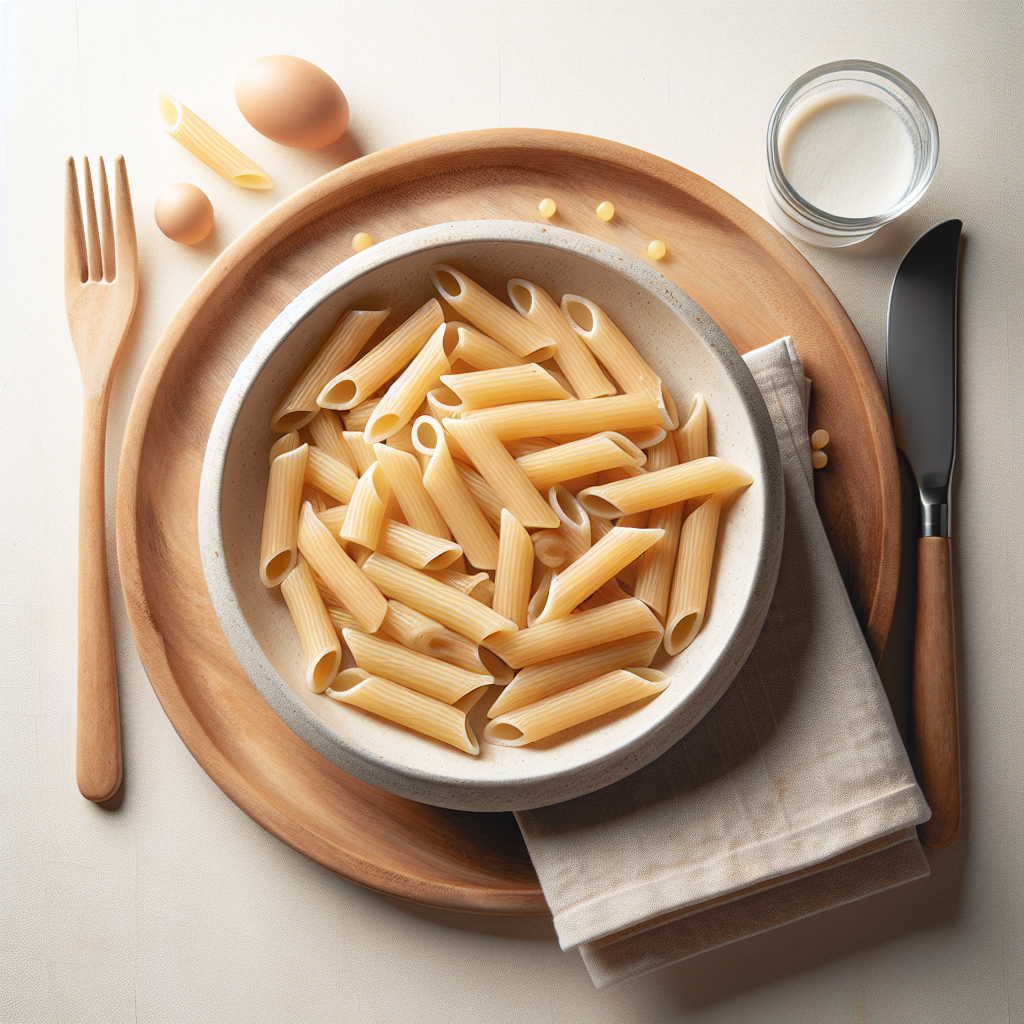
Pasta penne can be introduced as soon as your baby is ready to start solid foods, which is typically around 6 months of age. Ensure the penne is cooked until very soft and easy to mash between your fingers. As pasta contains wheat, it's important to introduce it as one of the common allergens early and watch for any reactions.
Pasta penne is a good source of carbohydrates, providing energy for active babies and toddlers. It also contains some protein and B vitamins, particularly if made from enriched flour. Pairing pasta with iron-rich foods, healthy fats, or vegetables can help create a more balanced meal for your baby.
Well-cooked soft pasta penne poses a low choking risk because it becomes tender and easy for babies to mash with their gums. The tubular shape also breaks down easily in the mouth when cooked properly.
Pasta penne contains wheat, which is a common allergen and should be introduced early and often. Watch for signs of an allergic reaction such as hives, vomiting, or difficulty breathing after introducing wheat for the first time.
Detailed prep guidance tailored to each stage.
Cook penne until very soft and tender, erring on the side of overcooked rather than al dente. Serve whole pieces of penne, which are easy for babies to grasp in their palms, or mix with a small amount of breast milk, formula, or plain yogurt to help bind the pasta and add moisture. You can also toss the penne with a thin vegetable purée, mashed avocado, or a drizzle of olive oil to make it less slippery and more nutritious.
Continue to cook penne until soft, and serve it whole or halved lengthways if your baby is developing a pincer grasp. Offer pasta mixed with sauces such as tomato and vegetable, lentil bolognese, or a smooth cheese sauce to encourage self-feeding. You can also offer a pre-loaded spoon with penne and sauce for your baby to practice bringing to their mouth independently.
Cook penne until soft but you can aim for a slightly firmer texture as your toddler's chewing skills improve. Serve as part of family meals with a variety of sauces, mixed with chopped vegetables, beans, or shredded meat for added nutrition. At this age, toddlers can practice using utensils to scoop and spear penne, building independence at mealtimes.