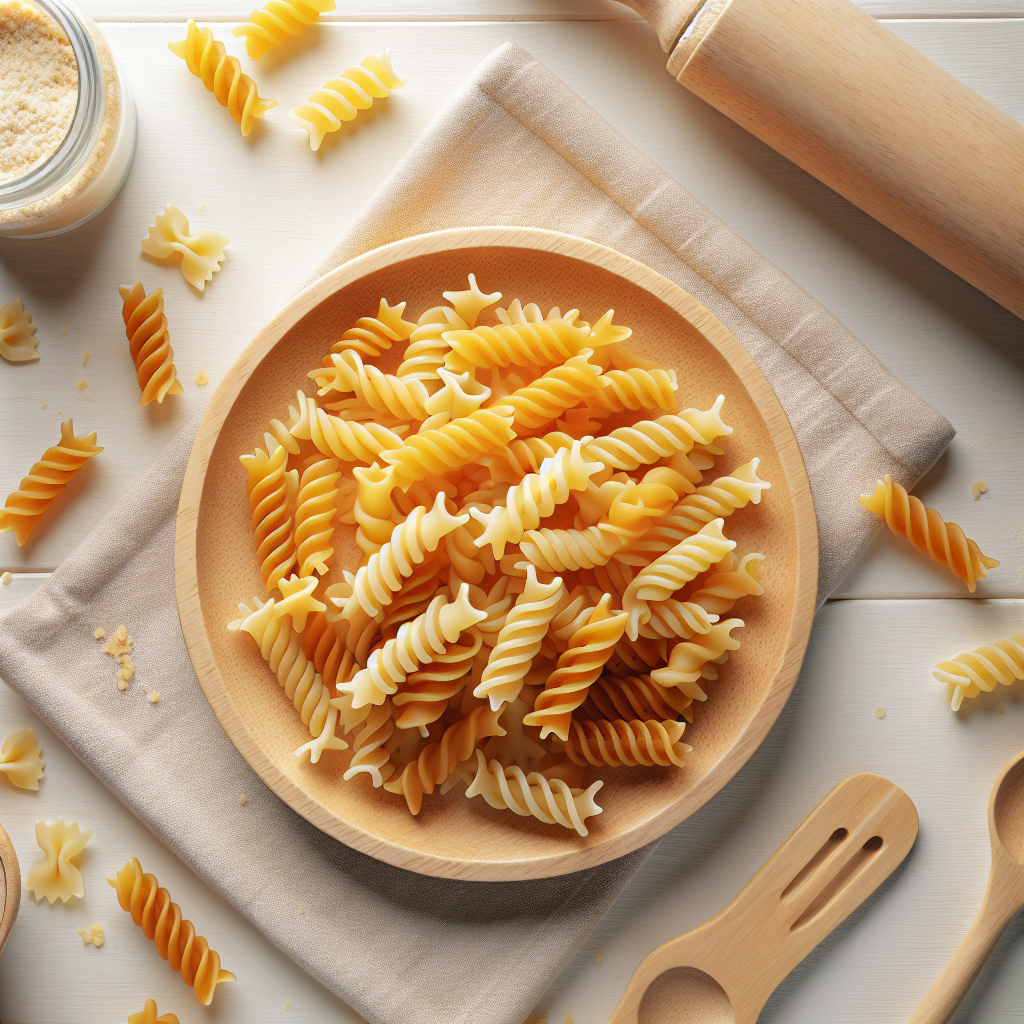
Soft pasta fusilli can be introduced as soon as your baby is ready to start solid foods, which is typically around 6 months of age. As pasta contains wheat, it's important to introduce it early and often as part of a varied diet, alongside other common allergens. Always ensure the fusilli is cooked until very soft and easy to squash between your fingers before offering it to your baby.
Is Pasta fusilli soft healthy for babies?
Soft pasta fusilli provides carbohydrates for energy and is a source of protein, which supports your baby's growth and development. Many pasta varieties are fortified with B vitamins, including folate, which supports healthy cell development. Pasta also offers a neutral base for adding nutrient-dense foods like vegetables, pulses, or proteins to boost the nutritional value of your baby's meal.
Lower-risk serving reminders
Soft pasta fusilli has a low choking risk when cooked until tender, as its spiral shape and soft texture break apart easily in the mouth. The corkscrew design also makes it easier for babies to grasp and handle compared to slippery straight pasta shapes.
Allergen information
Pasta fusilli contains wheat, which is a common allergen and includes gluten. When introducing wheat for the first time, offer a small amount and watch for signs of an allergic reaction such as hives, vomiting, or difficulty breathing, and consult your GP if you have concerns.
Wheat / gluten
General feeding checklist
Seat baby upright and stable for all meals.
Model slow chewing and allow baby to control pace.
Stop and reset if baby is upset, tired, or over-stuffed.
Readiness signs to check
Baby can sit upright with minimal support during meals.
Hands and mouth coordinate for bringing food to the mouth.
Tongue-thrust reflex is reduced, so food is not immediately pushed out.
Interest in self-feeding and opening mouth for food cues is visible.
Pause and seek advice if
Coughing is persistent or distress does not settle quickly during meals.
You notice repeated vomiting, rash, swelling, wheeze, or breathing changes after a food.
Baby struggles with swallowing progression over multiple meals despite texture adjustments.
There is a known medical condition affecting feeding, growth, or airway safety.
Cook fusilli until very soft, following packet instructions and testing that it squashes easily between your fingers. For young babies just starting solids, you can toss the cooked fusilli with a small amount of breast milk, formula, or plain full-fat yoghurt to help the pieces clump together slightly, making them easier to pick up. Offer the fusilli on its own or mixed with soft cooked vegetables like mashed butternut squash or pureed tomato sauce, allowing your baby to explore the texture and self-feed.
9–11 months
Continue cooking fusilli until soft and serve it as loose grains or mixed into soft patties or fritters that your baby can hold. At this age, babies are developing their pincer grasp, so loose fusilli pieces give excellent practice for picking up smaller foods. You can mix fusilli with finely chopped vegetables, mashed beans, or shredded meat to create balanced meals, or offer it alongside other finger foods for variety.
12–24 months
Soft fusilli can now be served as part of family meals, cooked until tender but not mushy. Toddlers at this stage can manage loose pasta mixed with sauces, vegetables, and proteins, and can practice using a fork to spear the spiral shapes. You can also create pasta bakes or casseroles where fusilli is combined with cheese, vegetables, and protein, offering a complete meal that supports developing self-feeding skills.
Common questions about Pasta fusilli soft
Does pasta fusilli need to be a specific shape for baby-led weaning?
Fusilli's spiral shape works well for baby-led weaning as it's easy for small hands to grasp and less slippery than smooth pasta shapes. Any short, chunky pasta shape cooked until soft is suitable for babies.
Can I serve pasta fusilli plain to my baby?
Plain pasta fusilli is safe but offers limited nutrition on its own. Mixing it with a small amount of breast milk, formula, olive oil, or yoghurt helps it bind together and adds healthy fats, which support nutrient absorption and brain development.
How do I know if the fusilli is soft enough for my baby?
The fusilli should be soft enough to squash easily between your thumb and forefinger with minimal pressure. If it still feels firm or requires effort to break apart, cook it for a few more minutes until very tender.