Lower-risk serving reminders
Miracle berry presents a low choking risk when ripe and soft, as the flesh is easily mashed between the gums. The small seed inside should be removed before serving to babies and toddlers to reduce any risk.
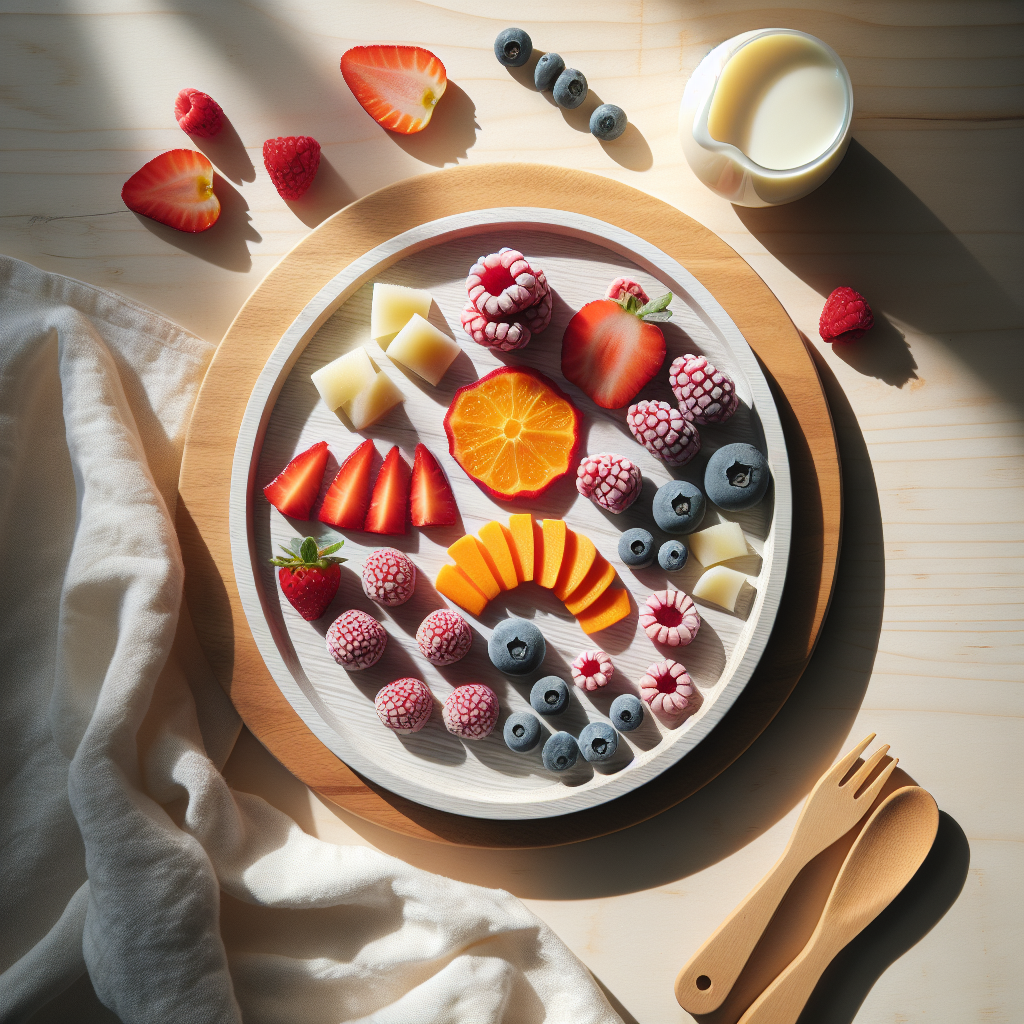
Miracle berry may be introduced as soon as your baby is ready to start solids, which is generally around 6 months of age. However, this fruit is quite unusual and rarely eaten as a staple food, so most families will not encounter it in everyday eating. If you do offer miracle berry, ensure it is very ripe and soft, and note that it temporarily alters taste perception, which may be confusing for young babies learning flavours.
Miracle berry is a source of vitamin C, which supports immune function and helps with iron absorption from plant foods. The fruit also contains small amounts of fibre, which aids healthy digestion. However, miracle berry is typically consumed in very small quantities due to its unusual taste-altering properties, so it is not a significant source of nutrition in the diet.
Miracle berry presents a low choking risk when ripe and soft, as the flesh is easily mashed between the gums. The small seed inside should be removed before serving to babies and toddlers to reduce any risk.
Miracle berry is not a common allergen and allergic reactions are extremely rare. As with any new food, watch for signs of a reaction when introducing it for the first time, though serious allergies to this fruit are not well documented.
Detailed prep guidance tailored to each stage.
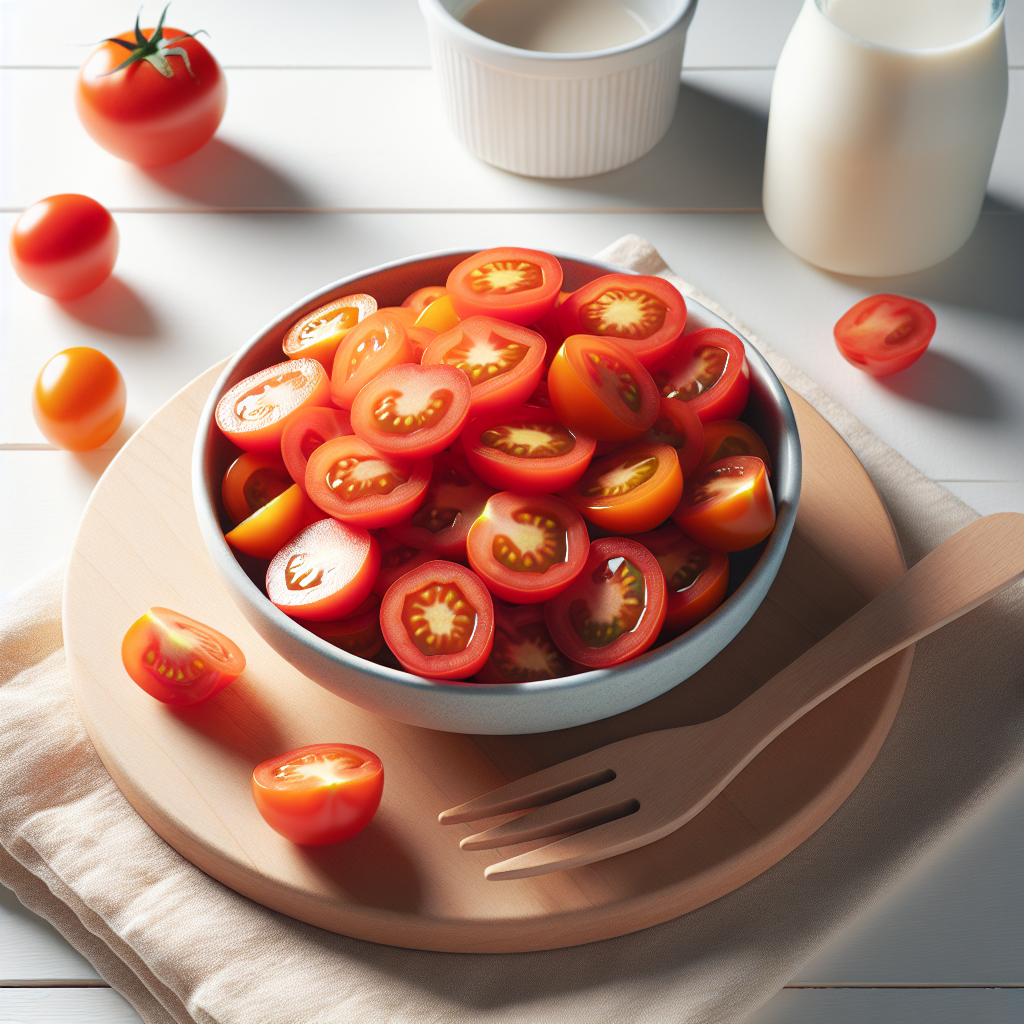
Offer very ripe, soft miracle berries with the seed removed. Cut the berry into a wide wedge or leave it as a large half that your baby can hold in their palm and gnaw on. If the skin is tough, peel it away before serving.
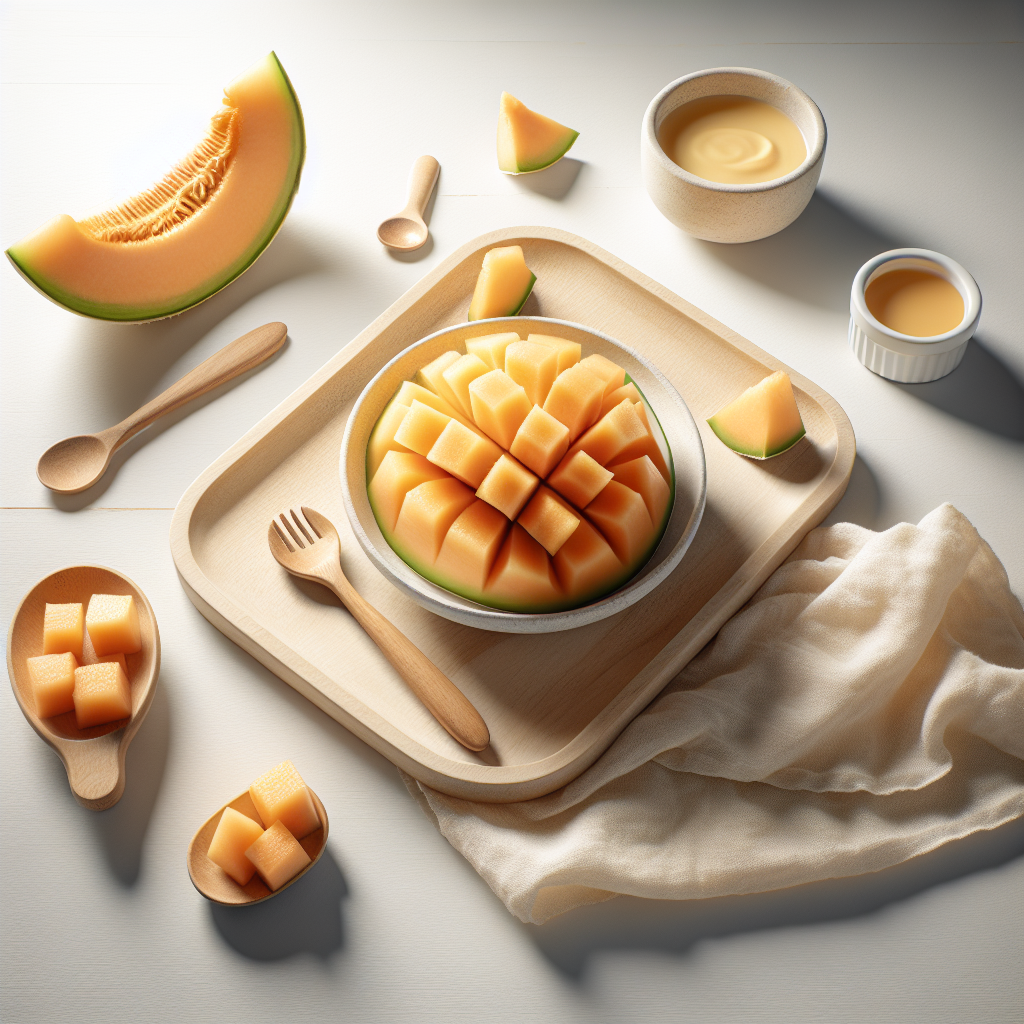
Serve ripe miracle berry cut into soft strips or small pieces with the seed removed. You can offer halves or quarters depending on the size of the fruit. Continue to ensure the berry is very soft and easy to mash between the gums.
Offer bite-sized pieces of ripe, soft miracle berry with the seed removed. At this age, toddlers can self-feed the soft flesh more easily, though you should still supervise and ensure the fruit is not too firm. Continue to avoid offering the seed.