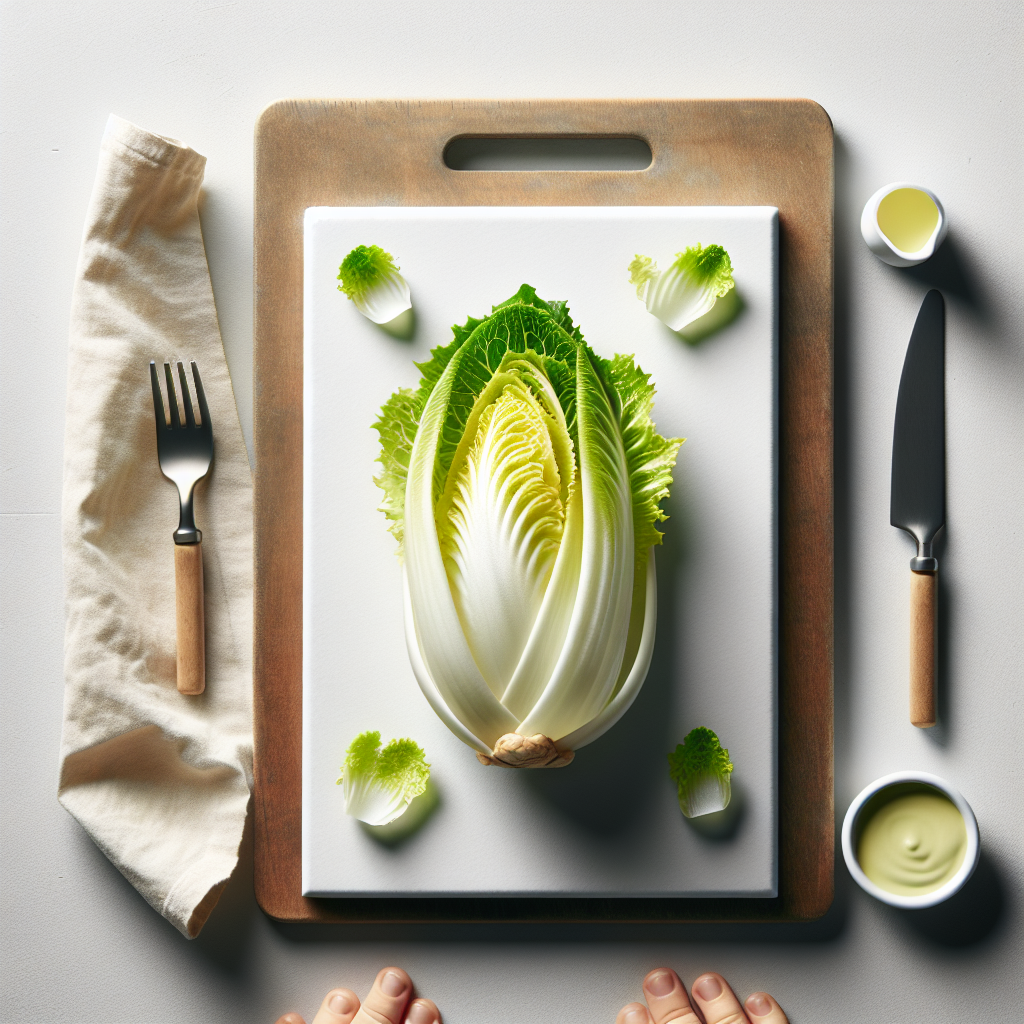
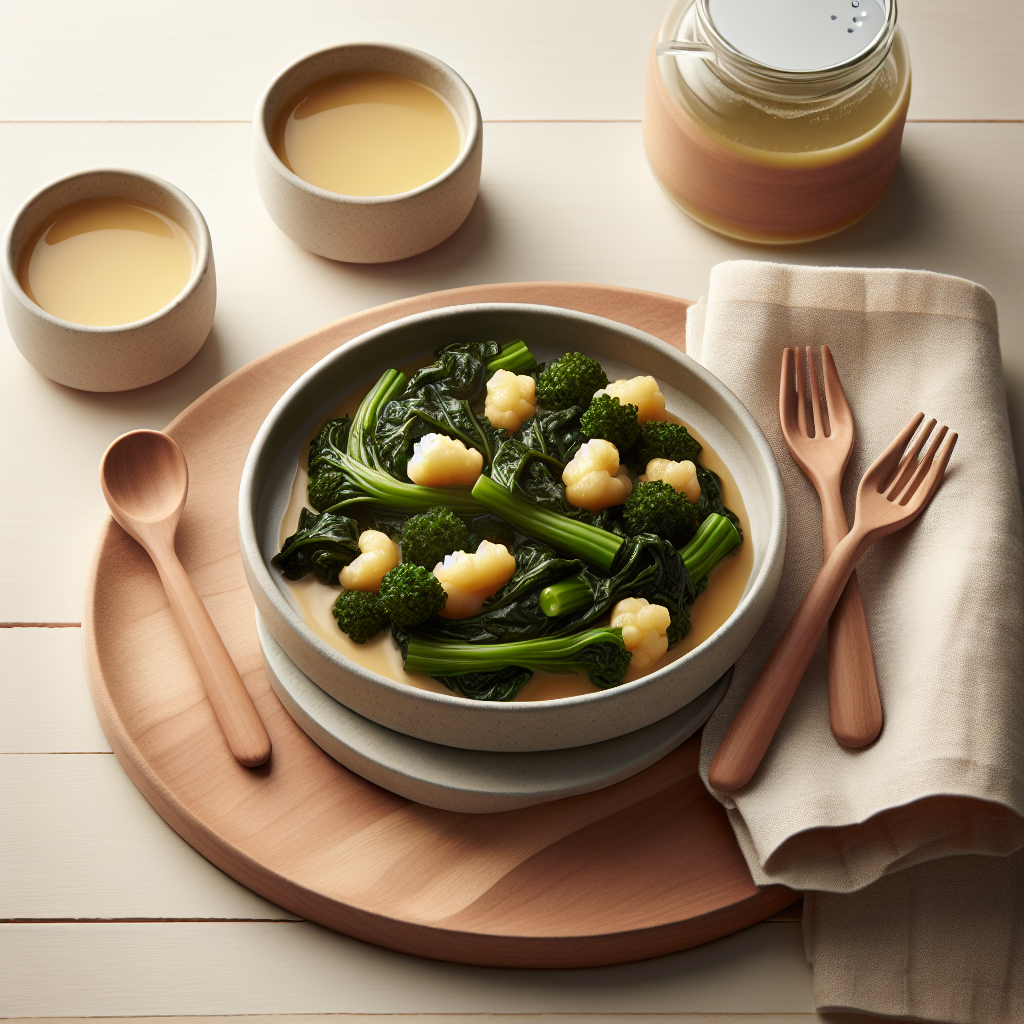
Leek may be introduced as soon as your baby is ready to start solid foods, which is generally around 6 months of age. When cooked until very soft, leek becomes tender and easy for babies to gum and swallow safely. Always ensure leeks are thoroughly cooked and prepared in an age-appropriate shape and size to support your baby's developing eating skills.
Is Leek healthy for babies?
Leeks provide beneficial amounts of vitamin K, which supports healthy blood clotting and bone development, as well as folate and vitamin C. They also contain prebiotic fibres that help nourish the beneficial bacteria in your baby's digestive system. Though mild in flavour, leeks offer a gentle way to introduce the onion family to your baby's diet.
Lower-risk serving reminders
Leek presents a low choking risk when cooked until very soft, as it becomes tender and easily breaks down when gummed or chewed. The vegetable's fibrous layers soften with proper cooking, making it manageable for babies to handle and swallow safely.
Allergen introduction checklist
Leek is not a common allergen and is generally well tolerated by babies. As with any new food, introduce leek on its own and watch for any signs of sensitivity or intolerance, though allergic reactions to leek are rare.
General feeding checklist
Seat baby upright and stable for all meals.
Model slow chewing and allow baby to control pace.
Stop and reset if baby is upset, tired, or over-stuffed.
Readiness signs to check
Baby can sit upright with minimal support during meals.
Hands and mouth coordinate for bringing food to the mouth.
Tongue-thrust reflex is reduced, so food is not immediately pushed out.
Interest in self-feeding and opening mouth for food cues is visible.
Pause and seek advice if
Coughing is persistent or distress does not settle quickly during meals.
You notice repeated vomiting, rash, swelling, wheeze, or breathing changes after a food.
Baby struggles with swallowing progression over multiple meals despite texture adjustments.
There is a known medical condition affecting feeding, growth, or airway safety.
Steam or roast leek until completely soft and tender enough to mash easily between your fingers. Cut the leek into finger-length strips about the size of two adult fingers placed together, keeping some of the layers together so baby has an easier piece to grasp. You can also offer large wedges of cooked leek that baby can hold and gum, ensuring the pieces are long enough to extend out of their fist for safe self-feeding.
9–11 months
Continue to cook leek until very soft, but you can now offer it in smaller, bite-sized pieces such as rings or half-moons that your baby can practise their pincer grasp with. The pieces should still mash easily between your fingers to ensure they remain safe and manageable. You can also offer soft strips that baby can bite pieces from as their chewing skills develop.
12–24 months
Offer soft cooked leek in pieces that match your toddler's developing chewing and biting abilities, such as small coins, strips, or mixed into family meals like soups, pasta dishes, or risottos. Continue to ensure the leek is cooked until tender, though it does not need to be quite as soft as for younger babies. You can also involve your toddler in simple meal preparation, such as helping to rinse cleaned leek pieces.
Common questions about Leek
Do I need to remove the green part of the leek for babies?
You can offer both the white and green parts of the leek to babies, though the white and pale green sections tend to cook more tender. Ensure all parts are cooked until very soft and easy to mash between your fingers before serving.
Can babies eat leeks raw?
Raw leeks are too tough and fibrous for babies to manage safely. Always cook leeks thoroughly until they are very soft before offering them to your baby.
How do I clean leeks properly before cooking for baby?
Slice the leek lengthways and rinse thoroughly under running water, separating the layers to remove any soil or grit trapped between them. Proper cleaning is important as dirt often lodges deep within the layers of leeks.