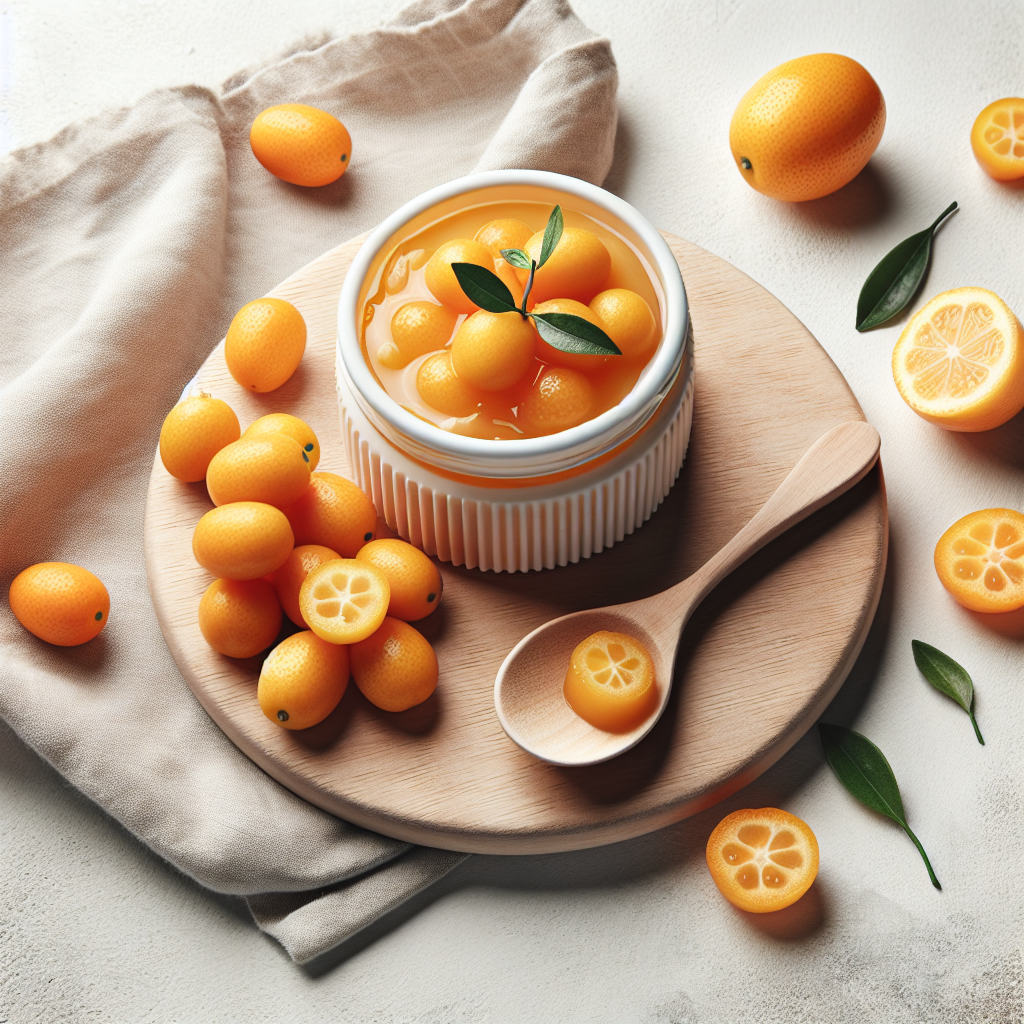
Kumquat may be introduced as soon as your baby is ready to start solid foods, which is generally around 6 months of age. Because kumquats are tart and their skins can be quite firm, it's important to select very ripe, soft fruit and to remove the peel if it feels tough or leathery. As with all citrus fruits, kumquats can be acidic and may cause a harmless rash around the mouth or in the nappy area in some babies.
Is Kumquat healthy for babies?
Kumquats are an excellent source of vitamin C, which supports immune function and helps the body absorb iron from plant-based foods. They also provide fibre to support healthy digestion and contain small amounts of vitamin A, which is important for vision and skin health. The edible peel contains beneficial plant compounds and adds extra fibre when your baby is ready to manage the texture.
Lower-risk serving reminders
Kumquat presents a low choking risk when prepared appropriately because the fruit is small and can be served in large, manageable pieces that are easy for babies to grasp and chew. The key is ensuring the fruit is very ripe and soft, and that round shapes are quartered lengthwise to reduce the risk of the fruit slipping whole into the throat.
Allergen introduction checklist
Kumquat is not a common allergen and is not considered part of the major allergen groups. However, citrus fruits can occasionally cause oral allergy syndrome in individuals with pollen allergies, though this is rare in babies and young children.
General feeding checklist
Seat baby upright and stable for all meals.
Model slow chewing and allow baby to control pace.
Stop and reset if baby is upset, tired, or over-stuffed.
Readiness signs to check
Baby can sit upright with minimal support during meals.
Hands and mouth coordinate for bringing food to the mouth.
Tongue-thrust reflex is reduced, so food is not immediately pushed out.
Interest in self-feeding and opening mouth for food cues is visible.
Pause and seek advice if
Coughing is persistent or distress does not settle quickly during meals.
You notice repeated vomiting, rash, swelling, wheeze, or breathing changes after a food.
Baby struggles with swallowing progression over multiple meals despite texture adjustments.
There is a known medical condition affecting feeding, growth, or airway safety.
Choose very ripe, soft kumquats and remove the peel if it feels tough or thick. Cut the fruit in half lengthwise and remove all seeds, then serve as large wedges or wide strips that your baby can hold in their palm with a bit sticking out to gnaw on. You can also mash or crush the flesh slightly to make it even softer and easier to manage.
9–11 months
Select ripe, soft kumquats and quarter them lengthwise if they are round in shape, removing all seeds before serving. You can leave the peel on if it is very soft, or continue removing it if your baby finds the texture challenging. Serve the pieces as finger foods that your baby can pick up with their developing pincer grasp.
12–24 months
Offer ripe kumquat in bite-sized pieces, continuing to quarter or halve round fruits lengthwise for safety. Remove seeds before serving and assess whether your toddler can manage the peel, which adds fibre and nutrients. At this age, many toddlers can bite through soft kumquat skin, but continue monitoring as they eat.
Common questions about Kumquat
Do I need to remove the seeds from kumquat for my baby?
Yes, it's safest to remove any seeds from kumquat before serving to your baby, as they can present a choking hazard and may be difficult for young children to manage.
Can I serve kumquat with the skin on?
You can serve kumquat with the skin on if the fruit is very ripe and the peel is soft and thin. If the skin feels tough or leathery, it's best to remove it for babies under 12 months as it can be difficult to chew and manage.
Why does my baby get a rash after eating kumquat?
The acidity in kumquat can cause a harmless contact rash around the mouth or in the nappy area in some babies. This is not an allergic reaction and typically resolves on its own, though you may wish to apply a barrier cream to protect the skin.