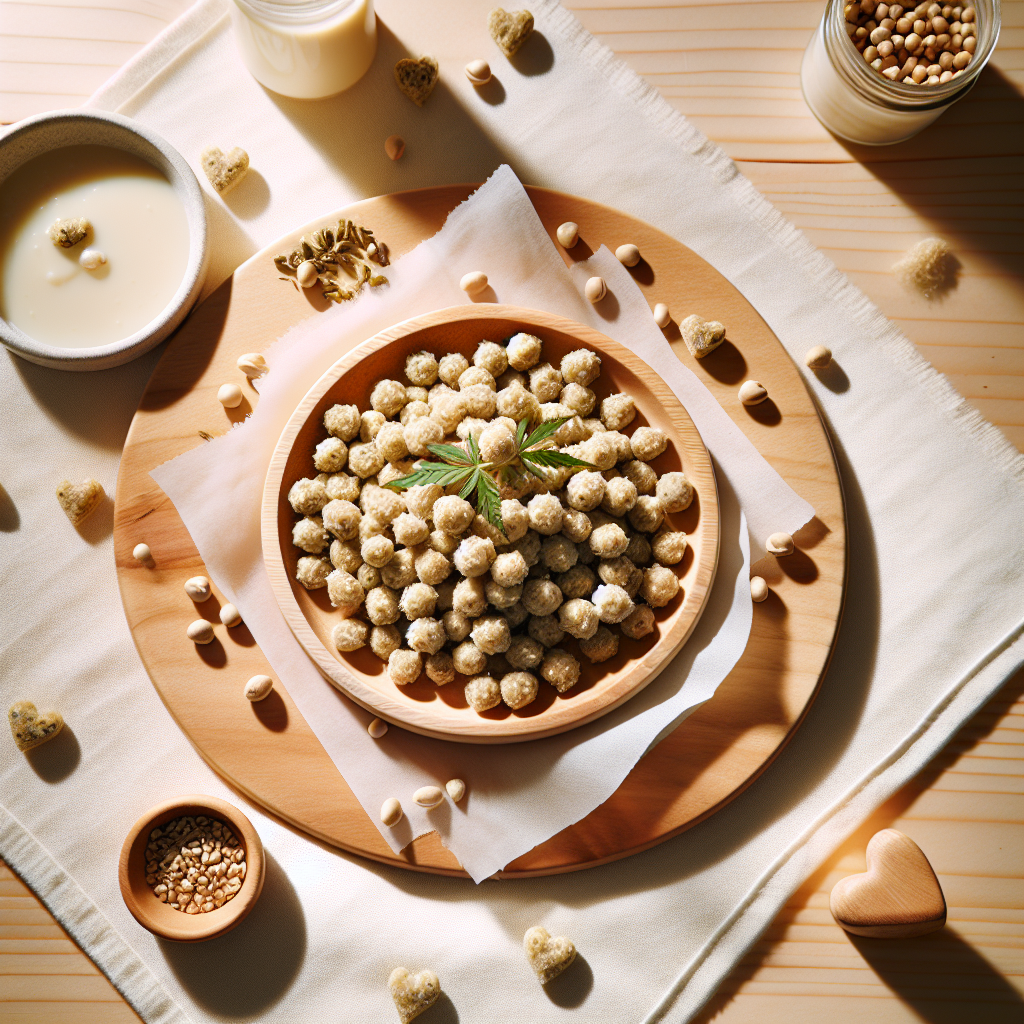
Hemp hearts can be introduced as soon as your baby is ready to start solids, which is typically around 6 months of age. Their soft, tender texture and small size make them ideal for sprinkling over other foods to boost nutrition without adding choking risk. Always ensure hemp hearts are served as a topping mixed into or sprinkled onto wet foods, rather than offered dry on their own.
Is Hemp heart sprinkle healthy for babies?
Hemp hearts are an excellent source of plant-based iron, which supports healthy blood development and brain growth in babies. They also provide essential fatty acids including omega-3 and omega-6, which are important for brain and eye development. Hemp hearts offer a good amount of protein, zinc, and magnesium, making them a nutrient-dense addition to your baby's meals.
Lower-risk serving reminders
Hemp hearts have a low choking risk because they are small, soft, and easily dissolve when mixed with moist foods. Their tender texture means they break down quickly in the mouth without forming a firm mass that could obstruct the airway.
Allergen introduction checklist
Hemp hearts are not considered a common allergen and reactions are rare. Hemp is a seed from the Cannabis sativa plant, though it contains no THC, and whilst seed allergies do exist, hemp heart allergies are uncommon in the general population.
General feeding checklist
Seat baby upright and stable for all meals.
Model slow chewing and allow baby to control pace.
Stop and reset if baby is upset, tired, or over-stuffed.
Readiness signs to check
Baby can sit upright with minimal support during meals.
Hands and mouth coordinate for bringing food to the mouth.
Tongue-thrust reflex is reduced, so food is not immediately pushed out.
Interest in self-feeding and opening mouth for food cues is visible.
Pause and seek advice if
Coughing is persistent or distress does not settle quickly during meals.
You notice repeated vomiting, rash, swelling, wheeze, or breathing changes after a food.
Baby struggles with swallowing progression over multiple meals despite texture adjustments.
There is a known medical condition affecting feeding, growth, or airway safety.
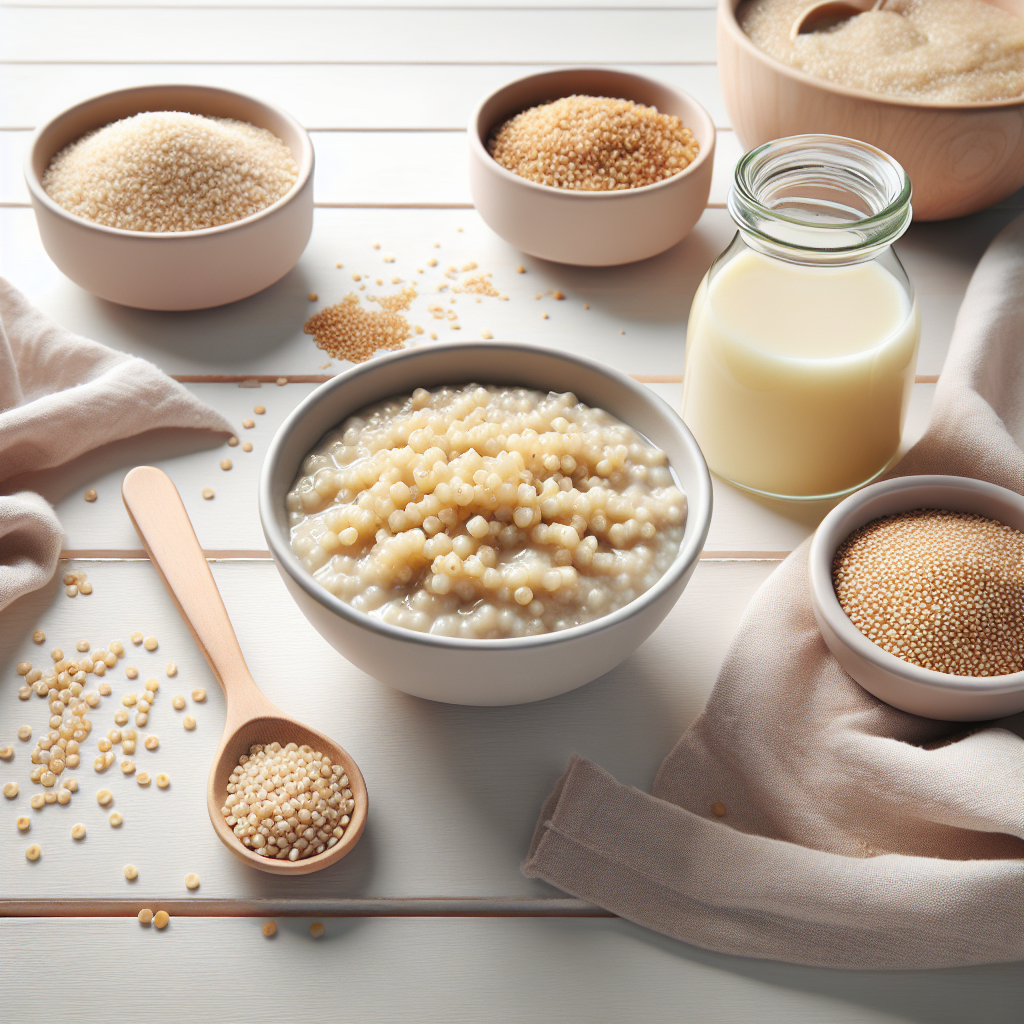
Sprinkle a small amount of hemp hearts onto soft, moist foods such as porridge, mashed banana, yoghurt, or puréed vegetables to help them stick and prevent loose grains from scattering. Aim for around half a teaspoon to one teaspoon mixed thoroughly into foods your baby is already eating. The hemp hearts will soften further when combined with wet ingredients, making them easy to swallow.
9–11 months
Continue sprinkling hemp hearts onto porridge, yoghurt, mashed avocado, or soft scrambled eggs to add nutrition and texture. You can also mix them into soft patties, fritters, or energy balls that your baby can pick up and self-feed. Offer around one to two teaspoons per serving, ensuring they remain incorporated into moist foods rather than served dry.
12–24 months
Sprinkle hemp hearts onto toast with nut butter, stir them into pasta dishes, or mix into pancake or muffin batter for added nutrition. Toddlers at this age can handle slightly larger amounts, around one to two teaspoons per meal, and may enjoy the mild, nutty flavour. Continue to serve hemp hearts mixed into or sprinkled onto foods rather than offering them dry by the handful to keep mealtimes safe and mess-free.
Common questions about Hemp heart sprinkle
Can babies have hemp hearts every day?
Yes, hemp hearts can be offered daily as part of a varied diet. A teaspoon or two sprinkled onto meals is a suitable serving size for babies and toddlers.
Do hemp hearts need to be cooked before giving them to babies?
No, hemp hearts do not need to be cooked as they are already hulled and soft. They can be sprinkled directly onto warm or cold foods.
Will hemp hearts show up in my baby's nappy?
Yes, you may see whole or partially digested hemp hearts in your baby's nappy, which is normal. As your baby's digestive system matures, their body will become more efficient at breaking down seeds.