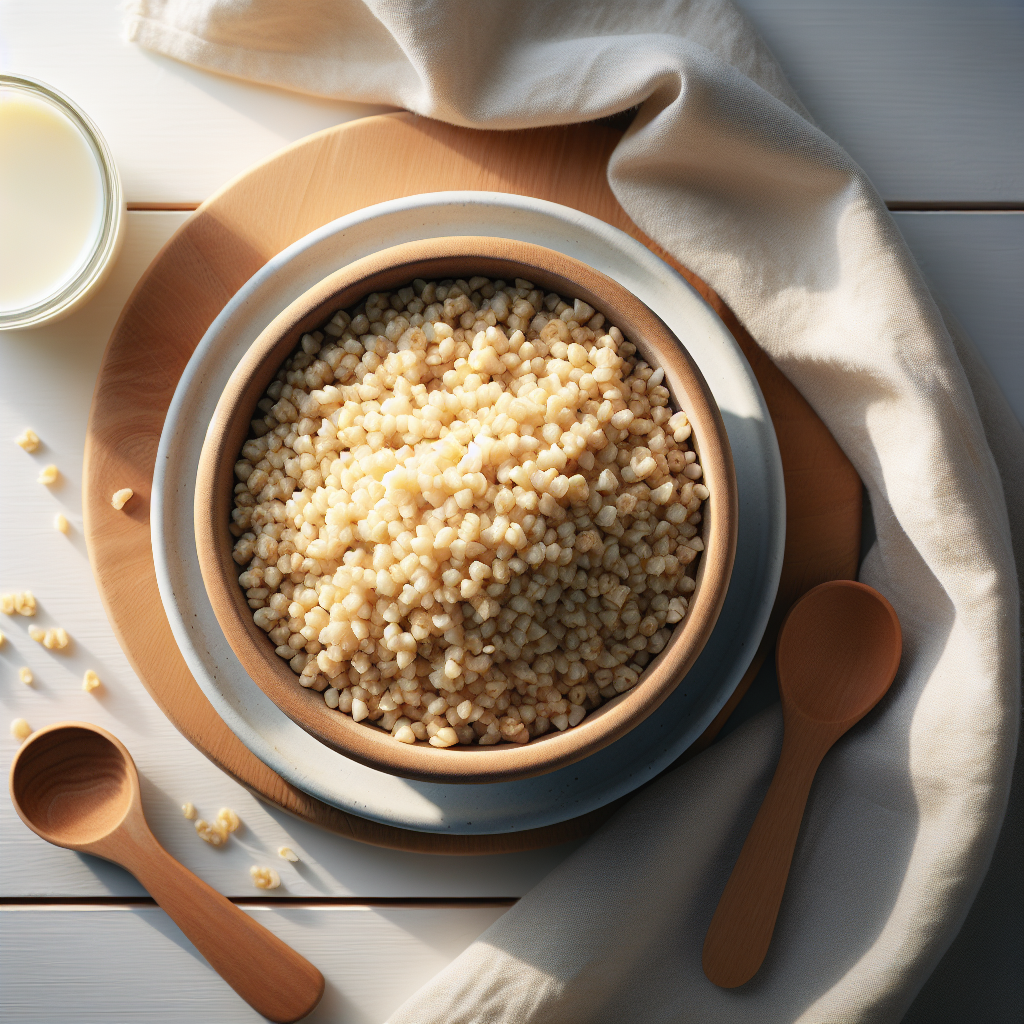
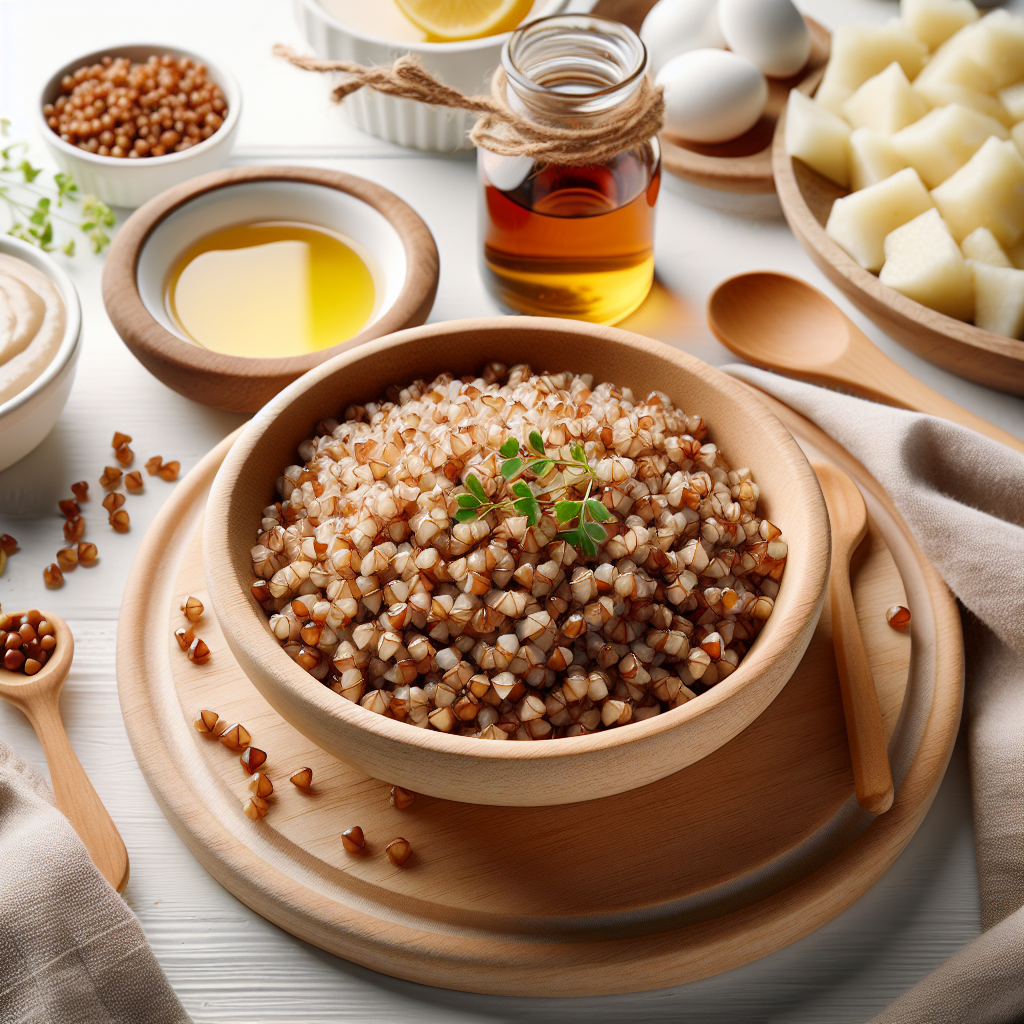
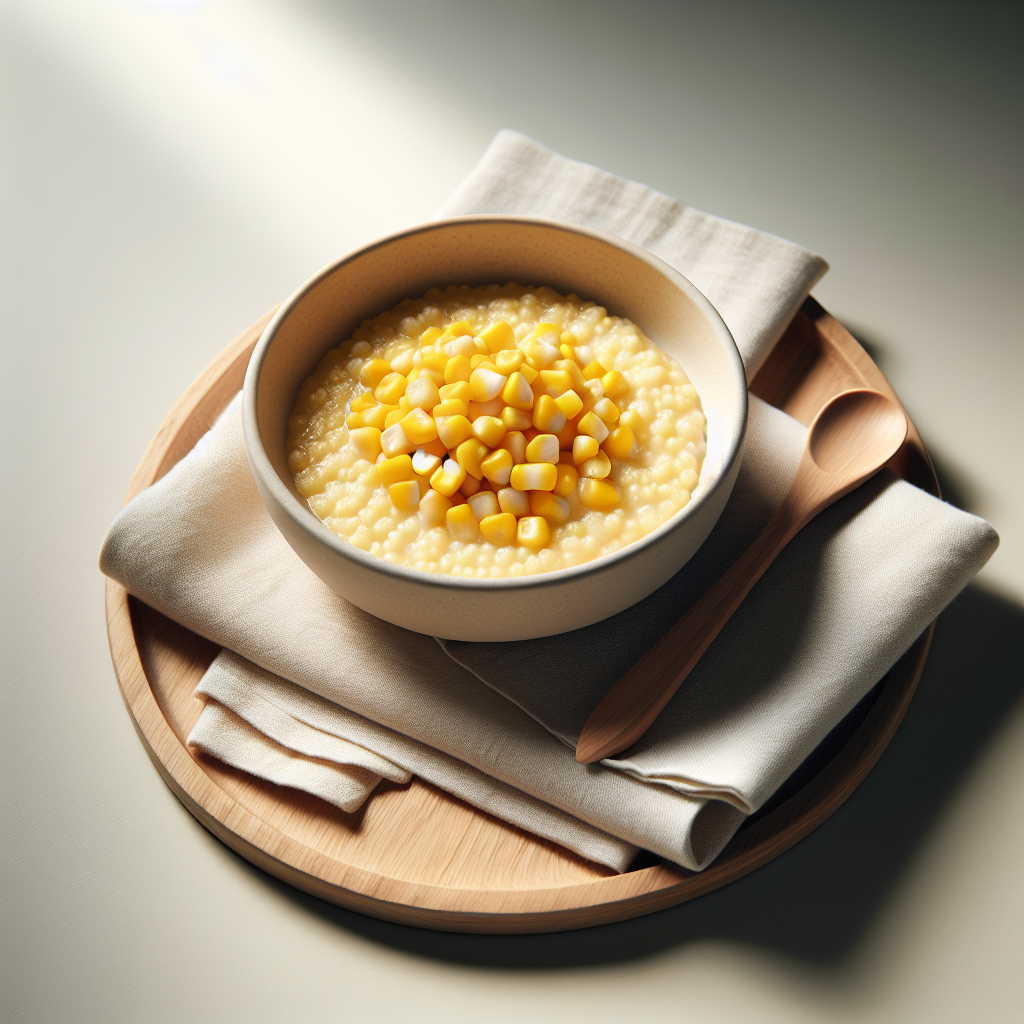
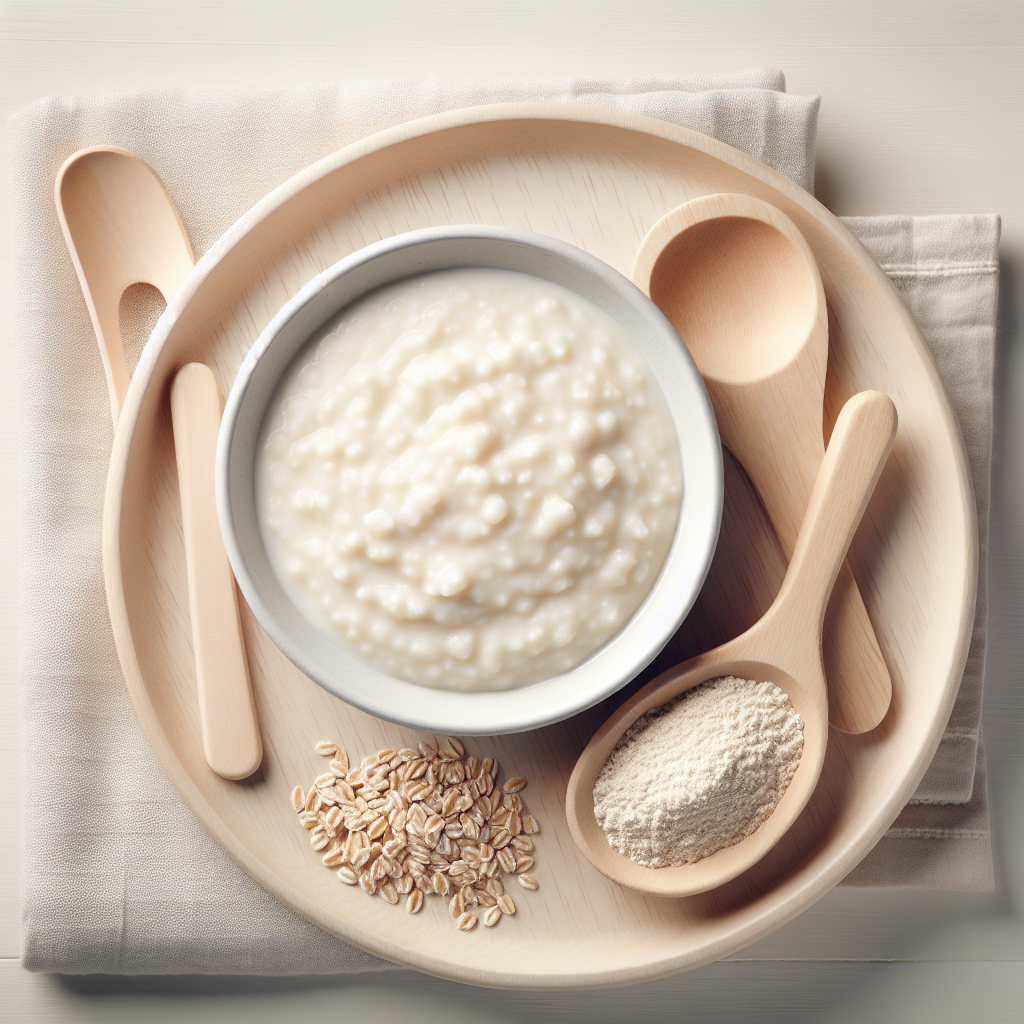
Freekeh can be introduced as soon as your baby is ready to start solid foods, which is generally around 6 months of age. As freekeh contains gluten, it's important to introduce it as part of a varied diet while watching for signs of an allergic reaction. Ensure the freekeh is cooked until completely soft before offering it to your baby.
Is Freekeh soft healthy for babies?
Freekeh is a whole grain that provides complex carbohydrates for sustained energy, along with fibre to support healthy digestion. It contains B vitamins, which help with energy metabolism and nervous system development. Freekeh also offers small amounts of minerals including magnesium and zinc, which support overall growth and immune function.
Lower-risk serving reminders
When cooked until soft, freekeh presents a low choking risk because the grains become tender and easy to mash between the gums. The small, soft grains can be easily managed by babies, especially when mixed with other foods to help them stick together.
Allergen information
Freekeh contains wheat and therefore gluten, which is a common allergen. When introducing freekeh for the first time, offer a small amount and watch for signs of an allergic reaction such as hives, vomiting, or difficulty breathing.
Wheat / gluten
General feeding checklist
Seat baby upright and stable for all meals.
Model slow chewing and allow baby to control pace.
Stop and reset if baby is upset, tired, or over-stuffed.
Readiness signs to check
Baby can sit upright with minimal support during meals.
Hands and mouth coordinate for bringing food to the mouth.
Tongue-thrust reflex is reduced, so food is not immediately pushed out.
Interest in self-feeding and opening mouth for food cues is visible.
Pause and seek advice if
Coughing is persistent or distress does not settle quickly during meals.
You notice repeated vomiting, rash, swelling, wheeze, or breathing changes after a food.
Baby struggles with swallowing progression over multiple meals despite texture adjustments.
There is a known medical condition affecting feeding, growth, or airway safety.
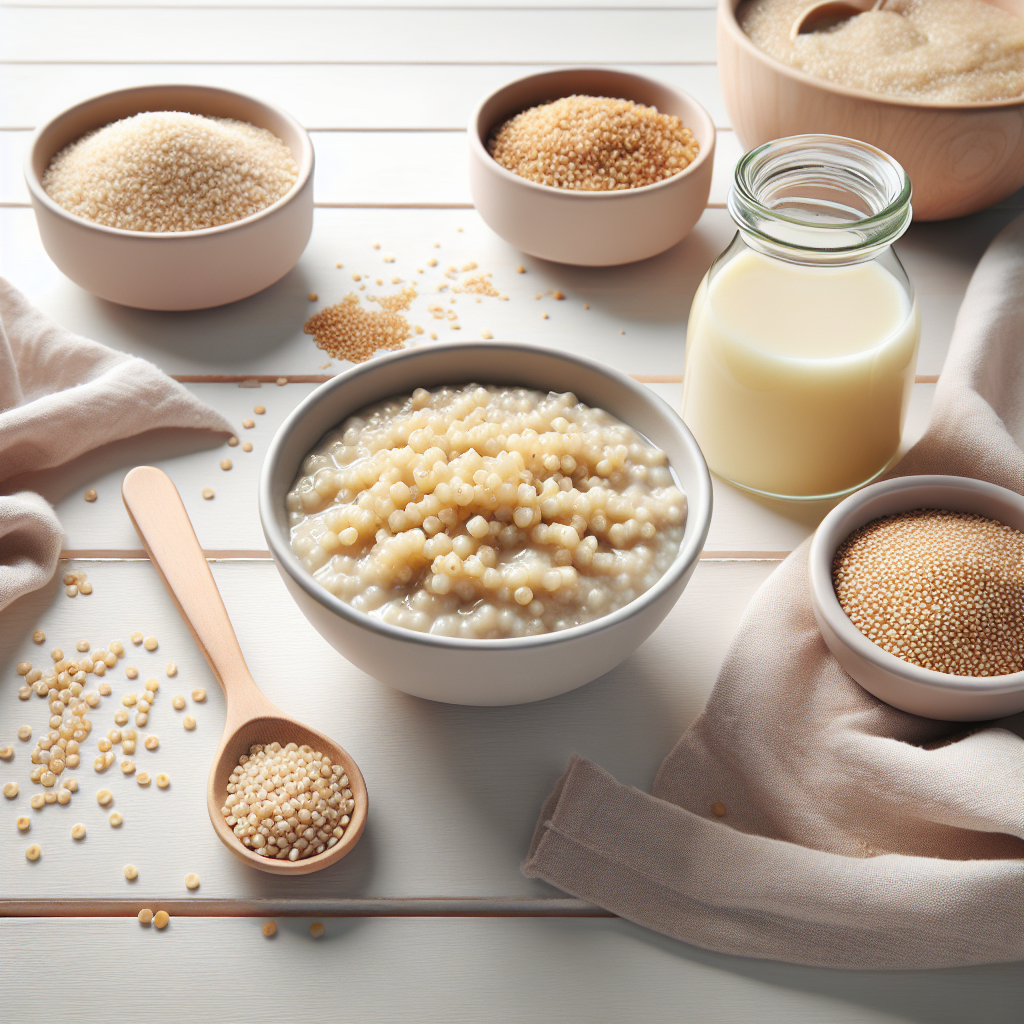
Cook freekeh until very soft and tender, ensuring the grains can be easily mashed between your fingers. Mix the cooked freekeh with breast milk, formula, or full-fat yogurt to create a porridge-like consistency that sticks together, making it easier for your baby to scoop with their hands. You can also serve it mixed with mashed vegetables or spread thinly on a preloaded spoon for your baby to bring to their mouth.
9–11 months
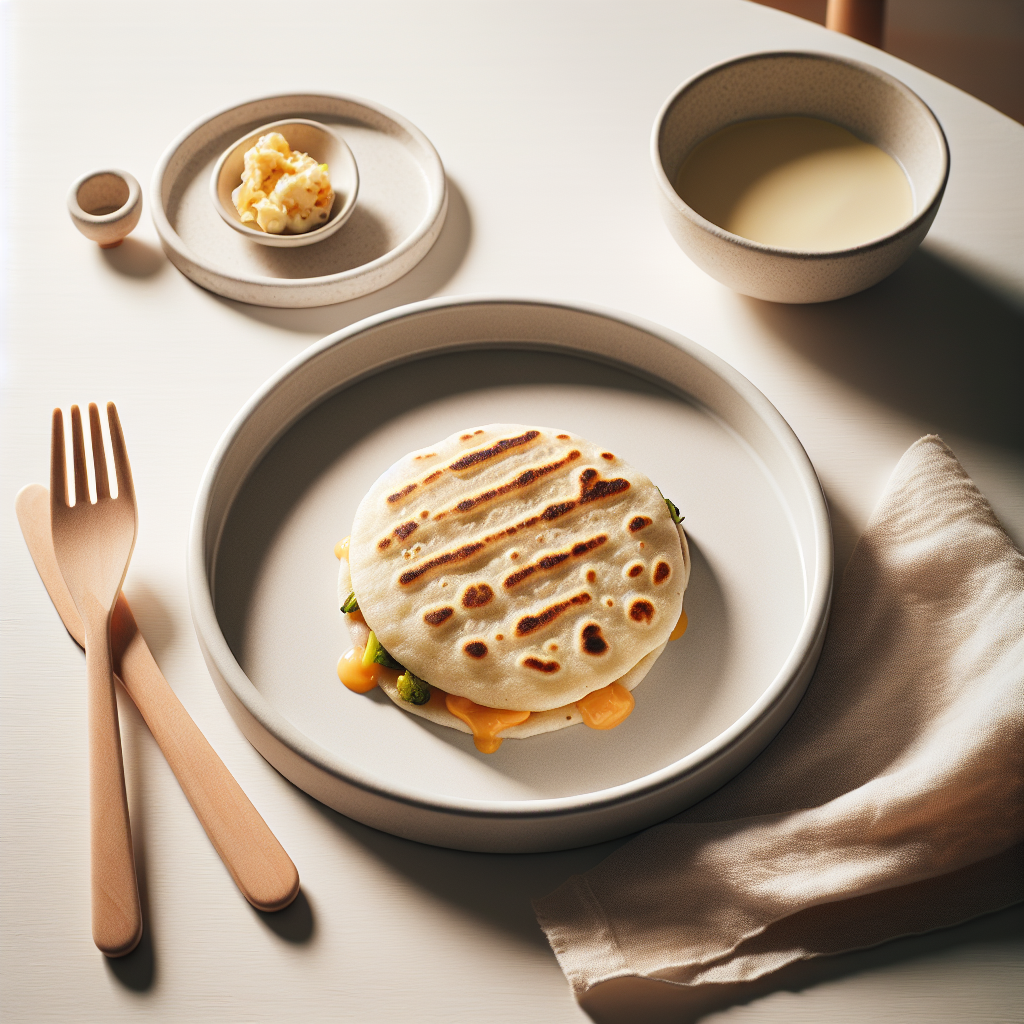
Continue to cook freekeh until soft, and serve it as loose grains mixed into other foods or formed into soft patties that your baby can pick up independently. Offer a preloaded spoon alongside the meal to encourage self-feeding practice with scooping. You can also mix cooked freekeh into vegetable or lentil patties to add texture and nutrition.
12–24 months
Serve soft-cooked freekeh as part of family meals, either as a side dish or mixed into stews, curries, and salads. At this age, your toddler can manage loose grains more easily with a spoon or fork, though finger foods like freekeh patties or fritters remain popular choices. You can also offer freekeh in soups or mixed with beans and roasted vegetables for a balanced meal.
Common questions about Freekeh soft
What is freekeh and is it suitable for babies?
Freekeh is young green wheat that has been roasted and cracked, offering a nutty flavour and chewy texture when cooked. It's suitable for babies from 6 months when cooked until completely soft.
How long should I cook freekeh for my baby?
Cook freekeh in plenty of water or stock for 20 to 25 minutes until the grains are very soft and tender enough to mash easily between your fingers.
Can I mix freekeh with other foods for my baby?
Yes, mixing cooked freekeh with breast milk, formula, yogurt, or mashed vegetables helps bind the grains together and makes them easier for young babies to self-feed.