Dewberries may be introduced as soon as your baby is ready to start solid foods, which is generally around 6 months of age. As with all berries, ensure the dewberries are fully ripe and very soft to reduce any risk and make them easier for your baby to manage. Always supervise your baby during mealtimes and ensure they are seated upright.
Is Dewberry healthy for babies?
Dewberries are rich in vitamin C, which supports immune function and helps with iron absorption from plant-based foods. They also contain beneficial antioxidants and dietary fibre, which aids digestion and supports gut health. Like other berries, dewberries provide a small amount of natural sugars for energy alongside their valuable micronutrients.
Lower-risk serving reminders
Dewberries present a low choking risk when served ripe and soft, as their small size and juicy texture break down easily in the mouth. Unlike firmer berries, ripe dewberries naturally squash with gentle pressure, making them safer for babies who are learning to eat.
Allergen introduction checklist
Dewberries are not considered a common allergen and pose a low risk of allergic reaction. As with any new food, introduce dewberries on their own initially and watch for signs of an allergic reaction, such as rash, hives, or digestive upset.
General feeding checklist
Seat baby upright and stable for all meals.
Model slow chewing and allow baby to control pace.
Stop and reset if baby is upset, tired, or over-stuffed.
Readiness signs to check
Baby can sit upright with minimal support during meals.
Hands and mouth coordinate for bringing food to the mouth.
Tongue-thrust reflex is reduced, so food is not immediately pushed out.
Interest in self-feeding and opening mouth for food cues is visible.
Pause and seek advice if
Coughing is persistent or distress does not settle quickly during meals.
You notice repeated vomiting, rash, swelling, wheeze, or breathing changes after a food.
Baby struggles with swallowing progression over multiple meals despite texture adjustments.
There is a known medical condition affecting feeding, growth, or airway safety.
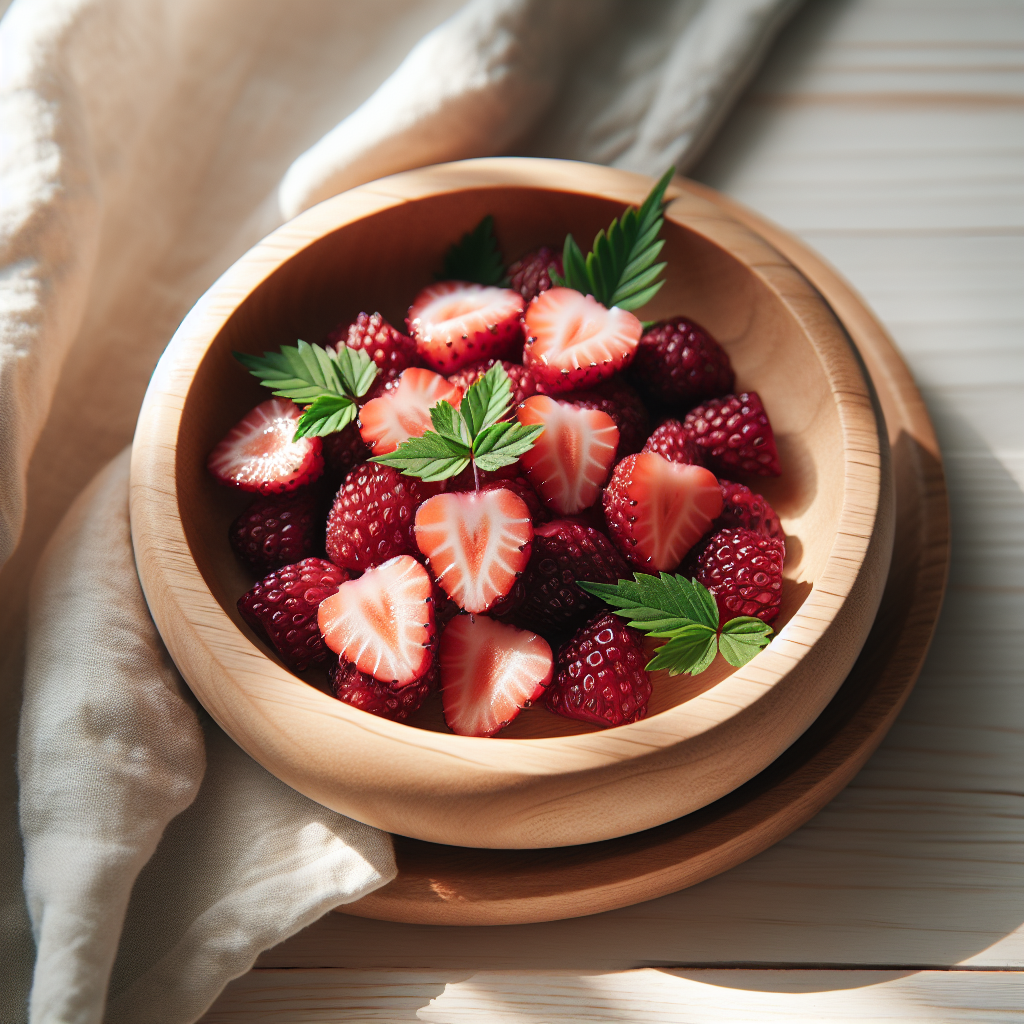
Serve ripe, very soft dewberries whole or gently pressed to release some juice, making them easier to grip. You can also offer them as wide wedges or in a cluster still attached to a small portion of the stem, which acts as a natural handle for babies to hold. If the skins seem tough, you may peel them, though this is rarely necessary with fully ripe dewberries.
9–11 months
Continue offering ripe, soft dewberries whole or cut into halves or quarters lengthwise to encourage developing pincer grasp. At this age, most babies can manage the berries with their fingers and will self-feed more confidently. You can also serve them in small clusters or flattened slightly to make them easier to pick up.
12–24 months
Offer ripe dewberries whole or halved lengthwise, depending on your toddler's chewing ability and comfort level. Continue to quarter or halve round fruits as a precaution until your child is reliably chewing well. Dewberries can be served on their own, mixed into porridge, or added to yoghurt for variety.
Common questions about Dewberry
Do I need to remove the skin from dewberries?
You do not need to remove the skin from dewberries unless it is particularly tough or leathery. Ripe dewberries typically have soft, edible skins that babies can manage safely.
Can my baby eat dewberry seeds?
Yes, the tiny seeds in dewberries are safe for babies to eat and do not pose a choking risk. They are small and soft enough to be safely swallowed or broken down during chewing.
How do I know if a dewberry is ripe enough for my baby?
A ripe dewberry should be dark in colour, soft to the touch, and yield easily when gently pressed. Avoid serving firm or underripe berries, as they can be harder for babies to manage.