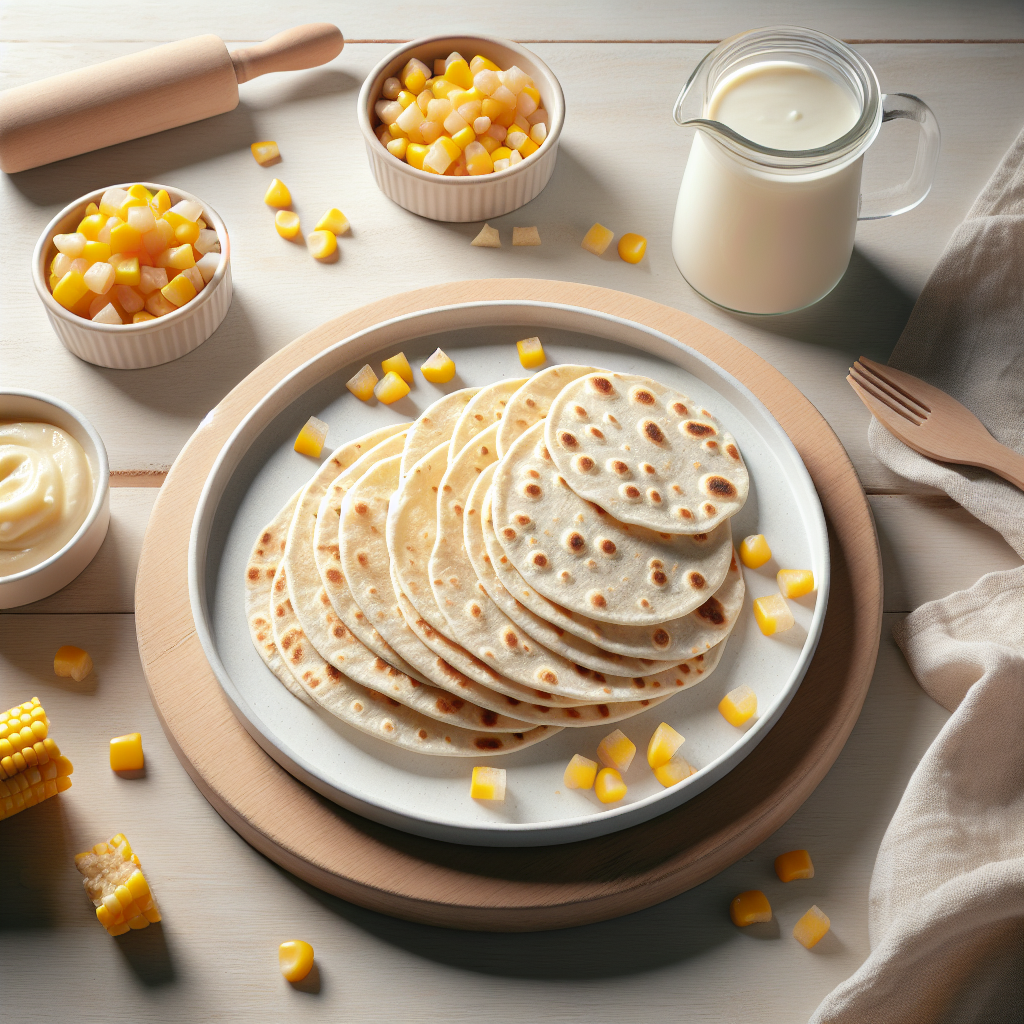
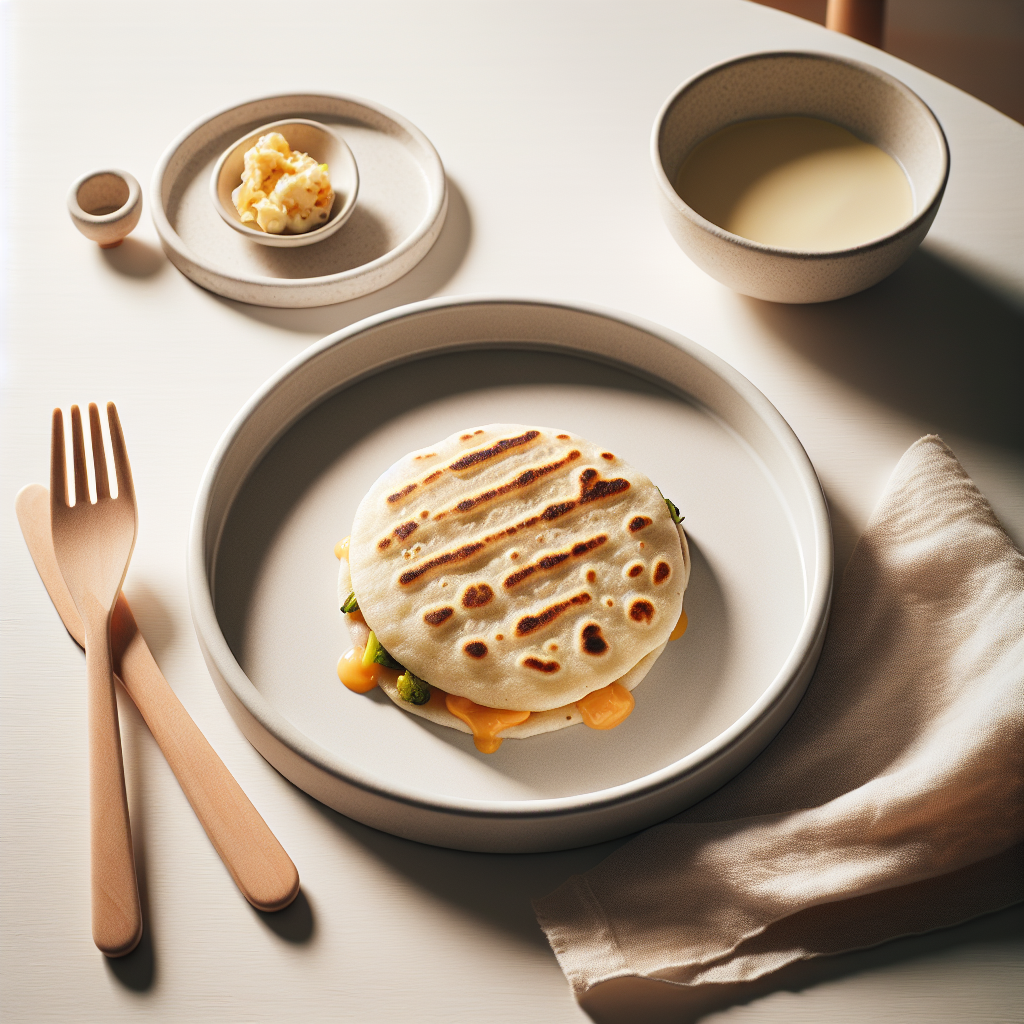
Soft corn tortillas can be introduced as soon as your baby is ready to start solid foods, which is typically around 6 months of age. They work well as a vehicle for other foods or as a soft finger food that babies can chew with their gums. Always ensure tortillas are soft and pliable, not dry or crispy, which could pose a choking risk.
Is Corn tortilla soft healthy for babies?
Corn tortillas provide carbohydrates for energy and contain small amounts of fibre, which supports healthy digestion. They also offer modest amounts of B vitamins and minerals like magnesium. While not particularly nutrient-dense on their own, they serve as a useful base for pairing with protein-rich foods, healthy fats, or vegetables to create balanced meals.
Lower-risk serving reminders
Soft corn tortillas have a low choking risk because they become soft and mashable when moistened, breaking down easily in the mouth. Their pliable texture allows babies to chew them with their gums without forming hard pieces that could block the airway.
Allergen introduction checklist
Corn tortillas are not considered a common allergen and are naturally free from wheat, making them a suitable option for babies with wheat sensitivities. However, always check ingredients lists, as some manufacturers may add wheat flour or process tortillas in facilities that handle common allergens.
General feeding checklist
Seat baby upright and stable for all meals.
Model slow chewing and allow baby to control pace.
Stop and reset if baby is upset, tired, or over-stuffed.
Readiness signs to check
Baby can sit upright with minimal support during meals.
Hands and mouth coordinate for bringing food to the mouth.
Tongue-thrust reflex is reduced, so food is not immediately pushed out.
Interest in self-feeding and opening mouth for food cues is visible.
Pause and seek advice if
Coughing is persistent or distress does not settle quickly during meals.
You notice repeated vomiting, rash, swelling, wheeze, or breathing changes after a food.
Baby struggles with swallowing progression over multiple meals despite texture adjustments.
There is a known medical condition affecting feeding, growth, or airway safety.
Warm a soft corn tortilla to make it pliable, then cut it into thick strips about the length and width of two adult fingers placed together. Spread the strips with a thin layer of mashed avocado, hummus, or full-fat yoghurt to add nutrition and make them easier to grip. Offer one or two strips at a time, ensuring the tortilla remains soft and bendy throughout the meal.
9–11 months
Continue offering soft corn tortilla strips, or begin cutting them into smaller pieces about the size of a large postage stamp as your baby develops their pincer grasp. You can also fold a soft tortilla around mashed beans, scrambled egg, or shredded chicken to create a simple wrap, cut into manageable pieces. Ensure the tortilla stays moist and pliable by warming it or pairing it with wet fillings.
12–24 months
At this age, toddlers can handle soft corn tortillas in various forms, including small quesadilla triangles, mini wraps, or torn pieces to dip into soups or sauces. You can also offer whole soft tacos filled with family foods like beans, vegetables, or shredded meat, allowing your toddler to self-feed with their hands. Continue to keep tortillas soft rather than crispy to minimise choking risk.
Common questions about Corn tortilla soft
Do I need to warm corn tortillas before serving them to my baby?
Yes, warming corn tortillas makes them softer and more pliable, which is easier for babies to chew and less likely to crack into hard pieces.
Can I serve corn tortillas plain to my baby?
You can, but corn tortillas are more nutritious and easier to handle when spread with mashed avocado, hummus, or nut butter, which also adds healthy fats and protein.
Are corn tortillas better than wheat tortillas for babies?
Neither is inherently better, though corn tortillas are naturally wheat-free and may be preferred for babies with wheat sensitivities. Both can be part of a varied diet when served soft.